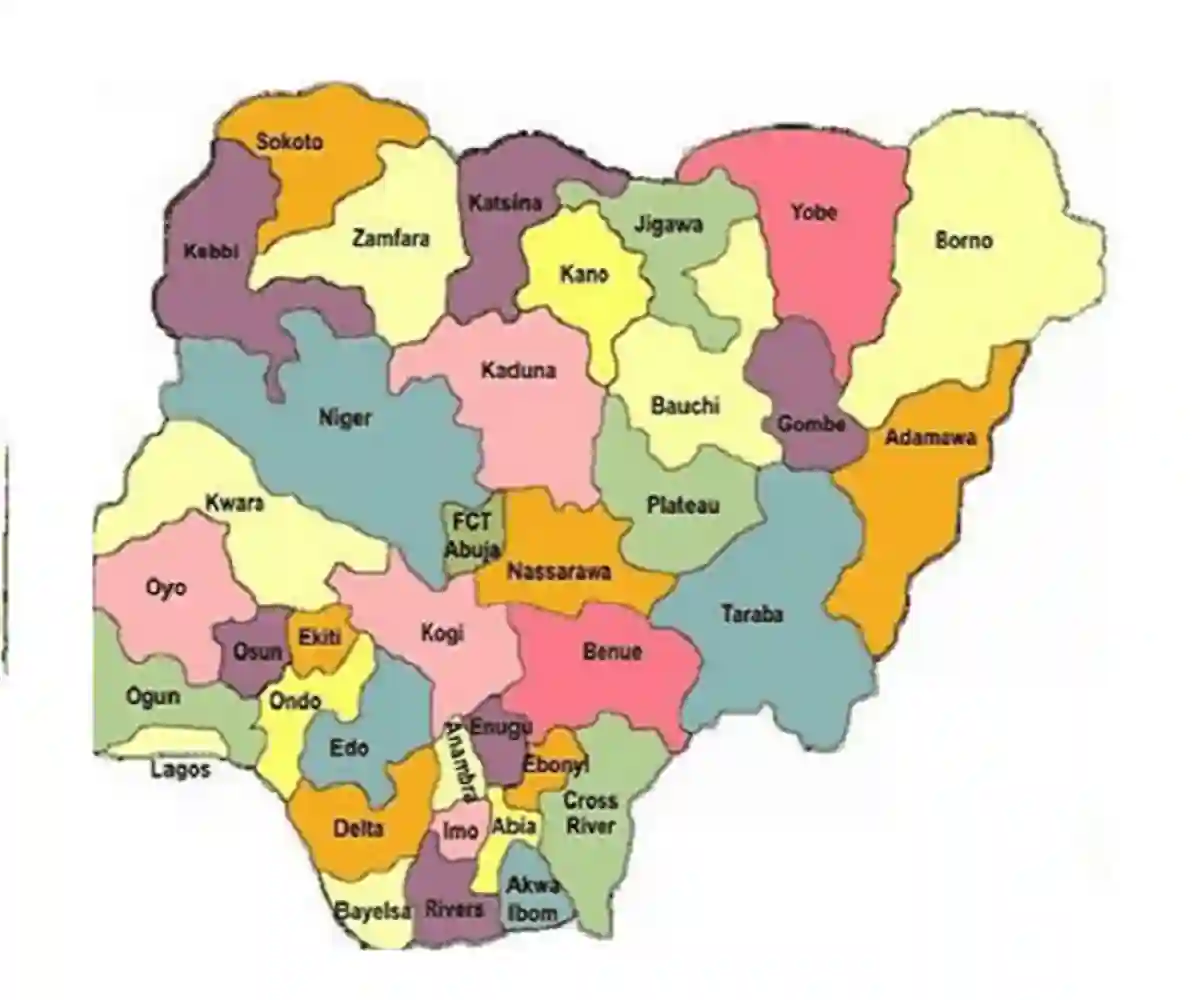
Rising cases of political conflicts and hardship in Nigeria can be attributed to several interconnected factors and most essential are
Ethnic and Religious Tensions: Nigeria is home to diverse ethnic and religious groups. Competition for resources and political power among these groups often leads to conflicts.
Corruption: Widespread corruption in government and institutions undermines trust and hampers development. This fuels discontent and contributes to political instability.
Economic Hardship: High unemployment rates, inflation, and poverty exacerbate social tensions. Many citizens feel marginalized, leading to increased frustration and conflict.
Insurgency and Terrorism: Groups like Boko Haram and other violent organizations have created significant security challenges, leading to displacement and further instability.
Weak Institutions: Ineffective governance and weak legal frameworks fail to address grievances and enforce the rule of law, resulting in a lack of accountability.
Resource Control Disputes: Struggles over oil wealth and resource allocation, particularly in the Niger Delta, often lead to violence and unrest.
Youth Disenfranchisement: A large youth population that feels excluded from political processes and economic opportunities can become a source of unrest.
Inadequate Political Leadership: A lack of visionary and accountable leadership can exacerbate existing issues and lead to public disillusionment.
Addressing these factors requires comprehensive reforms, including enhancing governance, promoting economic opportunities, and fostering national unity.
Leave a Reply