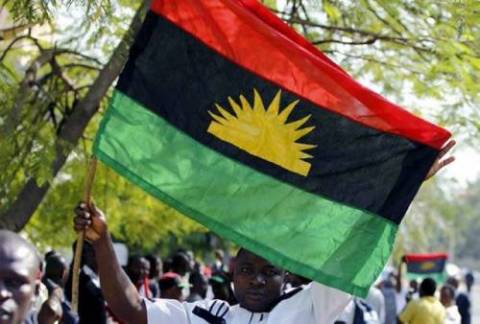
The Biafra War, also known as the Nigerian Civil War, took place from 1967 to 1970 and had several key causes that are still resonating till date after 50 years.
Ethnic Tensions: Nigeria is home to multiple ethnic groups, and tensions among the Igbos, Yorubas, and Hausas contributed to conflict. The Igbos felt marginalized and discriminated against by the federal government, which was dominated by the Northern political elite.
Political Discontent: Following Nigeria’s independence in 1960, politics became dominated by ethnic affiliations. Discontent grew among the Igbos over what they perceived as a lack of political representation and power sharing, especially after a series of military coups.
Economic Disparities: There were significant economic imbalances in the distribution of wealth and resources. The Eastern Region, predominantly Igbo, felt economically disadvantaged compared to the Northern and Western regions.
Violence and Massacre: The 1966 pogroms against Igbos in the North, where thousands were killed, heightened tensions and fears within the Igbo community. This violence contributed to the call for secession.
Declaration of Independence: In May 1967, the Eastern Region, led by Colonel Odumegwu Ojukwu, declared independence as the Republic of Biafra. This declaration was met with resistance from the Nigerian government, leading to war.
Military Government: The political instability caused by repeated coups created a power vacuum and increased bitterness among groups. The military’s role in governance often disregarded ethnic concerns, exacerbating tensions.
Cultural Identity: The Igbos sought to preserve their cultural identity and autonomy, which they felt was under threat from a centralized Nigerian government and policies that favored other ethnic groups.
Global Influences: Cold War dynamics played a role, as foreign nations became involved for strategic or economic reasons. The conflict caught international attention, influencing the war’s trajectory.
Access to Resources: The Eastern Region’s oil wealth was a significant factor in the conflict. Control over oil resources became a contentious issue, prompting military and political actions from the Nigerian government.
Failed Negotiations: Efforts for peaceful resolution and reconciliation were made but ultimately failed, leading to the escalation of military conflict.
These factors combined created a complex environment that ultimately led to the outbreak of the Biafran War, with significant and lasting impacts on Nigeria and its people till date.
Peace is priceless!
Leave a Reply