
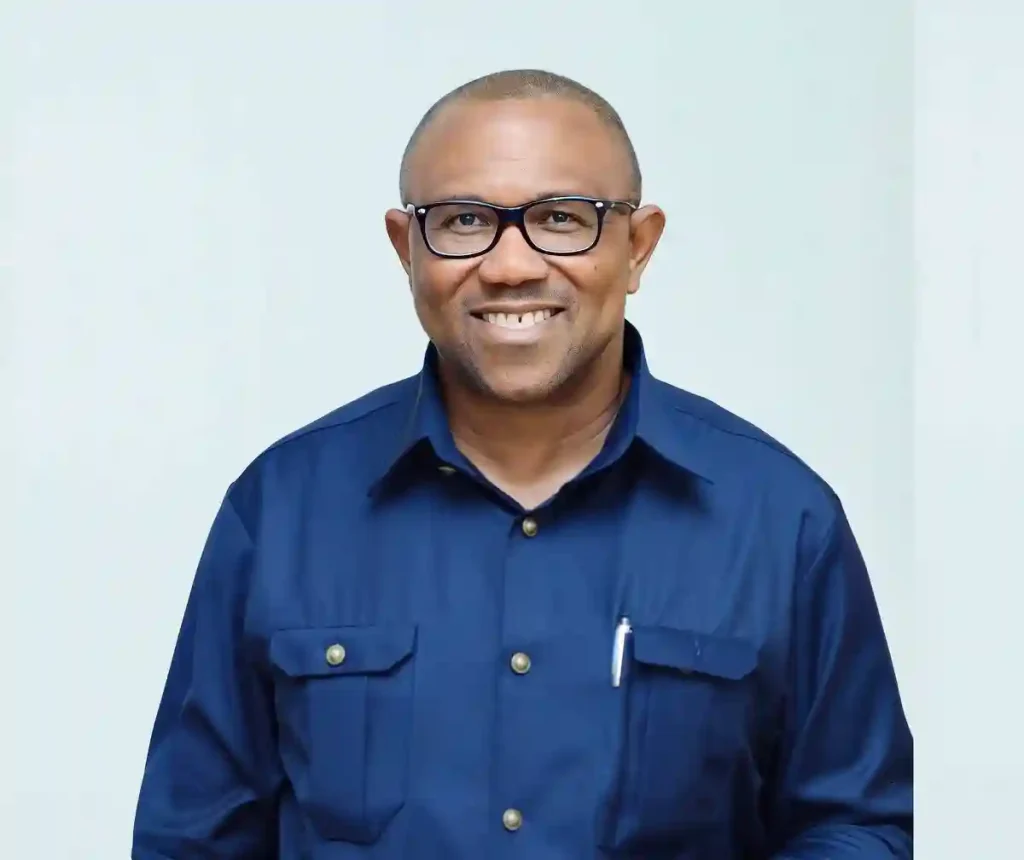
Former Presidential candidate, Peter Obi has called Nigerians to elect leaders who are competent and capable to resolve continuous power outage facing the country.
Obi said, Nigeria need leaders who have the vision to transform our nation from a consumer-driven economy to a productive one by investing our meager resources in critical areas of development like health and education, lifting our people out of poverty, and ensuring increased electricity production and distribution.
Once again, the troubling news has emerged that the National Grid has collapsed, leaving millions of Nigerians in the dark. This incident, now almost routine, highlights the stark contrast between Nigeria’s ongoing power struggles and the achievements of other nations.
Just days ago, on October 25, South Africa, which has recently overtaken Nigeria as Africa’s largest economy, celebrated seven months of uninterrupted power supply. With a population that is just a quarter of Nigeria’s, South Africa generates and distributes approximately 40,000 MW of electricity, while Nigeria barely manages to produce 10% of that capacity.
This disparity raises critical questions: Is there any tribe in Nigeria that enjoys the stability of uninterrupted power supply, akin to that of South Africa? When I pose such questions, I find myself labeled a tribal bigot. When I inquire whether any religion receives preferential treatment amid this crisis, accusations of religious bigotry follow. Yet, I am committed to speaking the truth about our shared plight.
The reality is that we are all enduring the repercussions of this systemic failure, and the solutions to our power crisis do not lie in tribal or religious divisions. Instead, they require visionary leadership and a collective commitment to progress.
It is imperative that we set aside our primordial sentiments and focus on electing leaders who are not only competent but also possess the vision to transform Nigeria from a consumer-driven economy to a productive one. This transformation will necessitate investing our limited resources in critical areas such as health and education, lifting our citizens out of poverty, and significantly increasing electricity production and distribution.
The time has come for us to unite in our demand for accountability and effective governance. Only through collective action and a focus on shared goals can we hope to resolve this ongoing crisis and build a brighter future for all Nigerians.
Leave a Reply