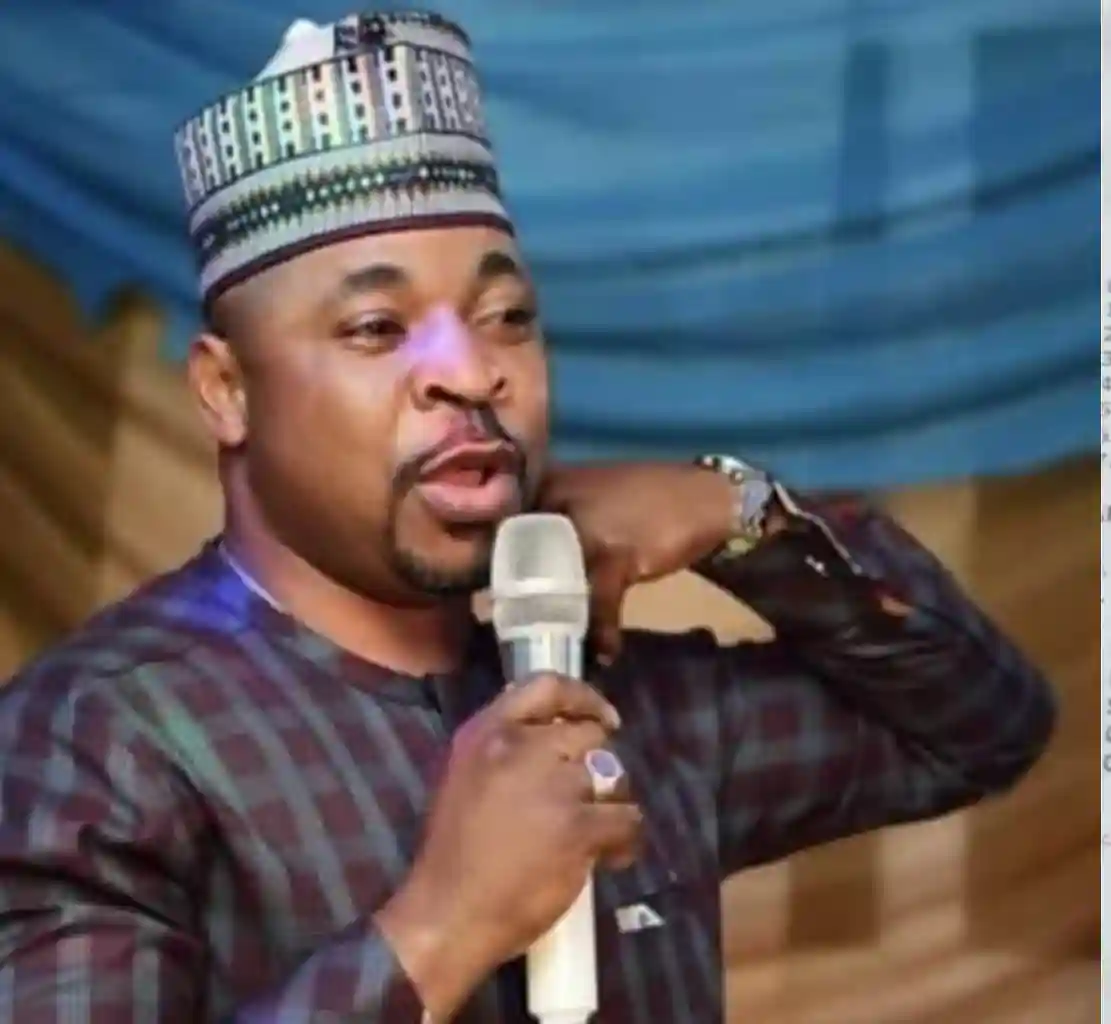
In a landmark ruling that has sent ripples through Nigeria’s transportation and political landscape, the Court of Appeal has upheld the election of Alhaji Musiliu Akinsanya Baruwa as the legitimate president of the National Union of Road Transport Workers (NURTW), declaring the election of his rival, MC Oluomo, null and void.
The Court’s Verdict
The Court of Appeal’s judgment came as a direct response to a legal challenge filed by Baruwa and his supporters, who contested the outcome of the NURTW presidential election in which MC Oluomo, a known ally of President Bola Ahmed Tinubu, was declared the winner. The Court found substantial grounds to invalidate Oluomo’s election, citing procedural irregularities and the failure to adhere to the union’s established electoral guidelines. As a result, Baruwa’s position as president of NURTW has been reaffirmed, with the court ruling that his election was legitimate.
The Implications for NURTW and Nigerian Politics
The ruling is not just a victory for Baruwa, but also a broader statement on the independence of the NURTW as a union and the integrity of its election processes. For Baruwa, it means a continued hold on one of the most influential positions within Nigeria’s informal sector, overseeing an estimated membership of over 200,000 transport workers nationwide.
The decision also has significant political undertones. MC Oluomo, widely known for his strong ties to President Tinubu, had been positioned by many as a proxy for the ruling government within the union.
His emergence as NURTW president was seen by some as a strategic move to solidify political control over the powerful transport workers, which could influence everything from local elections to national political dynamics. This court ruling, however, represents a setback for that political faction, signaling that the independence of labor unions remains a critical aspect of Nigeria’s democratic fabric.
MC Oluomo’s Allegiance with Tinubu
MC Oluomo’s political affiliations with President Bola Tinubu have been no secret. The former Lagos State governor, now Nigeria’s president, has maintained close ties with Oluomo, who is regarded as one of the most influential political figures in Lagos State.
Following his election as NURTW president, Oluomo publicly met with Tinubu, a move that many interpreted as an endorsement of his presidency within the union.However, despite these political alliances, the appeal court’s decision highlights the importance of due process within Nigerian labor unions, irrespective of political leanings.
The judgment comes at a time when unions like the NURTW wield significant political power, especially in states like Lagos, where they play a major role in influencing electoral outcomes and governance.
The Path Forward for NURTW
With the court ruling now in Baruwa’s favor, the immediate task for the union will be to stabilize and heal from the internal divisions that have marked the leadership contest. The NURTW, under Baruwa’s leadership, will need to focus on addressing the pressing challenges facing the union, including the welfare of its members, the regulation of the transport sector, and mitigating potential conflicts with rival factions.
On the political front, Baruwa’s victory raises questions about the future dynamics between the union leadership and government structures at the state and federal levels. The NURTW’s influence, particularly in Lagos, could play a critical role in shaping the success or failure of political agendas in the years to come.
The Court of Appeal’s decision to uphold Alhaji Musiliu Akinsanya Baruwa’s presidency of the NURTW is a landmark ruling that underscores the importance of due process and the rule of law within Nigerian unions. While the ruling is a setback for MC Oluomo and his supporters, it serves as a reminder of the delicate balance between labor union autonomy and political influence.
Leave a Reply