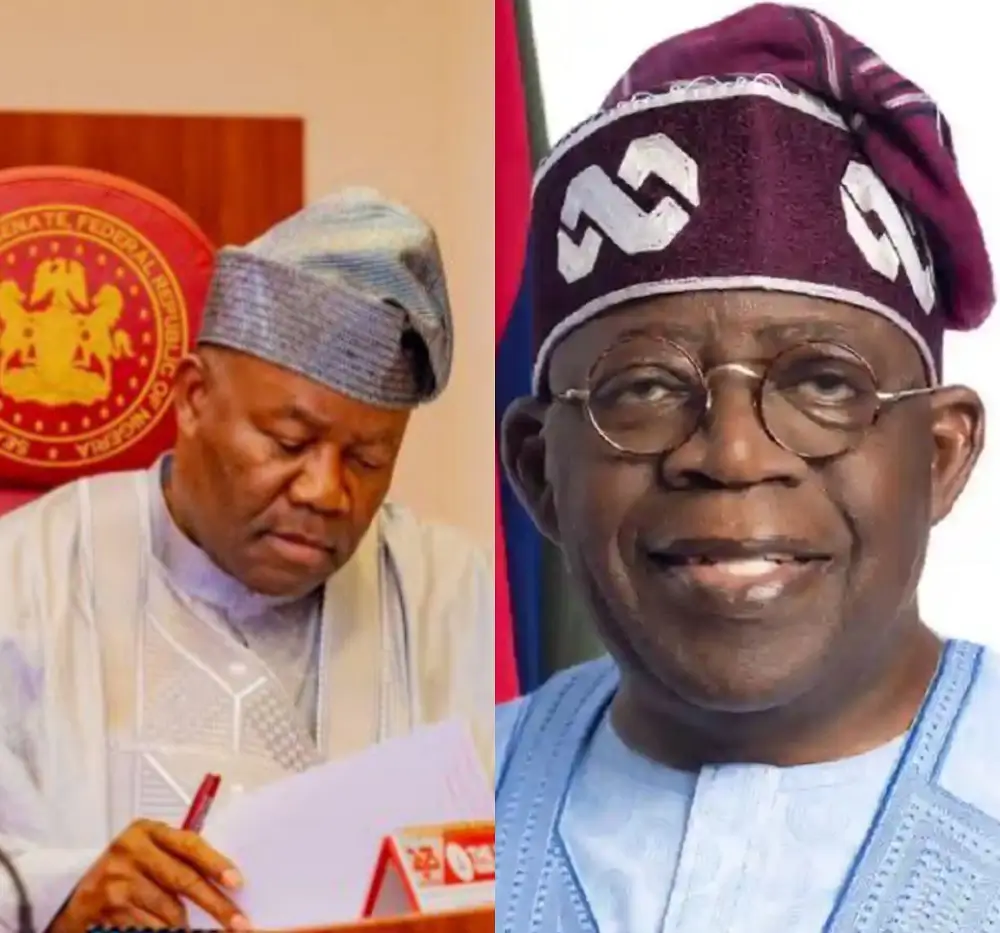
Nigeria’s President, Bola Tinubu has formally submitted a request to the Senate for approval to borrow N1.76 trillion, equivalent to approximately $2.209 billion at the budgeted exchange rate of USD1.00/N800. This proposal is part of the 2024 Appropriation Act and raises important questions about the nation’s debt profile and fiscal strategy.
President Tinubu’s request is grounded in the provisions of the Debt Management Office (DMO) (Establishment, Etc.) Act of 2003, specifically Sections 21(1) and 27(1). These sections govern the borrowing activities of the federal government, emphasizing the need for legislative approval for external loans. The President’s move has already garnered the endorsement of the Federal Executive Council, which underscores its significance within the current administration’s economic planning.
This proposed borrowing will contribute to Nigeria’s already substantial debt profile, which has been a contentious issue among economists and policymakers. As of recent reports, Nigeria’s total debt is estimated to be over N50 trillion. Critics argue that increasing the debt burden could lead to unsustainable financial practices, potentially straining future budgets and limiting funds available for critical social services.
The request comes at a time when Nigeria is grappling with multiple economic challenges, including rising inflation, currency devaluation, and a pressing need for infrastructure development. The government’s justification for this new borrowing likely hinges on the anticipated returns from investments in key sectors, such as infrastructure and healthcare, which are expected to stimulate economic growth and improve the quality of life for Nigerians.
The proposal is likely to stir diverse reactions from the public and political spheres. While some may view it as a necessary step towards funding vital projects, others might express concern over fiscal irresponsibility. The Senate’s approval will hinge not only on the economic rationale presented but also on the broader political climate and the sentiments of the Nigerian populace regarding debt management.
As President Tinubu seeks the Senate’s endorsement for this substantial borrowing, the implications of such a decision will be closely monitored. The outcome could redefine Nigeria’s economic trajectory in the years to come, influencing everything from infrastructure development to public services. Stakeholders, including citizens and lawmakers, will need to engage in informed discussions about the balance between necessary investments and the sustainability of national debt.
This request marks a pivotal moment for Nigeria, underscoring the intricate relationship between government policy, economic stability, and public trust. As the situation develops, it will be essential to keep a close eye on how this borrowing will be managed and its impact on Nigeria’s future.
Leave a Reply