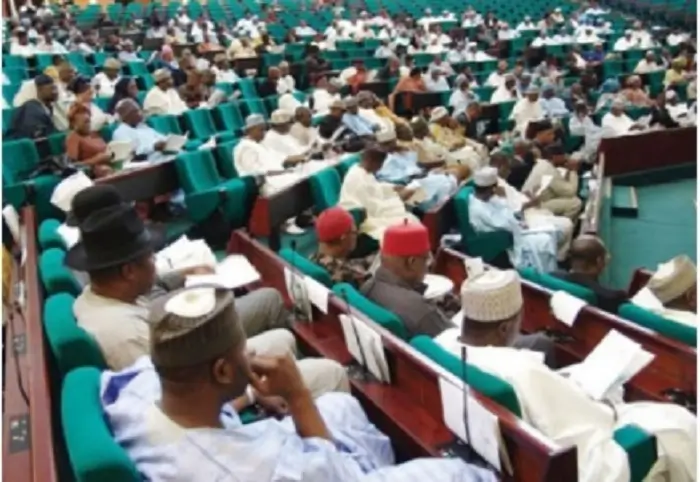
The House of Representatives has rejected a significant bill that proposed reducing the tenure of the president and governors to a single six-year term. Sponsored by Ikenga Ugochinyere alongside 33 other lawmakers, the bill was debated on Thursday, ultimately leading to its dismissal by a vocal majority.
The proposed legislation aimed to amend the 1999 Constitution, a move that sought not only to shorten the terms of the highest offices in the land but also to introduce several critical reforms intended to enhance the democratic process. Among its key proposals were the implementation of zonal rotation for presidential and gubernatorial positions and the synchronization of election dates across the country.
One of the central tenets of the bill was its aim to foster inclusive governance. By reducing the tenure to six years, proponents argued that it would allow for more frequent opportunities for new leadership and fresh perspectives in governance. This change was also intended to address the inefficiencies and financial wastage associated with the current four-year electoral cycles, which often lead to prolonged campaigns and political maneuvering.
In addition to term reductions, the bill sought to amend Section 76 of the Principal Act. A proposed new Sub-section (3) read as follows:
“(3) For the Purposes of Section (1) of this section, all elections into the offices of President, Governors, National Assembly and State Houses of Assembly shall hold simultaneously on the same date to be determined by the Independent National Electoral Commission in consultation with the National Assembly and in accordance with the Electoral Act.”
This amendment aimed to streamline the electoral process, ensuring that voters could participate in a more coordinated and efficient manner, thereby strengthening democratic engagement.
During the plenary session, the Speaker conducted a voice vote on the bill. However, those opposing the measure were notably more vocal, leading to its rejection. This outcome reflects a broader sentiment within the legislature, where many lawmakers may feel that the current system, despite its flaws, offers a level of stability that could be disrupted by such significant changes.
The rejection of this bill highlights the ongoing debate in Nigeria regarding electoral reform and governance. While advocates argue for necessary changes to enhance democracy and accountability, opponents often raise concerns about the implications of such reforms on political stability and the existing power dynamics.
Leave a Reply