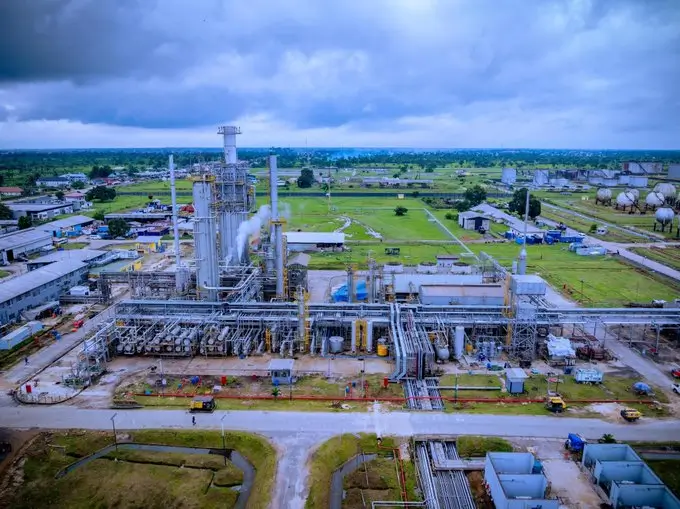
Insiders within the Nigerian National Petroleum Company Limited (NNPCL) have exposed what they claim is a misleading narrative surrounding the so-called Port Harcourt Refinery begins operations.
Despite NNPCL’s recent announcement that the refinery had resumed operations and was trucking out Premium Motor Spirit (PMS) = commonly known as petrol – sources close to the refinery have revealed that these claims are far from true.
The Truth Behind the Claims
According to multiple top sources familiar with NNPCL’s operations, the refinery is not producing petrol as the company has asserted. Instead, NNPCL is allegedly purchasing Cracked C5 petroleum resins from Indorama Eleme Petrochemicals in Port Harcourt and blending it with other products like Naphtha to sell to the public, passing it off as petrol produced from the refinery.
One source, who wished to remain anonymous, confirmed the deception, saying, “If you hear they are trucking out PMS from the depot, know it is a lie. They bought Crack C5 from Indorama and blended it with Naphtha to sell to the public.”
This allegation raises serious concerns about the transparency and integrity of the NNPCL, an entity entrusted with managing Nigeria’s oil and gas sector.
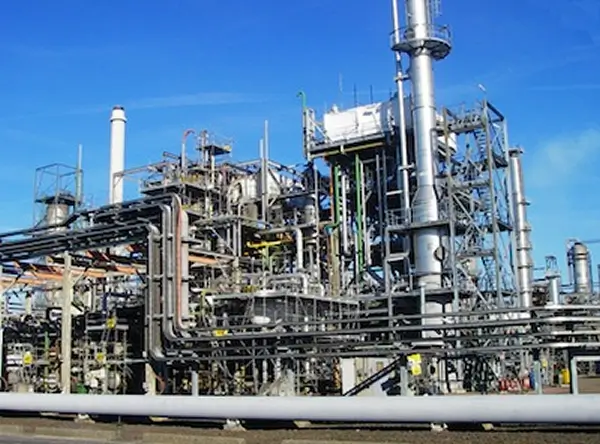
On Tuesday 26 November, NNPCL issued a statement accompanied by videos showing trucks branded with NNPCL logos, suggesting that they were transporting petroleum products from the Port Harcourt Refinery. The statement proudly declared that the refinery had resumed operations and was now supplying products, including PMS, to the Nigerian market. The company even described the event as a “monumental achievement” marking a new era of energy independence for the country.
However, SaharaReporters has reliably learned that the refinery in question is the old Port Harcourt Refinery, built in 1965, with a maximum capacity of only 60,000 barrels per day. This outdated facility is capable of producing only diesel, not petrol. The new refinery, with a far larger capacity of 150,000 barrels per day, is still years away from completion — insiders estimate that it could be ready as late as 2026.
The NNPCL’s claims about the operational status of the Port Harcourt Refinery are part of a larger narrative that seems designed to mislead the public. The refinery, in its current state, cannot produce the amount of petrol needed to meet national demand, especially given the ongoing fuel crisis in Nigeria.
A senior source familiar with the refinery’s operations revealed, “When they say the Port Harcourt refinery is coming on stream, they’re talking about the old one, which we’ve been battling with for months. The new refinery is far from ready, and when it is eventually commissioned, it will have little impact because it won’t significantly address the country’s fuel supply challenges.”
Fuel Shortages and National Impact
The implications of these revelations are far-reaching. As Nigeria continues to struggle with fuel shortages and skyrocketing petrol prices, the public deserves to know the truth about the country’s refining capacity. The failure to deliver on promises made by the NNPCL only exacerbates the energy crisis and deepens distrust in government promises.
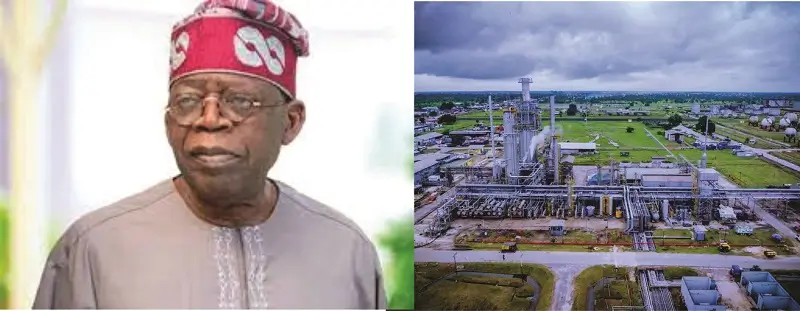
The blending of Cracked C5 petroleum resins and Naphtha as a substitute for actual refined petrol may offer a temporary fix, but it does not solve the larger issues of refinery capacity, maintenance, and long-term fuel production in the country. Until the new refinery is completed and functional, Nigeria’s fuel woes are unlikely to end.
The NNPCL’s deceptive statements about the Port Harcourt Refinery raise critical questions about the integrity and transparency of the company. As Nigerians continue to face fuel shortages and high petrol prices, it is essential that the government and its agencies, such as NNPCL, be held accountable for their actions and promises.
The truth must come to light: is Nigeria truly on the path to energy independence, or is it merely being misled by those in power?
Leave a Reply