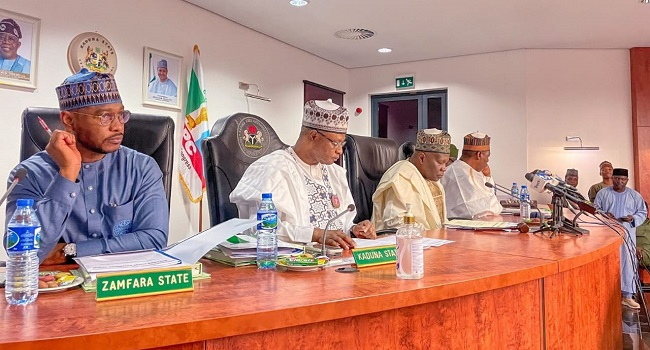
The proposed tax reform bill presented by President Bola Ahmed Tinubu’s administration has sparked significant debate across Nigeria. While the bill aims to overhaul the country’s tax system, introduce new revenue-generating measures, and improve fiscal sustainability, it has encountered strong resistance from several northern governors and stakeholders.
These leaders have expressed concerns over various aspects of the bill, leading to calls for its reconsideration and further consultation.
Felix Omoko highlighted the key reasons why northern governors and stakeholders are rejecting the tax reform bill.
1. Economic Hardship and Inflation Concerns
One of the primary reasons for the opposition is the potential for the tax reforms to exacerbate existing economic hardships. Many northern stakeholders fear that the proposed tax increases could drive inflation higher, especially considering the region’s reliance on agriculture and small-scale industries. With rising costs of goods and services, there are concerns that additional tax burdens will strain already vulnerable households.
2. Impact on Small and Medium Enterprises (SMEs)
The northern region is home to a large number of small and medium-sized businesses that are the backbone of the local economy. The tax reform bill proposes measures that some argue could increase the tax burden on these enterprises, making it harder for them to thrive. Many stakeholders worry that these businesses, which are already struggling with high operational costs and limited access to financing, could face additional pressure under the new tax regime.
3. Lack of Adequate Consultation
Several northern governors have raised concerns about the lack of consultation and input from local leaders and stakeholders during the development of the tax reform bill. They argue that the government should have engaged more thoroughly with state and local leaders to understand the specific challenges and needs of the northern region before rolling out such a comprehensive tax reform. This perceived oversight has contributed to the rejection.
4. Increased Poverty and Unemployment
Northern Nigeria, which has higher poverty rates compared to other regions, is particularly sensitive to economic reforms that might lead to job losses or increased poverty. Stakeholders in the region fear that the tax reform could inadvertently lead to further unemployment, particularly in sectors that are already struggling to recover, such as agriculture, manufacturing, and trade. The worry is that higher taxes could discourage investment and job creation in these critical sectors.
5. Concerns Over the Progressivity of the Tax System
There are concerns that the tax reform bill does not sufficiently address the issue of tax equity across the country. Many stakeholders feel that the burden of the new tax policies will disproportionately affect the northern region, which has a relatively lower level of industrialization and fewer high-income earners compared to the southern region. This perceived imbalance has contributed to calls for a more progressive and regionally sensitive tax policy.
6. Over-reliance on Taxation for Revenue Generation
While the reform bill aims to diversify Nigeria’s revenue base, northern governors argue that it places too much emphasis on taxation without adequately addressing other sources of revenue, such as oil and gas or agricultural production. The northern region, where agriculture is the primary economic activity, believes that the government should also focus on creating a more conducive environment for agricultural growth and export, which could generate substantial revenue without placing additional burdens on the people.
7. Impact on Rural Communities
The northern region is largely rural, and many of its inhabitants rely on subsistence farming and informal sectors to make a living. The tax reform bill proposes changes that could directly affect these groups, many of whom do not have formal documentation or are not part of the traditional tax base. There are concerns that rural communities could face undue pressure from new tax measures, especially if the tax system is not tailored to the realities of their economic activities.
8. Fear of Increased Government Overreach
Some northern governors and stakeholders are concerned that the tax reforms could lead to increased government intervention in local economies. The proposed measures to centralize tax collection and enforcement could be viewed as an overreach by the federal government, undermining the autonomy of state governments and local authorities. The fear is that this could lead to more centralized control over resources, reducing the ability of northern states to manage their own economic affairs.
9. Doubts About Effective Implementation
Another key concern is the capacity of the Nigerian government to effectively implement the proposed tax reforms. Many northern stakeholders are skeptical about the government’s ability to enforce the new tax laws without creating additional bureaucracy or inefficiencies. There are concerns that the reform could lead to increased corruption, harassment of taxpayers, and a lack of accountability in the implementation of the policy, which could undermine the intended benefits.
10. Regional Disparities in Development
Finally, northern governors and stakeholders are concerned that the new tax reforms will further exacerbate regional disparities in Nigeria’s development. While the south, particularly the commercial hubs like Lagos and Port Harcourt, may benefit from the tax policies, the northern region may see fewer benefits due to its economic structure. The fear is that the tax reforms may lead to a situation where the southern region continues to dominate economically, while the northern region struggles to catch up.
A Call for More Dialogue and Adjustment
The rejection of President Tinubu’s tax reform bill by northern governors and stakeholders highlights the need for greater dialogue, consultation, and adjustments to ensure that the proposed changes address the unique needs of all regions of Nigeria.
While the reform aims to modernize the tax system and generate revenue for national development, it is clear that stakeholders in the northern region seek a more inclusive and regionally balanced approach.
It will be essential for the federal government to engage with regional leaders to find common ground and ensure that the tax reform achieves its objectives without exacerbating existing regional challenges.
Leave a Reply