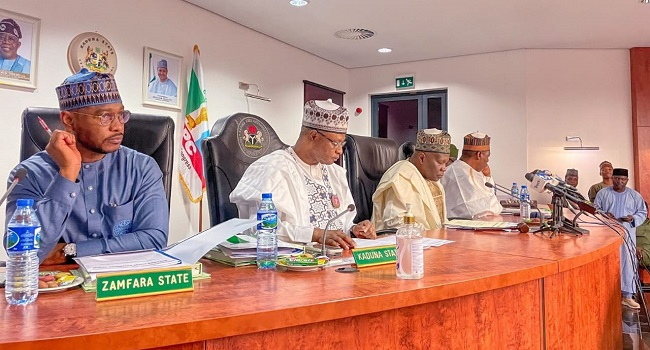
Northern leaders, particularly state governors, have raised alarm over the potential economic and governance challenges posed by the proposed Tax Reform Bill currently under consideration.
The leaders have appealed to President Bola Tinubu to allow for further consultations before pushing the bill through, emphasizing that rushing the reform could severely affect Nigeria’s already fragile economy, particularly at the state and local government levels.
The bill, which is intended to overhaul Nigeria’s tax system, has been met with strong opposition from the northern region, where concerns have been raised about its potential to worsen economic disparities. According to these leaders, the proposed changes – especially the new Value Added Tax (VAT) allocation structure – could create significant governance challenges and undermine economic stability across various regions, particularly in the North.
Northern governors, in their critique of the proposed bill, have pointed out that the 60% VAT allocation based on derivation, as outlined in the reform, would predominantly benefit economically prosperous states like Lagos and Rivers. These states, with their large economic outputs, are set to receive the bulk of the VAT revenues, leaving less developed regions – especially in the North – at a severe disadvantage.
Governors have highlighted that such a tax regime could deepen existing regional inequalities, making it more difficult for northern states to generate the resources needed for governance and development. They fear that the bill could further widen the gap between the economic powerhouses in the south and the less economically active states in the north, resulting in financial strain for local governments and affecting critical services for the people.
Governance and Development at Risk
Beyond economic implications, northern leaders have also expressed concerns about the impact on governance at the state and local government levels. The governors have argued that the new tax structure could hinder the capacity of state governments to fund vital public services and infrastructure projects.
Many local governments in the North, which are already struggling with limited financial resources, could be left even more vulnerable under the new tax distribution model.
The leaders have called for a more inclusive approach to the reform process, urging President Tinubu to allow more time for in-depth consultations with all stakeholders across the country. They argue that any significant tax reform should consider the diverse needs of the various regions in Nigeria and should not be rushed without thorough discussions on the potential long-term consequences for governance and the economy.
While President Tinubu has the executive power to implement the tax reforms, the northern leaders have stressed that the success of the reform will depend on its ability to create a fair and equitable system that serves the interests of all Nigerians, regardless of their region. They have called for the federal government to pause the bill and engage in more comprehensive discussions to address the concerns of northern states, ensuring that the tax policy does not inadvertently harm the country’s economy or governance structures.
The northern governors and other leaders have warned that if the Tax Reform Bill proceeds without further consultation and adjustment, it could exacerbate existing economic and governance challenges in northern Nigeria.
They are hopeful that President Tinubu will heed their calls for more dialogue to ensure that any reforms implemented are beneficial for the entire nation, taking into account the economic realities and governance needs of all regions. #Politics
Leave a Reply