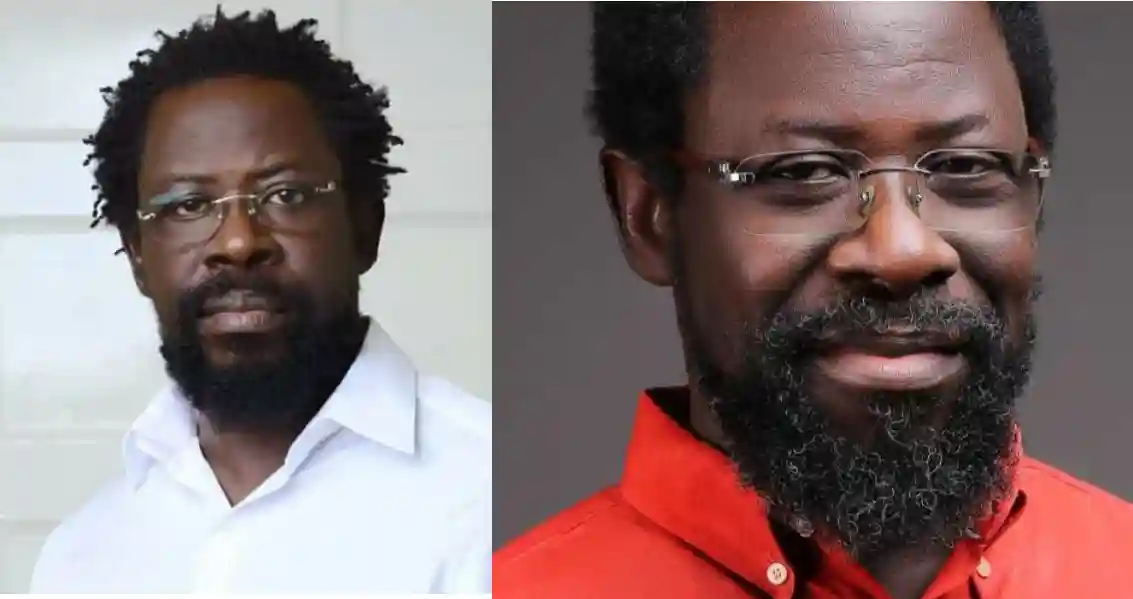
Dele Farotimi, a well-known human rights lawyer based in Lagos, Nigeria, was arrested yesterday under controversial circumstances that have sparked widespread public outcry. Known for his fearless advocacy and outspoken views on human rights, Farotimi’s arrest has raised serious questions about the state of free speech, the role of the Nigerian Police Force, and the ongoing struggle for justice in the country.
Dele Farotimi is a prominent lawyer renowned for his strong stance on human rights, political transparency, and social justice in Nigeria. He is often vocal on matters concerning governance, accountability, and the rights of ordinary Nigerians. Farotimi has also been critical of various government actions, which has made him a target of those in power who view his words as potentially disruptive.
In addition to his legal practice, Farotimi has been involved in public debates on various issues, including corruption, social inequality, and Nigeria’s economic decline. His writings and public statements often challenge the status quo and call for systemic reforms in both political and legal spheres. This activism, however, has occasionally put him at odds with powerful figures in Nigerian society.
The recent arrest of Farotimi stems from a defamation lawsuit linked to a petition that allegedly originated from Chief Afe Babalola, SAN, a prominent Nigerian lawyer, academic, and philanthropist. The details of the petition remain somewhat unclear, but it is reported that the allegations against Farotimi center around statements he made in relation to Chief Babalola.
Farotimi had previously made public comments that were critical of certain individuals in Nigeria’s elite class, including prominent figures in the legal profession. These statements, particularly in the context of his involvement in various public affairs, were seen as damaging by those who felt targeted by his words. Chief Afe Babalola, in particular, is said to have been offended by these remarks, which allegedly led to the initiation of the petition.
Farotimi himself had expressed fears in the past about being silenced through legal and extrajudicial means. In the lead-up to his arrest, he had indicated that he was being targeted by powerful interests who sought to undermine his work and his freedom of speech. His arrest, therefore, has raised alarm among human rights activists, legal experts, and the general public who view it as part of a broader attempt to stifle dissent and suppress critical voices.
The Arrest and Reactions from Activists
On the day of Farotimi’s arrest, there was widespread condemnation from civil society groups, activists, and legal professionals across Nigeria. Many saw the action as a deliberate attempt to intimidate Farotimi and other outspoken critics of the Nigerian government and its powerful elites.
Human rights activists have described the arrest as an abuse of power, with several calling attention to the increasing use of legal measures to target individuals who criticize or challenge the status quo. Critics argue that the arrest is an example of how political and economic elites in Nigeria are willing to use the legal system to silence individuals who raise inconvenient truths or expose corruption.
Dele Farotimi’s arrest has also drawn attention to the issue of freedom of speech in Nigeria. While the country’s constitution guarantees the right to free speech, in practice, many Nigerians, particularly those who are critical of the government or powerful figures, face harassment, legal battles, or worse. In a country where dissent is often met with repression, Farotimi’s case represents the broader challenge of protecting human rights and freedoms in the face of political pressure.
The Nigerian Police Force confirmed the arrest of Dele Farotimi, but details regarding the specific reasons behind the arrest have yet to be fully disclosed. Police authorities have been reluctant to provide further information about the justification for the actions taken against him, fueling further speculation and concern among his supporters.
Human rights organizations, both in Nigeria and internationally, have called for the immediate release of Farotimi, citing concerns that his arrest is part of a broader pattern of harassment against Nigerian activists and lawyers who are seen as critical of the government or powerful business elites. In many cases, such arrests have led to prolonged detention without trial, raising alarm about the erosion of due process in the country.
Dele Farotimi’s arrest is a stark reminder of the fragile state of free speech in Nigeria. Over the years, there has been growing concern about the shrinking space for dissent in the country. Activists and opposition figures have faced increasing pressure, including arbitrary arrests, intimidation, and the use of legal means to suppress their voices.
The arrest has highlighted the role of the judiciary and the legal profession in protecting the rights of individuals, especially those who challenge powerful figures. It also raises questions about the ability of the Nigerian Police Force to remain impartial in the face of political and economic pressure.
For many, Farotimi’s arrest serves as a call to action for Nigeria’s civil society to remain vigilant in the fight for justice and human rights. As more Nigerians join the conversation about the case, it is clear that Farotimi’s arrest is not just about a defamation petition, but about the broader struggle for accountability, transparency, and the protection of fundamental freedoms.
The arrest of Dele Farotimi is a troubling development in the ongoing battle for human rights and freedom of expression in Nigeria. As a prominent lawyer and outspoken critic of the Nigerian political and legal elite, Farotimi has become a symbol of the challenges faced by those who dare to speak truth to power in a country where dissent is often met with retribution.
While the exact reasons behind Farotimi’s arrest remain unclear, the reaction from activists, legal professionals, and the general public suggests that the case is about more than just defamation—it is about the larger struggle to protect the right to free speech, the independence of the judiciary, and the integrity of Nigeria’s legal system.
Leave a Reply