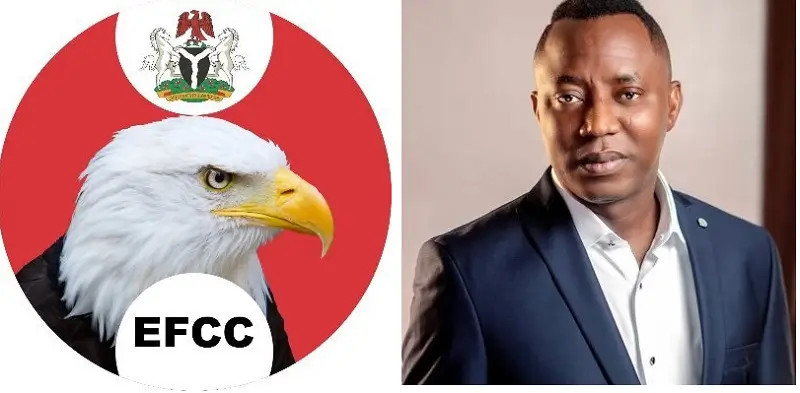
Omoyele Sowore, a Nigerian activist and publisher, has publicly rebuked the Economic and Financial Crimes Commission (EFCC) for its handling of a high-profile court case involving the recovery of significant assets in Abuja linked to former Central Bank of Nigeria (CBN) Governor, Godwin Emefiele.
According to Sowore, the EFCC’s refusal to publicly acknowledge Emefiele’s involvement in the case represents a deliberate attempt to cover up his alleged role in a real estate fraud scandal, despite the fact that Emefiele’s name was clearly mentioned in court proceedings.
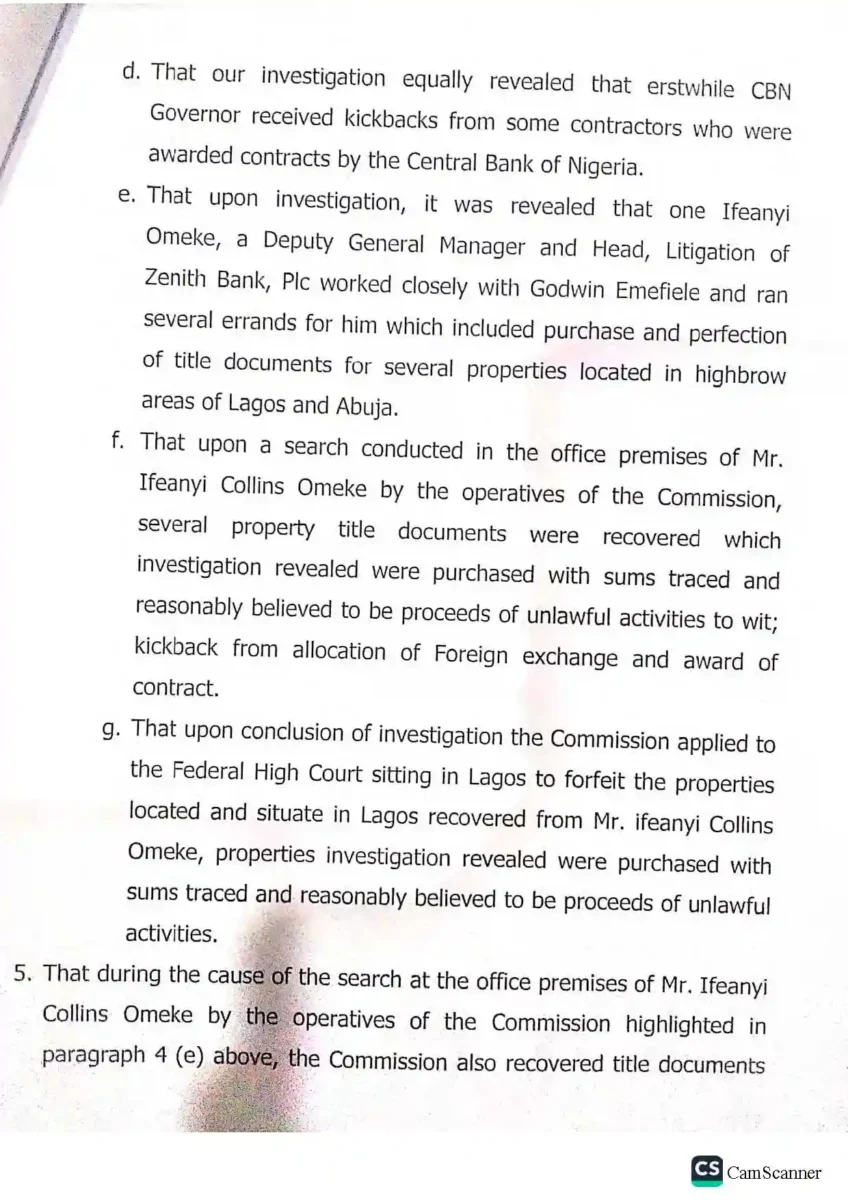
The case centers around the recovery of large assets located in Abuja, which the EFCC claims are linked to Godwin Emefiele. The court proceedings and an affidavit sworn to by an EFCC investigator suggest that the assets in question were part of a larger real estate fraud orchestrated by a network of individuals, including high-ranking officials. According to the affidavit obtained by Sowore, Emefiele was named as one of the key figures in this fraudulent scheme.
Despite the clear references to Emefiele’s involvement in the court documents, the EFCC has seemingly taken steps to obscure his identity and role in the scandal from the public eye. This has led to widespread speculation about the EFCC’s motives, with critics alleging that the agency is deliberately withholding information to protect Emefiele from public scrutiny.
Sowore’s Strong Criticism of the EFCC
Omoyele Sowore, who has been an outspoken critic of the Nigerian government and its institutions, did not hold back in his criticism of the EFCC’s actions. In a scathing statement, Sowore accused the anti-corruption agency of issuing a “reckless and irresponsible” public statement regarding the case. He expressed disbelief over the agency’s assertion that it was not yet in a position to disclose the identity of individuals involved in the fraudulent scheme.
Sowore’s statement reads:
“This is the most reckless and irresponsible statement I’ve read from a government agency in a long while. The assertions here are also patently irresponsible. I have obtained court proceedings and an affidavit sworn to by an EFCC investigator who named the names of those behind this real estate fraud. I maintain that referring to the person Godwin Emefiele smacks of an attempt to cover up his misdeeds and those of his collaborators.”
Sowore’s response highlights the contradiction between the EFCC’s actions and the publicly available court documents. According to Sowore, the EFCC’s reluctance to openly name Emefiele is a deliberate attempt to protect the former CBN Governor, who has already been implicated in several investigations related to financial misconduct.
The activist also questioned the credibility of the EFCC, accusing the agency of acting in bad faith and undermining its own mission to fight corruption. He pointed out that the court documents explicitly named Emefiele as a central figure in the asset recovery case, making the EFCC’s failure to disclose this information all the more troubling.
Sowore, known for his staunch advocacy for transparency and accountability, has pledged to make the court documents public in order to expose what he describes as the EFCC’s “disservice” to the Nigerian people. By sharing the court proceedings and the sworn affidavit with the public, Sowore aims to hold the EFCC accountable for its actions and ensure that Nigerians are fully informed about the involvement of high-profile individuals in corruption scandals.
“I will attach some court documents here so the public can see the EFCC’s disservice in this matter,” Sowore added, emphasizing his commitment to bringing the truth to light.
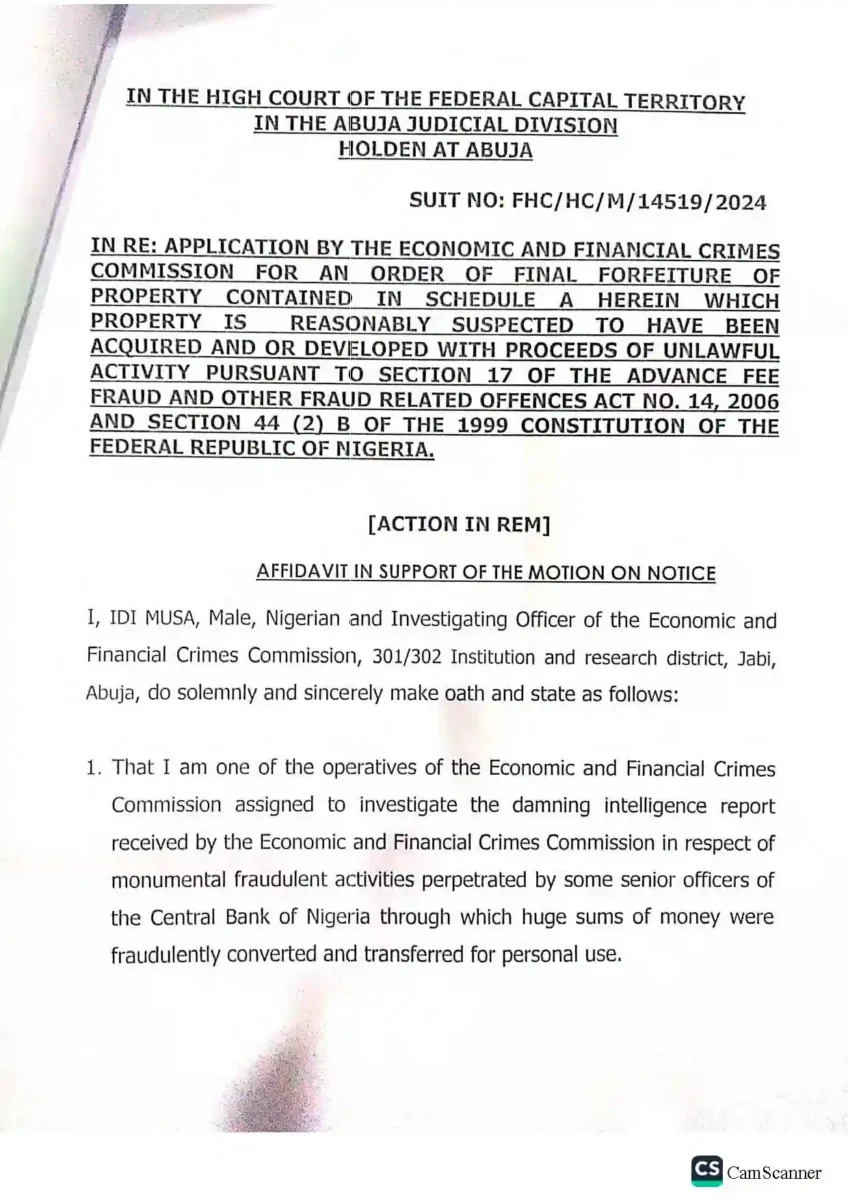
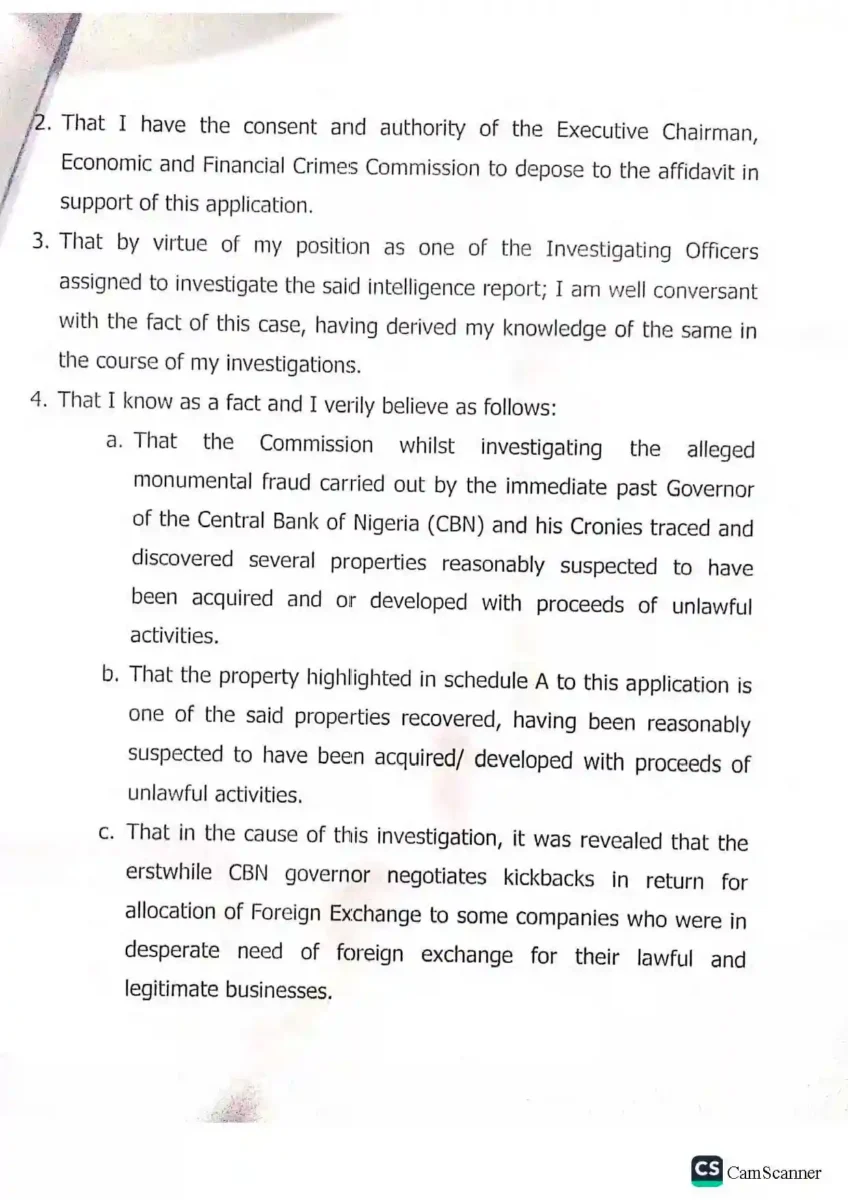
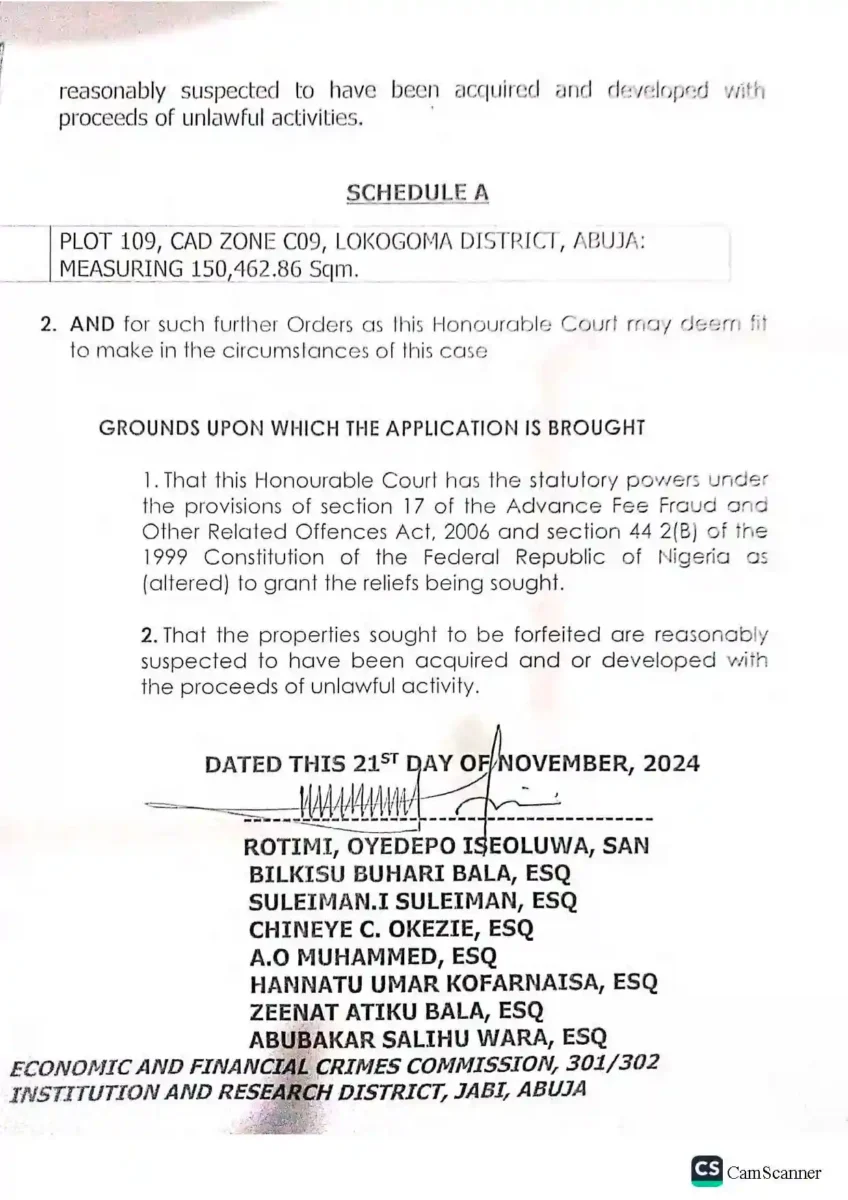
In making these documents public, Sowore hopes to shed light on the EFCC’s handling of the case and ensure that justice is served, regardless of the influence or power of those implicated in the fraud. He has called on Nigerians to demand greater transparency and accountability from government agencies tasked with addressing corruption.
The Broader Implications for the EFCC and Nigerian Politics
Sowore’s comments come at a time when the EFCC has faced increasing scrutiny over its role in tackling corruption in Nigeria. While the agency has been lauded for its high-profile arrests and investigations, it has also been criticized for inconsistencies in its approach to certain cases, particularly when powerful political and business figures are involved. Critics argue that the EFCC often appears to shield influential individuals from prosecution, leading to suspicions of selective justice.
In the case of Godwin Emefiele, the public’s expectations were high that the EFCC would pursue a thorough and transparent investigation into his alleged financial misconduct, especially considering his position as a former head of Nigeria’s central bank. However, the agency’s failure to publicly acknowledge Emefiele’s involvement in the asset recovery case has raised concerns about its commitment to fairness and transparency.
Sowore’s outspoken stance is likely to keep the pressure on the EFCC, urging the agency to take more decisive action in its pursuit of justice. The case also serves as a reminder of the ongoing challenges faced by anti-corruption efforts in Nigeria, where political connections and powerful interests often complicate the process of holding individuals accountable.
Omoyele Sowore’s sharp rebuke of the EFCC’s handling of the asset recovery case involving Godwin Emefiele is a clear call for transparency and accountability in Nigeria’s fight against corruption. By exposing the contradictions between the EFCC’s public statements and the court documents, Sowore aims to ensure that Nigerians are fully informed about the involvement of influential figures like Emefiele in high-stakes fraud cases. #News
Leave a Reply