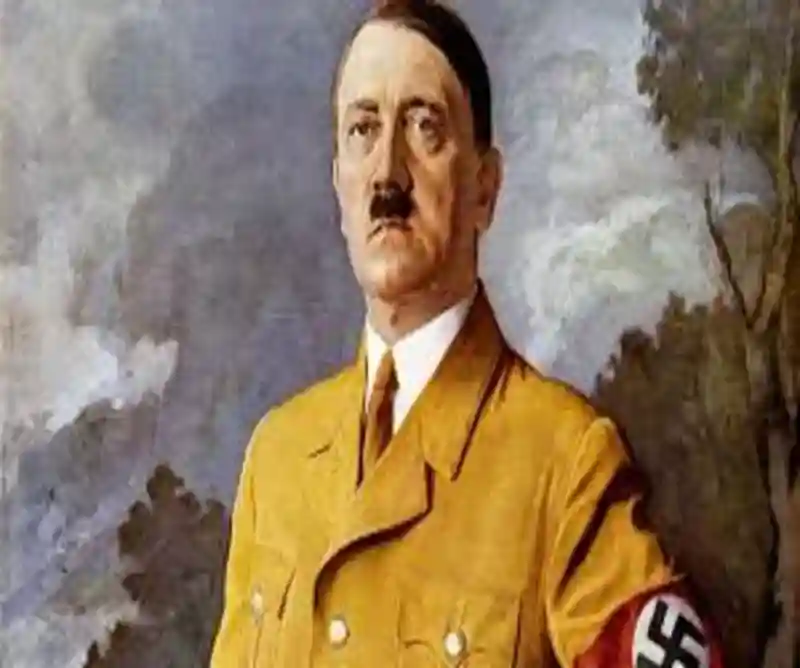
Adolf Hitler, one of the most infamous figures in history, ruled Germany from 1933 to 1945, leaving a legacy that has profoundly shaped the course of human civilization.
His reign of terror, marked by aggressive expansionism, propaganda, and the systemic persecution of millions, especially the Jewish people, serves as a grim reminder of the dangers of unchecked power, ideologies of hate, and authoritarian leadership.
While Hitler’s actions were undeniably destructive, studying his leadership offers critical lessons for the world today, especially for Africa, a continent that continues to navigate complex political, social, and economic challenges.
Felix Omoko Blog in this post unveils ten key lessons from Hitler’s era that can help shape a more informed and ethical future.
- The Dangers of Extreme Nationalism
Hitler’s rise to power was fueled by an extreme form of nationalism that sought to elevate one race above all others. This ideology, rooted in the idea of Aryan superiority, led to the dehumanization and mass extermination of millions. For Africa, this is a stark reminder of the dangers of prioritizing one group over another. Embracing inclusivity, unity, and respect for all ethnicities is crucial in a continent rich in diverse cultures. - The Power of Propaganda
One of Hitler’s most effective tools was propaganda, which he used to manipulate public opinion, suppress dissent, and spread hatred. His regime skillfully controlled the media to shape public perception and advance its agenda. In today’s media-driven world, Africa must be vigilant about the spread of misinformation and its potential to sway public opinion for harmful purposes. Promoting media literacy and critical thinking is key to a free, informed society. - The Perils of Totalitarianism
Under Hitler’s regime, the state held absolute power, with no checks or balances. This totalitarian rule stifled individual freedoms, crushed opposition, and led to widespread human rights violations. Africa must learn from this example and ensure that political systems remain democratic, transparent, and accountable, allowing space for dissent and debate. - The Corruption of Power
Hitler’s concentration of power in his hands led to widespread corruption and the erosion of institutional integrity. The absence of checks on his authority allowed for atrocities such as the Holocaust. African nations must ensure that power is decentralized and that strong institutions, rather than individuals, hold the power. A system of governance based on transparency and accountability is essential for sustainable development. - The Importance of Education in Shaping Society
Hitler understood the power of shaping the youth, and his regime invested heavily in controlling education to indoctrinate young people with Nazi ideology. This highlights the importance of education as a tool for shaping the future of societies. African nations must prioritize education that promotes critical thinking, social responsibility, and tolerance, laying the foundation for a generation that can resist hatred and prejudice. - The Consequences of Economic Instability
Germany’s economic collapse following World War I created the conditions for Hitler’s rise. Desperation and instability led many to embrace extremist ideologies. For Africa, which faces its own economic challenges, this serves as a warning. Economic resilience, job creation, and investment in infrastructure are crucial to avoid the rise of dangerous populist movements that prey on fear and uncertainty. - The Human Cost of War and Conflict
Hitler’s aggression led to World War II, which caused the deaths of millions and reshaped the global order. The scars of war are still evident in many parts of the world, particularly in regions like Africa, where conflict has had devastating impacts. The lessons of history remind us of the importance of diplomacy, conflict resolution, and peacebuilding to prevent the human and economic costs of war. - The Role of the International Community in Protecting Human Rights
Hitler’s atrocities went unchecked for years, as the international community was slow to act. The Holocaust stands as a testament to the need for strong international mechanisms to prevent crimes against humanity. African leaders must actively engage in global forums to ensure that human rights are respected and protected, both within the continent and globally. - The Importance of Moral Leadership
Hitler’s leadership was marked by a complete disregard for moral and ethical principles, as he pursued his vision at any cost. Africa must prioritize leaders who govern with integrity, empathy, and a commitment to justice. Moral leadership fosters social cohesion, respect for human rights, and sustainable peace. - The Power of Resistance and Resilience
Despite the overwhelming force of Hitler’s regime, resistance movements, both inside Germany and across occupied Europe, fought back against the tyranny. This teaches Africa the importance of resilience in the face of oppression. Civic engagement, activism, and the promotion of human rights are essential to preventing the rise of authoritarianism and ensuring that democracy prevails.
Adolf Hitler’s era in power serves as a stark reminder of the darkest potential of human governance. By studying his leadership, we can learn from the catastrophic consequences of unchecked authoritarianism, hatred, and the suppression of dissent. Africa, with its vast diversity and rich history, must embrace these lessons as it navigates its path toward peace, unity, and prosperity.
The future of Africa depends on its ability to reject division, resist authoritarianism, and build inclusive societies that value human dignity above all else. By understanding the failures of history, we can collectively ensure that such horrors are never repeated and that the lessons of the past illuminate a brighter future for generations to come.
Leave a Reply