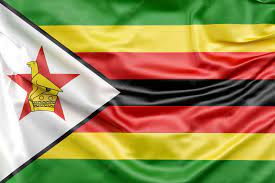
Zimbabwe is a landlocked country in Southern Africa with a rich and complex history shaped by colonialism, politics, independence, economic turmoil. Understanding the political landscape requires a look at its historical evolution, government structure, economy, and the challenges it faces today.
The Politics of Zimbabwe covering its history, form of government, capital cities, economy and resources, tourist centers and political challenges.
History and Independence
Zimbabwe, formerly known as Rhodesia, was a British colony until it declared unilateral independence in 1965. This led to international isolation due to its racial segregation policies. Following a prolonged liberation struggle, Zimbabwe gained independence in 1980 under the leadership of Robert Mugabe, who became the country’s first prime minister and later its president. His rule, initially hailed for its focus on unity and national development, became increasingly autocratic and marked by economic mismanagement, corruption, and controversial land reform programs.
Form of Government
Zimbabwe is a unitary, presidential republic with a multi-party political system. The President, who is both the head of state and government, wields significant executive power, while the Parliament consists of the House of Assembly and the Senate.
The political landscape is dominated by the Zimbabwe African National Union – Patriotic Front (ZANU-PF), which has been in power since independence. Despite occasional opposition, ZANU-PF has maintained control, often through contested elections and accusations of political repression.
Capital Cities
The capital city of Zimbabwe is Harare, which is also the largest city in the country. It serves as the political, cultural, and economic hub of Zimbabwe. The second-largest city is Bulawayo, known for its historical significance and economic importance.
Tourist Centers
Zimbabwe is known for its stunning natural beauty and abundant wildlife, attracting tourists from around the world. Key tourist destinations include:
1. Victoria Falls: One of the largest and most famous waterfalls in the world, shared with Zambia, and a UNESCO World Heritage site.
2. Hwange National Park: A large game reserve known for its diverse wildlife, including elephants, lions, and rhinos.
3. Great Zimbabwe Ruins: The remains of an ancient city, providing insight into the country’s medieval history.
4. Lake Kariba: A large artificial lake, popular for fishing, boating, and scenic views.
Economy and Resources
Zimbabwe’s economy has experienced significant challenges, particularly after the land reform programs of the early 2000s, which disrupted agricultural production. Despite these struggles, the country remains resource-rich, with key sectors including:
1. Mining: Zimbabwe is rich in minerals such as gold, platinum, diamonds, and coal, making mining a vital sector in the economy.
2. Agriculture: Historically, Zimbabwe was known as the “breadbasket” of Africa, with crops like tobacco, maize, and sugar being major exports.
3. Tourism: The country’s natural wonders and wildlife continue to attract tourists, contributing to the economy.
Zimbabwe’s GDP fluctuates due to hyperinflation, economic instability, and international sanctions. As of recent years, the economy has been slowly recovering, with a focus on industrial growth and foreign investment.
Political Challenges
Zimbabwe faces several political and economic challenges:
1. Authoritarianism and Human Rights: The ZANU-PF government has been criticized for its authoritarian practices, suppression of political opposition, and human rights abuses.
2. Corruption: Corruption remains rampant, with allegations of state resources being misused by government officials.
3. Economic Instability: Hyperinflation, unemployment, and poverty have plagued the country, with many Zimbabweans seeking opportunities abroad.
4. International Relations: Sanctions, particularly from Western countries, have hindered Zimbabwe’s economic recovery and foreign investment.
Zimbabwe’s politics are deeply influenced by its historical legacy, with a mix of opportunities and challenges.
Leave a Reply