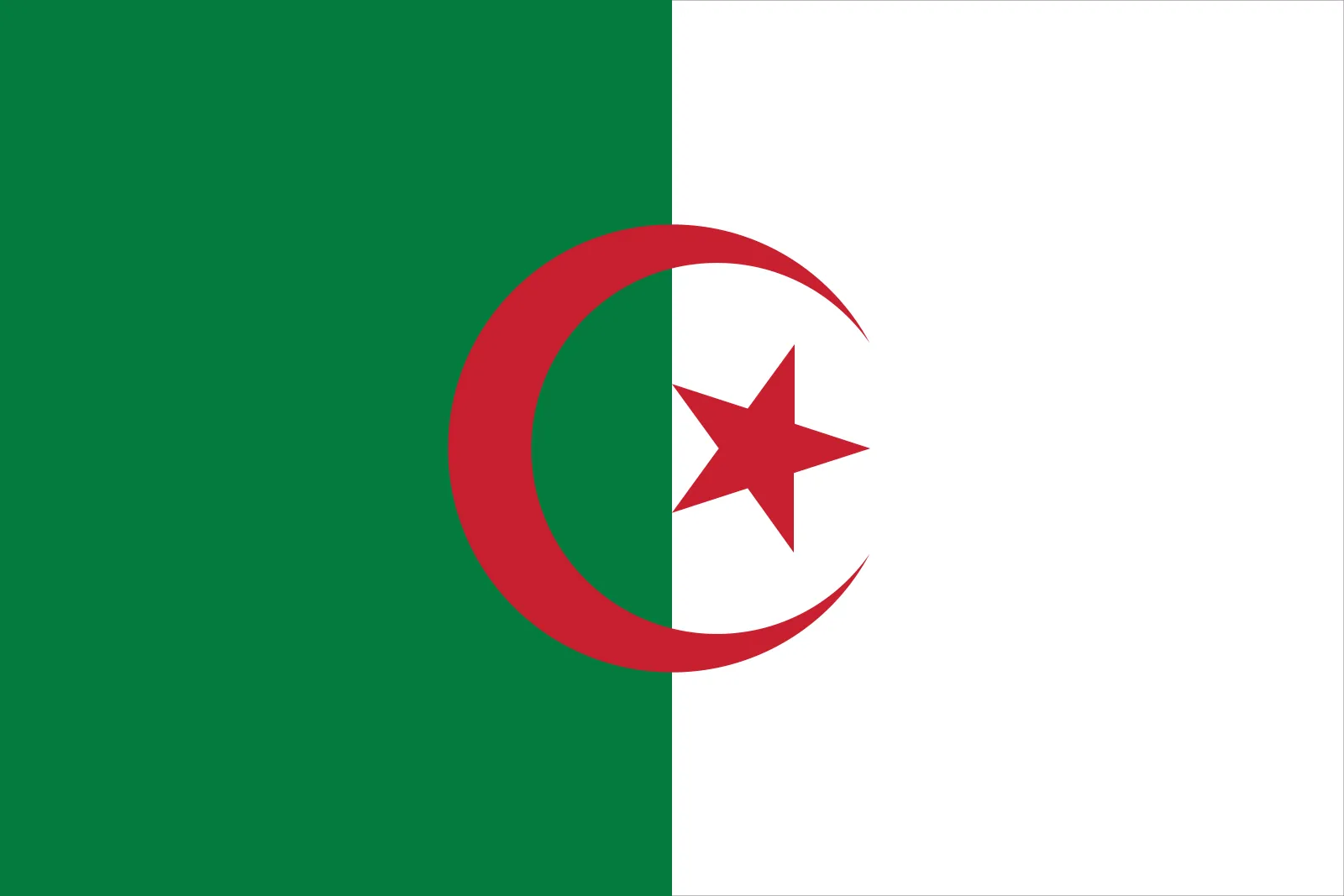
Algeria is a country located in North Africa with a rich history marked by colonization, independence, and political change.
History
Algeria was colonized by France in 1830, enduring over a century of oppressive rule. The country gained independence in 1962 after a bloody war of liberation, led by the National Liberation Front (FLN). The revolution left deep scars but also fostered a strong national identity.
Form of Government
Algeria is a semi-presidential republic. The government is characterized by a mixture of presidential power and a parliamentary system. The President is the head of state, and the Prime Minister is appointed to oversee the government. Although elections are held, political power has often been concentrated in the hands of the military and FLN.
Capital City
Algiers, the capital city, is the heart of Algeria. Located along the Mediterranean coast, it’s a bustling urban center with a rich history, blending French colonial architecture with Arab influences.
Tourist Centers
Algeria boasts stunning natural and cultural heritage sites, including:
- Algiers: The Casbah, a UNESCO World Heritage site, is an ancient city that reflects Algeria’s diverse history.
- Tassili n’Ajjer: A UNESCO-listed park known for its prehistoric rock art and vast desert landscapes.
- Oran: A vibrant coastal city famous for its music scene and Mediterranean beaches.
Presidents: Past and Present
- Ahmed Ben Bella (1963–1965): The first president of Algeria, he was one of the leading figures in the independence movement.
- Houari Boumédiène (1965–1978): Led a military coup and became a key figure in shaping Algeria’s post-independence politics.
- Abdelaziz Bouteflika (1999–2019): Held power for nearly two decades before stepping down amid widespread protests.
- Abdelmadjid Tebboune (2019–present): The current president, who took office after a contested election following Bouteflika’s resignation.
Education Reform
Algeria has made strides in education, focusing on expanding access and improving literacy rates. However, challenges persist, especially in rural areas. Recent reforms emphasize vocational training and higher education to meet modern economic needs.
Entertainment Industry
Algeria’s entertainment industry is diverse, with music, cinema, and literature holding significant cultural weight. Raï music, originating from Oran, has gained international fame. The country also has a growing film industry, with notable contributions to African cinema, and is home to authors like Assia Djebar and Yasmina Khadra.
Political Challenges
Algeria faces several political challenges:
- Youth Unemployment: The high unemployment rate among youth has led to frustration and occasional protests.
- Political Reforms: Calls for political change have grown, especially after the 2019 protests which forced Bouteflika to resign.
- Security Issues: The country also contends with security concerns due to extremist groups operating in the region, although efforts to combat terrorism have been ongoing.
Algeria is a country with a complex political history and a vibrant cultural scene. While it has made significant progress since independence, it faces ongoing challenges in political reform, youth employment, and security. #Omoko
Leave a Reply