
Borno State of Nigeria is a region rich in both mineral and agricultural resources. While the state is often known for its historical significance and agricultural activities, it is also endowed with a variety of valuable minerals.
These minerals have the potential to support both local and national economies.
In this post, we will explore the top 10 mineral resources found in Borno State and their economic importance.
Mineral Resources
1. Limestone: Limestone is one of the most abundant mineral resources in Borno State, particularly around the areas of Gwoza and Bama. This mineral is essential for cement production and is widely used in the construction industry.
Economic Impact: The presence of limestone supports the cement industry, contributing to construction, infrastructure development, and job creation.
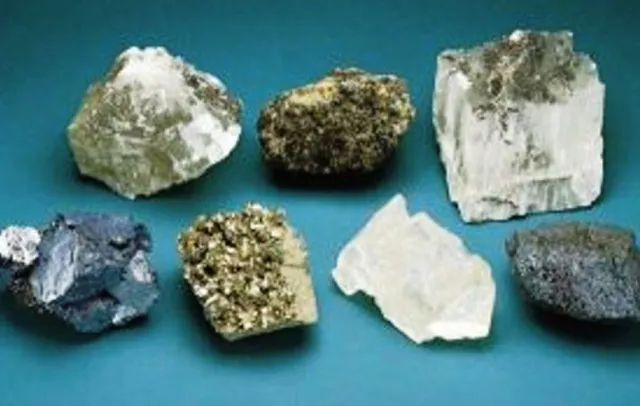
2. Clay: Borno is home to large deposits of clay, which are found in various parts of the state. Clay is used in the production of bricks, tiles, ceramics, and pottery. Local artisans and construction industries benefit from this resource.
Economic Impact: Supports the construction, ceramics, and pottery industries, contributing to the local economy through manufacturing and craftsmanship.
3. Granite: Granite, a durable and widely used mineral in construction, is found in several parts of Borno State. Granite is commonly used for building roads, bridges, and decorative works in the construction sector.
Economic Impact: Vital for the construction industry, especially in road building, housing, and infrastructure development.
4. Salt: Borno has notable salt deposits, especially around the area of Nguru, which has long been known for its salt production. Salt plays an essential role in food preservation and in various industrial processes.
Economic Impact: Salt supports the agricultural sector through food preservation, as well as the chemical and manufacturing industries.
5. Gypsum: Gypsum is another important mineral found in Borno State, particularly in the northeastern regions. It is primarily used in the production of cement, plaster, and fertilizers.
Economic Impact: Key for the cement industry and agricultural sector, contributing to building materials and soil improvement.
6. Iron Ore: Iron ore deposits are found in parts of Borno, particularly in the northeastern regions near the border with Chad. Iron ore is crucial for the production of steel and other metallic products.
Economic Impact: Supports the steel industry, which is essential for industrialization, infrastructure development, and the manufacturing sector.
7. Kaolin: Kaolin, a soft white clay mineral used in the production of ceramics, paper, and cosmetics, is also found in Borno. This resource is valuable for local manufacturing and artisanal activities.
Economic Impact: Contributes to the ceramics, paper, and cosmetics industries, providing raw materials for these sectors.
8. Talc: Talc, a mineral used in the production of soap, cosmetics, and as a filler in various industrial applications, is found in parts of Borno State. This mineral has a variety of uses in manufacturing processes.- Economic Impact: Vital for the production of cosmetics, soap, and as an industrial filler, contributing to manufacturing industries.
9. Copper: Copper deposits have been found in Borno State, particularly in the regions close to the border with Cameroon. Copper is used in electrical wiring, plumbing, and the manufacturing of various alloys.
Economic Impact: Supports the electrical and electronics industries, as well as plumbing and metal production, contributing to industrial growth.
10. Zinc: Zinc, an essential metal used in galvanizing, alloy production, and the manufacturing of batteries, is another mineral found in Borno. Zinc is used to protect other metals from corrosion and has various industrial applications.
Economic Impact: Supports industries like galvanizing, alloy production, and battery manufacturing, contributing to the local economy and national industries.
Borno State is rich in a variety of mineral resources, from construction materials like limestone and granite to valuable industrial minerals like copper, zinc, and gypsum. These resources have great potential to support the state’s economy, providing raw materials for both local industries and national markets. The development and sustainable management of these minerals can stimulate job creation, industrial growth, and infrastructure development in the region.
By harnessing these mineral resources effectively, Borno State can diversify its economy, reduce its dependency on oil, and position itself as an important player in Nigeria’s mining sector.
Leave a Reply