Cross River State, located in the southeastern region of Nigeria, is endowed with a variety of natural resources that contribute significantly to its economy. The state’s rich biodiversity, coupled with its mineral and agricultural resources, makes it one of Nigeria’s most resource-rich states.
From solid minerals to agricultural produce, Cross River is home to valuable resources that support local industries, trade, and the national economy.
Below are the top 8 natural resources found in Cross River State.
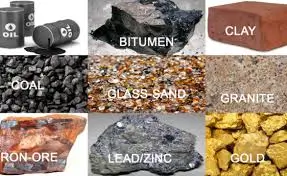
1.Crude Oil: Crude oil is one of the most significant natural resources in Cross River State, particularly in its coastal and riverine areas. The state is part of the Niger Delta, which contains a large portion of Nigeria’s proven oil reserves. Crude oil extraction in Cross River contributes to the country’s oil revenues, supporting both local and national economic growth.
Crude oil is for Nigeria’s energy sector, oil exploration, and refining industries, contributing to national revenue generation.

Natural gas is crucial for power generation, the petrochemical industry, and potential export opportunities.
3. Timber: Cross River is known for its vast forests, which are home to a variety of valuable tree species. The state’s timber resources play an essential role in the construction, furniture, and paper industries. Cross River’s timber reserves also contribute to the local economy through the trade of wood products.
Timber supports the furniture, paper, and construction industries, while providing jobs and boosting the state’s economy.
4. Palm Oil: Palm oil production is a major agricultural activity in Cross River State, with large plantations in areas like Ogoja and Calabar. Palm oil is used in cooking, as well as in the production of soaps, cosmetics, and industrial products. The state’s favorable climate supports the large-scale cultivation of oil palm.
Palm oil supports the food, soap, and cosmetics industries, and contributes to both local consumption and export markets.
5. Cocoa: Cross River is one of Nigeria’s top cocoa-producing states, with extensive cocoa farms in regions like Ikom and Obubra. Cocoa farming is a major agricultural activity in the state, and the crop is a key export commodity. The state’s cocoa production supports both local economies and the national export market.
Cocoa is vital for the food industry, particularly chocolate production, and supports both local farming communities and international trade.
6. Rubber: The state has large rubber plantations, especially in areas like Boki and Ikom. Rubber is a significant agricultural resource for Cross River, used in the production of tires, footwear, industrial products, and as a raw material for various manufacturing sectors.
Rubber contributes to the global rubber industry, supports local agricultural livelihoods, and provides raw materials for industries such as automotive manufacturing.
7. Clay: Clay is abundant in several parts of Cross River State, particularly in regions around Calabar and Ikom. Clay is primarily used for brick-making, pottery, and ceramics. The resource supports both traditional craftsmanship and modern manufacturing industries.
Clay supports the local pottery, brick-making, and ceramics industries, contributing to construction and craft production.
8. Granite: Granite is found in various parts of Cross River State, particularly around Calabar. The state’s granite deposits are used in the construction industry for road building, housing projects, and as a decorative stone for both local and international markets.
Granite is vital for the construction and infrastructure sectors, contributing to road building, housing, and decoration.
Cross River State is endowed with a wide range of natural resources that are pivotal to its economy and the overall growth of Nigeria.
From the rich oil and gas reserves in the coastal areas to the agricultural resources like cocoa, rubber, and palm oil, the state’s natural resources support key industries and provide significant economic opportunities.
Furthermore, solid minerals such as timber, clay, and granite contribute to the development of the construction, manufacturing, and craft sectors.
Cross River State can continue to develop its economy and contribute significantly to Nigeria’s overall economic growth by focusing on sustainable resource management and encouraging investment in these eight resources.
Leave a Reply