
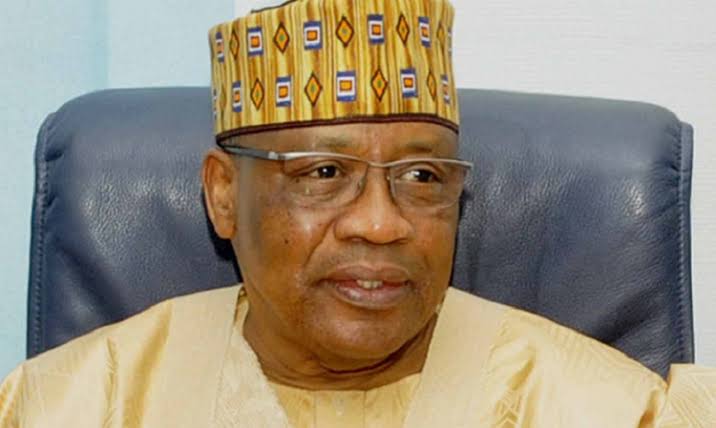
IBB, Nigerian former military head of state, Gen Ibrahim Babangida has revealed the events that led to the annulment of the June 12 presidential election. IBB made the remark during the launch of his new book titled; A Journey in Service, in Abuja.
The June 12, 1993, presidential election in Nigeria is a pivotal moment in the nation’s history, one that continues to provoke debate and scrutiny decades later. The annulment of the election by then-military ruler General Ibrahim Babangida (IBB) remains a subject of intense political discussion. In his memoir A Journey in Service, Babangida offers insights into the events surrounding the election and its controversial annulment. His reflections on the roles played by General Sani Abacha, Professor Humphrey Nwosu, and other military figures shed light on the complex web of internal opposition and decision-making that led to this critical moment.
Babangida’s Memoir: A Personal Recollection of Events
In his book, A Journey in Service, Babangida commonly known as IBB recounts his experiences and decisions during his time in power. One of the most striking revelations in the book appears on pages 274-275, where Babangida gives his version of how the June 12 election was annulled. Babangida acknowledges the existence of internal opposition within the military, which he suggests was a driving force behind the annulment.
Abacha’s Role in the Annulment
In the memoir, Babangida directly points to General Sani Abacha as a central figure behind the annulment. He writes:
“These nefarious ‘inside’ forces opposed to the elections have outflanked me! I would later find out that the ‘forces’ led by General Sani Abacha annulled the elections.”
This statement implies that Babangida was, at least initially, unaware of the scale of opposition brewing within the military circles surrounding him. According to Babangida, Abacha, who would later seize power in a military coup, played a pivotal role in ensuring that the election was annulled. It suggests that Abacha, along with other internal forces, had a considerable influence on the decision, circumventing Babangida’s control.
Nwosu’s Unilateral Action
While Babangida acknowledges Abacha’s role in the annulment, he also points to Professor Humphrey Nwosu, the Chairman of the National Electoral Commission (NEC), as another key figure. On June 16, 1993, Nwosu made the shocking decision to suspend the announcement of the election results, a move that Babangida claims occurred without his prior knowledge or approval. In his memoir, Babangida writes:
“And then, on June 16, without my knowledge or prior approval, NEC Chairman, Professor Nwosu, announced the suspension of the June 12 election results ‘until further notice’.”
This excerpt reveals Babangida’s frustration with Nwosu’s actions, suggesting that Nwosu’s decision to suspend the results was taken unilaterally and without consultation with him. It highlights a breakdown in communication and authority within the government and points to the growing tensions surrounding the election process.
Who Truly Annulled the June 12 Election? IBB or who …
Babangida’s account raises a crucial question: who was responsible for the annulment of the June 12 election? While Babangida does not explicitly absolve himself, his narrative clearly shifts much of the blame to Abacha and other military figures. His portrayal of Nwosu’s unilateral action further complicates the matter, suggesting that the annulment was not a single-handed decision but a result of various forces acting behind the scenes.
The question of whether Abacha or Nwosu played the more significant role in the annulment remains open to interpretation. Babangida’s memoir highlights the interplay of military and political power, with Abacha’s influence looming large over the decision, while also acknowledging Nwosu’s critical role in suspending the election results.
Nigerians reacts after the launch of IBB’s new book titled: A Journey in Service, after 32 years of annulment of the June 12 presidential election.
Leave a Reply