President Bola Tinubu has ordered a sweeping reform of Nigeria’s revenue system, ending the long-standing arrangement that allowed agencies like the Federal Inland Revenue Service (FIRS), Nigeria Customs Service (NCS), and the Nigerian Upstream Petroleum Regulatory Commission (NUPRC) to retain billions of naira annually as their “cost of collection.”
The announcement, delivered by Minister of Finance and Coordinating Minister of the Economy, Mr. Wale Edun, signals a decisive shift toward transparency and compliance with constitutional provisions. Under the new directive, every kobo generated by these agencies must be paid directly into the Federation Account without prior deductions.
For years, revenue bodies had withheld staggering amounts before remitting to the national purse. In 2024 alone, the FIRS reportedly retained more than ₦250 billion. This practice consistently reduced the pool of funds available to the three tiers of government through the Federation Account Allocation Committee (FAAC), limiting resources for essential development projects.
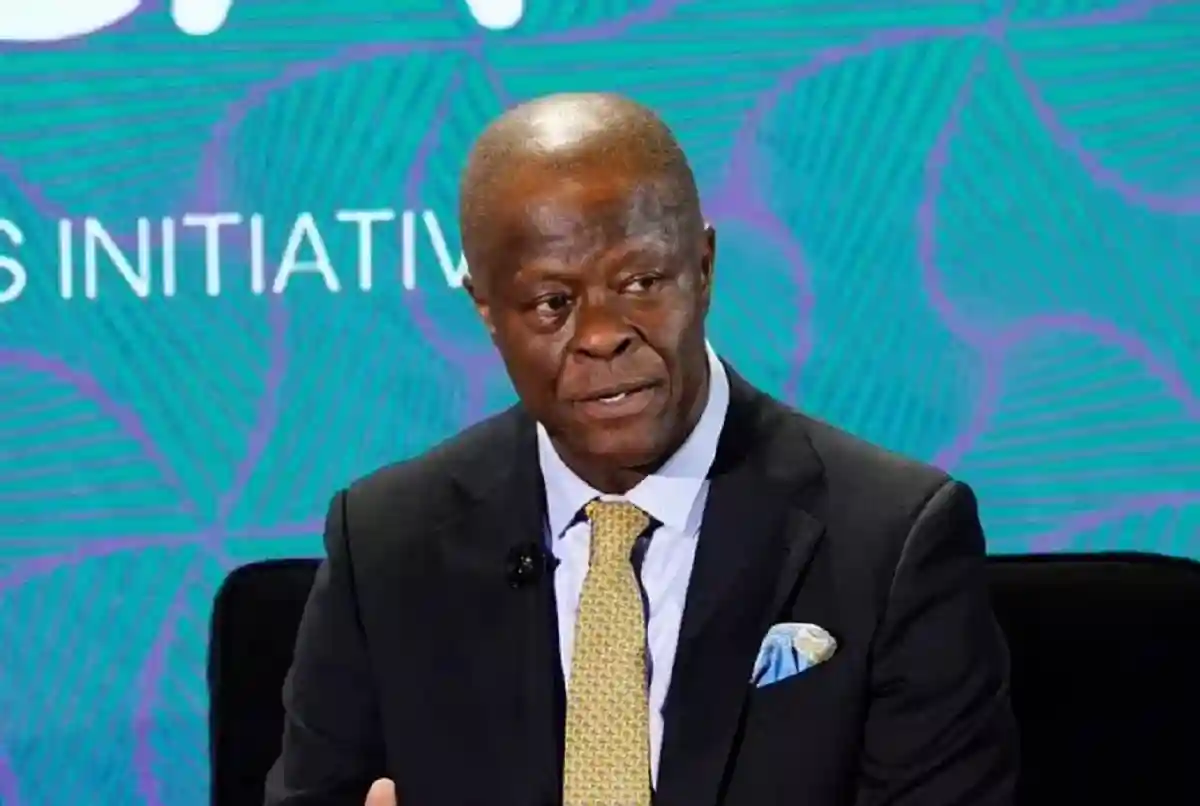
By closing this gap, Tinubu’s policy is expected to significantly boost the funds available to build roads, equip hospitals, improve schools, and support job creation. According to Edun, “This is about fairness and accountability. Nigerians should see and feel the full benefit of every naira collected in their name.”
The reform also dovetails with the president’s Renewed Hope Agenda, which emphasizes fiscal discipline alongside social protection. Already, the administration is scaling up direct cash transfers, reaching 10 million vulnerable households this October and targeting 50 million families by year’s end.
Policy analysts are describing the move as a milestone in Nigeria’s fiscal history — one that could curb leakages, restore trust in public finance, and redirect revenue flows more directly to the people.
Leave a Reply