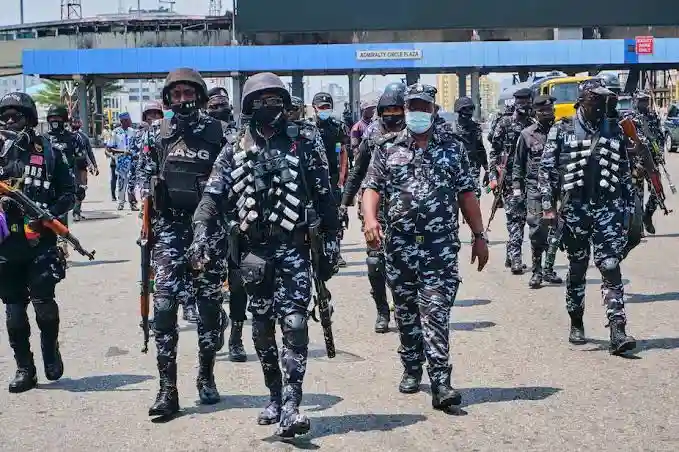
The debate over the creation of state police in Nigeria has intensified as insecurity continues to threaten lives, livelihoods and national cohesion.
Nigeria operates a highly centralised internal security system in which law enforcement authority is concentrated at the federal level. This arrangement was designed to promote national unity and uniform standards, but changing security realities have exposed its limitations. Criminal activities now vary widely across regions, demanding faster and more context-specific responses than a distant command structure can often provide.
One of the strongest arguments for decentralisation is the persistent rise in insecurity. Kidnapping, banditry, communal clashes and insurgency have spread across several states, overwhelming existing security mechanisms. State governments are closest to these challenges, yet their role in operational decision-making remains limited. Delays in approval, deployment and intelligence sharing frequently allow criminal activity to escalate before effective action is taken.
Local knowledge is another critical factor driving the demand for reform. Communities possess deep understanding of their terrain, social structures and historical tensions. Security personnel recruited locally are more likely to speak the language, understand cultural norms and recognise emerging threats early. This familiarity can significantly improve intelligence gathering and preventive action, shifting the focus from reaction to early intervention.
Population growth also places enormous pressure on the current system. Nigeria’s population has expanded rapidly over the past decades, while security manpower and infrastructure have not kept pace. Expecting a single national framework to adequately secure a vast and diverse country creates overstretch and inefficiency. Allowing states to assume greater responsibility could ease this burden and enable more targeted deployment of resources.
Advocates further argue that decentralised security would strengthen federalism and accountability. In a functioning federal system, subnational governments should have meaningful authority over internal affairs that directly affect their residents. When governors and state assemblies are directly responsible for security outcomes, citizens can more easily demand transparency and performance. Failure would carry political consequences, encouraging professionalism and reform.
Despite these benefits, concerns about potential abuse remain significant. Critics fear that political leaders could misuse security forces to harass opponents, influence elections or suppress dissent. Nigeria’s history makes such concerns valid. To address this risk, any reform must include strong constitutional safeguards, independent oversight institutions and clearly defined limits on executive control. Effective state police structures must be grounded in professionalism, merit-based recruitment and impartial enforcement of the law.
Funding poses another major challenge. Establishing and sustaining decentralised security institutions requires significant financial resources, and not all states have equal revenue capacity. This raises fears of uneven protection across the federation. Supporters counter that security is a core responsibility of government and that collaborative funding models, federal support and inter-state cooperation can help mitigate disparities without undermining national cohesion.
The rise of regional security outfits in recent years highlights public demand for more responsive protection. While these groups operate with varying degrees of legality and effectiveness, they demonstrate a clear gap between citizen expectations and current arrangements. Properly regulated police institutions at the state level could formalise these efforts, harmonise standards and integrate them into a coordinated national framework that complements federal responsibilities.
Another important dimension is public trust. Citizens are more likely to cooperate with agencies they perceive as accessible and accountable. A security presence that is closer to communities can improve reporting of crimes, reduce fear and strengthen collective responsibility for safety and conflict prevention.
The case for state police in Nigeria rests on the urgent need to respond more effectively to insecurity, improve local intelligence and strengthen accountability. The risks associated with decentralisation are real but manageable. With clear legal frameworks, robust oversight and commitment to professionalism, police reform could enhance public safety, restore confidence in governance and reinforce the principles of federalism.
Leave a Reply