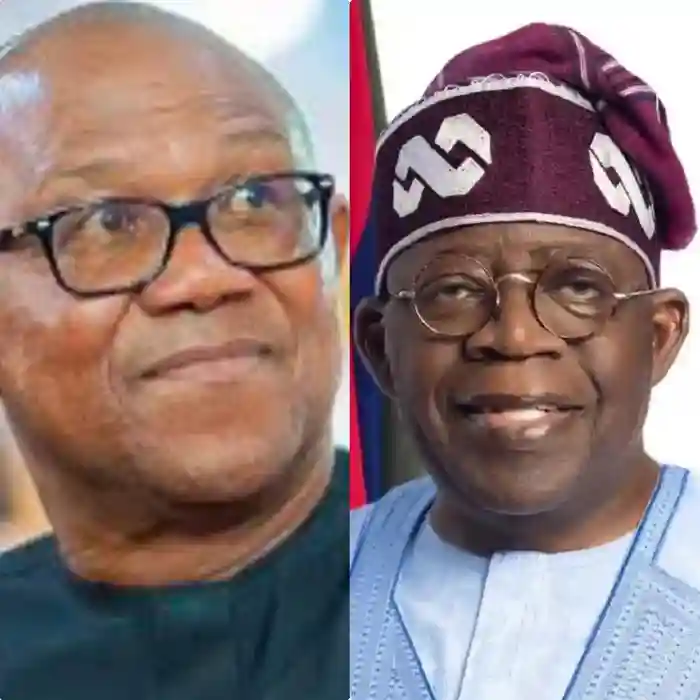
Nigeria’s political landscape is entering a decisive and volatile phase as the country edges toward the 2027 general elections. The period between 2024 and 2026 is shaping up as a battleground for power realignments, economic policy debates, regional calculations, and institutional preparedness. Key political actors such as President Bola Ahmed Tinubu, Peter Obi, and Atiku Abubakar are already central to the unfolding drama, while Kano politics, party defections, economic pressures, electoral administration, and fiscal reforms are redefining the rules of engagement.
Tinubu and the Burden of Incumbency
President Bola Tinubu approaches 2027 with the advantages and liabilities of incumbency. His administration has pursued far-reaching economic reforms, including fuel subsidy removal and foreign exchange adjustments, aimed at stabilizing public finance and restoring investor confidence. Politically, Tinubu’s task is to consolidate control within the ruling coalition, manage internal party tensions, and demonstrate tangible improvements in living conditions.
However, rising inflation, currency volatility, and public dissatisfaction have complicated the political calculus. For Tinubu, the challenge is not only electoral but reputational: convincing voters that current hardships are transitional and that long-term gains justify short-term pain. How effectively his government links policy outcomes to everyday realities will significantly influence his 2027 prospects.
Peter Obi and the Persistence of the Third Force
Peter Obi remains a defining figure in post-2023 Nigerian politics. His previous campaign reshaped political engagement, particularly among young voters, urban professionals, and sections of the middle class. As 2027 approaches, Obi’s political relevance depends on whether his movement can evolve from a protest-driven coalition into a durable national structure.
Obi’s message continues to center on governance reform, fiscal discipline, and human capital development. The strategic question is whether he can expand his appeal beyond core support bases and navigate party platforms, alliances, and regional dynamics without losing credibility. His presence ensures that the 2027 race will not be a simple two-horse contest and keeps pressure on established political formations.
Atiku Abubakar and the Politics of Experience
Atiku Abubakar remains a seasoned contender with deep networks across Nigeria’s political and business communities. His strength lies in cross-regional reach and long-standing familiarity with national power structures. As opposition politics reorganize, Atiku’s role could be either as a leading candidate or a kingmaker shaping alliances.
Yet, Atiku also faces generational and narrative challenges. Voters increasingly demand fresh approaches to governance, and his campaigns must balance experience with renewal. Whether Atiku can reposition himself as both experienced and forward-looking will shape his relevance as 2027 draws nearer.
Kano Politics and the Northern Equation
Kano State continues to be a critical political battleground. With its large voting population and symbolic influence in the North, Kano’s internal dynamics often reverberate nationally. Rivalries among political elites, shifting loyalties, and tensions between state and federal interests have kept Kano at the center of political calculations.
Control of Kano is not only about electoral numbers but also about narrative power in the North. How parties and candidates manage alliances in Kano will significantly affect broader northern voting patterns and national coalitions.
Defections and the Fluidity of Party Loyalty
Defections remain a defining feature of Nigeria’s pre-election politics. Politicians frequently switch parties in response to shifting power centers, internal disputes, or strategic calculations. As 2027 approaches, defections are accelerating, signaling uncertainty within party structures and the transactional nature of political loyalty.
While defections can strengthen parties numerically, they also raise questions about ideological coherence and voter trust. For the electorate, constant movement across party lines reinforces skepticism about political commitment and accountability.
Economic Challenges and Voter Sentiment
Economic conditions will heavily influence voter behavior in 2027. Inflation, unemployment, cost of living pressures, and currency stability dominate public discourse. While reforms are often framed as necessary corrections, their social impact has been uneven, intensifying scrutiny of government policy.
Opposition actors are likely to frame economic hardship as evidence of policy failure, while the ruling party emphasizes long-term stabilization. The election may ultimately hinge on which narrative resonates more strongly with voters’ lived experiences.
INEC’s Readiness and Institutional Confidence
The preparedness of the Independent National Electoral Commission remains a central concern. Electoral credibility is foundational to political stability, and public confidence in INEC’s logistics, technology, and neutrality will shape the legitimacy of the 2027 elections.
Expectations are high for improvements in voter registration, result transmission, and dispute resolution. Any perceived shortcomings could inflame political tensions and undermine trust in the democratic process.
The 2026 Budget, New Tax Law, and Political Implications
The 2026 budget and newly introduced tax laws are emerging as major political flashpoints. Government officials argue that fiscal reforms are essential for revenue expansion, infrastructure investment, and debt sustainability. Critics counter that increased tax burdens risk deepening economic hardship for households and small businesses.
These policies will not be judged solely on technical merit but on political impact. How transparently revenues are used and how equitably tax burdens are shared will influence public perception as campaigns intensify.
As Nigeria moves closer to 2027, politics is being shaped by a convergence of leadership ambitions, economic realities, regional power struggles, and institutional tests. The coming months will determine whether the political system can channel competition into constructive democratic engagement or slide into deeper polarization. The stakes are high, and the choices made now will reverberate well beyond the next election cycle.
Leave a Reply