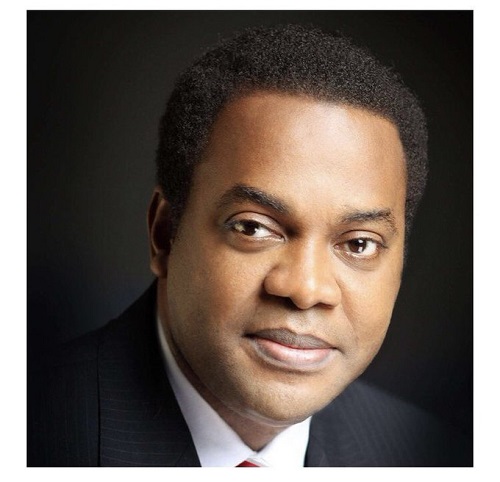
Donald Duke is a prominent Nigerian statesman, administrator, and private sector investor whose influence spans politics, governance reform, tourism development, and business. Best known for his tenure as Governor of Cross River State, Duke gained national and international recognition for repositioning the state as a tourism and investment destination. His career reflects a blend of public service, private enterprise, and policy advocacy, making him one of the notable political figures of Nigeria’s Fourth Republic.
Donald Duke: Background
Donald Duke was born on September 30, 1961, into the Duke family of Cross River State, Nigeria. He hails from the Efik ethnic group, a people historically known for commerce, diplomacy, and leadership in the Niger Delta region. Growing up in a politically aware and socially active environment, Duke developed early exposure to governance, public affairs, and leadership responsibilities. His background provided him with both cultural grounding and a broad worldview that later shaped his approach to politics and administration.
Education
Donald Duke received his early education in Nigeria before proceeding abroad for higher studies. He studied at Ahmadu Bello University, Zaria, where he obtained a Bachelor of Laws (LL.B). Seeking further professional training, he attended the University of Pennsylvania in the United States, earning a Master of Laws (LL.M). His legal education, combined with international exposure, equipped him with strong analytical skills, policy insight, and an understanding of global governance practices. This academic foundation became evident in his methodical and reform-driven leadership style.
Political Career
Donald Duke’s political career gained prominence during Nigeria’s transition to democratic rule in the late 1990s. In 1999, he was elected Governor of Cross River State under the platform of the Peoples Democratic Party (PDP). He served two terms, from 1999 to 2007. As governor, Duke emphasized transparency, fiscal discipline, and long-term planning at a time when many states focused mainly on short-term political gains.
His administration prioritized tourism, environmental conservation, and urban renewal. Under his leadership, Cross River State became widely known for projects such as the Obudu Mountain Resort, the annual Calabar Carnival, and the Tinapa Business and Leisure Resort. These initiatives were designed to diversify the state’s economy beyond federal allocations and oil dependence.
After leaving office, Duke remained active in national politics. He later sought the presidency and, over the years, has been associated with different political platforms, reflecting his reformist stance and willingness to challenge established political structures.
Business Interests
Beyond politics, Donald Duke has been actively involved in business and investment. He has interests in agriculture, power, hospitality, and real estate. His post-governorship career reflects a focus on sustainable development, private sector-led growth, and infrastructure investment. Duke has also served on corporate boards and participated in policy discussions aimed at improving Nigeria’s business climate. His business activities align with his long-standing belief that economic diversification and private enterprise are critical to national development.
Legacy and Impact
Donald Duke’s legacy is most strongly associated with visionary governance and tourism-led development. He demonstrated that subnational governments in Nigeria could attract international attention through innovation, branding, and effective management. While some of his large-scale projects generated debate regarding cost and sustainability, they nonetheless changed perceptions about what was possible at the state level.
Duke is often remembered as a governor who thought beyond routine administration, emphasizing planning, aesthetics, and global competitiveness. His influence continues through public commentary, political engagement, and mentorship, positioning him as a reference point in discussions on leadership, development strategy, and governance reform in Nigeria.
Leave a Reply