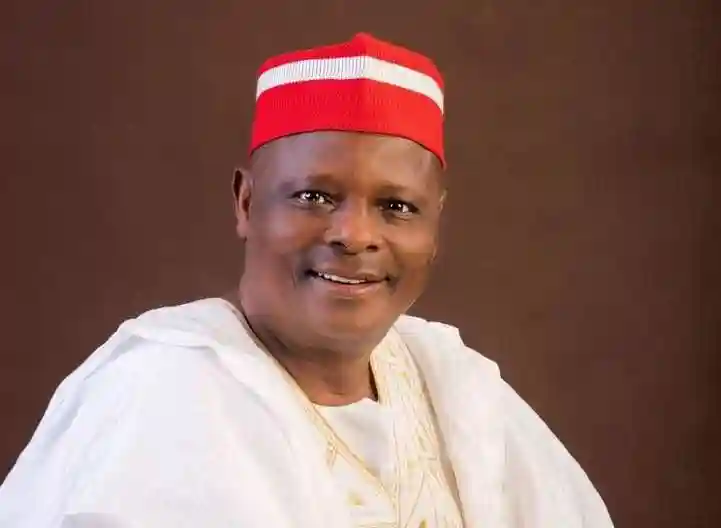
Rabiu Kwankwaso remains one of the most recognisable figures in contemporary Nigerian politics, known for his distinctive style, strong grassroots following and enduring influence in northern Nigeria.
Over several decades, Kwankwaso has built a career that spans engineering, governance and national leadership contests. From his early beginnings in Kano State to his tenure as governor and later roles at the federal level, his public life reflects a combination of political resilience, administrative ambition and loyal support networks.
Early Life and Educational Background
Born in 1956 in Madobi Local Government Area of Kano State, Rabiu Musa Kwankwaso grew up in a community shaped by commerce, tradition and Islamic scholarship. His upbringing in Kano influenced his worldview and later political base. He began his formal education locally before proceeding to further studies in engineering.
Kwankwaso attended Kaduna Polytechnic, where he obtained a Higher National Diploma in Civil Engineering. He later pursued postgraduate studies abroad, including training in the United Kingdom. His academic and professional formation as an engineer laid the foundation for his initial career in public service. Before entering full-time politics, he worked within the public sector in technical and administrative roles, gaining practical experience in infrastructure management and institutional processes.
Family and Personal Life
Beyond politics, Kwankwaso is known as a family man with strong cultural and religious roots. He is married and has children, maintaining close ties with his extended family and community networks. His personal identity is closely linked to the traditional values of northern Nigeria, which has contributed to his appeal among supporters.
His red cap, often associated with his political movement, has become a recognisable symbol among loyalists. Over time, this visual identity has reinforced a sense of cohesion among his followers, who view him not only as a politician but also as a movement leader. Despite the pressures of public life, he has sustained a reputation for accessibility to his grassroots base.
Political Career and the Rise of Kwankwaso
Kwankwaso’s formal political career gained national attention when he was elected Governor of Kano State in 1999 under the platform of the People’s Democratic Party. Although his first term ended in 2003, he later returned to office in 2011 for a second tenure that significantly reshaped his political legacy.
During his second term, Kwankwaso emphasised infrastructure development, educational reform and public sector restructuring. He also served as Minister of Defence under the administration of Olusegun Obasanjo, gaining federal executive experience. In 2015, he was elected Senator representing Kano Central, further expanding his legislative footprint.
In subsequent years, Kwankwaso emerged as a presidential aspirant and later became associated with the New Nigeria Peoples Party, under which he contested the 2023 presidential election. His political movement, often referred to as the Kwankwasiyya movement, remains influential in Kano and parts of northern Nigeria.
Achievements and Policy Legacy
One of Kwankwaso’s most cited achievements is his investment in education. During his governorship, his administration sponsored thousands of students for studies within Nigeria and abroad. This large-scale scholarship initiative aimed to build long-term human capital for Kano State.
In addition, his tenure saw the construction and rehabilitation of roads, schools and public buildings. He introduced reforms in civil service management and prioritised social intervention programmes targeted at vulnerable populations. Supporters argue that these projects significantly improved public infrastructure and expanded access to education.
Critics, however, have debated aspects of his leadership style and policy implementation, reflecting the complex nature of governance in a politically dynamic state. Nonetheless, Kwankwaso’s imprint on Kano’s political landscape is widely acknowledged, particularly in the scale of mobilisation he commands.
National Influence and Continuing Relevance
Kwankwaso continues to play a prominent role in national political discourse. His ability to maintain a loyal support base over multiple electoral cycles demonstrates organisational strength and strategic adaptability. Even outside executive office, he remains an influential voice in debates about governance, federalism and economic reform.
His political journey illustrates the interplay between regional influence and national ambition in Nigeria’s democratic system. Whether serving in executive or legislative capacities, Kwankwaso has consistently positioned himself as an advocate for development-focused governance.
The story of Rabiu Musa Kwankwaso is one of endurance, reinvention and sustained grassroots appeal. From his engineering background to his governorship and presidential ambitions, he has shaped political conversations within Kano State and beyond.
Leave a Reply