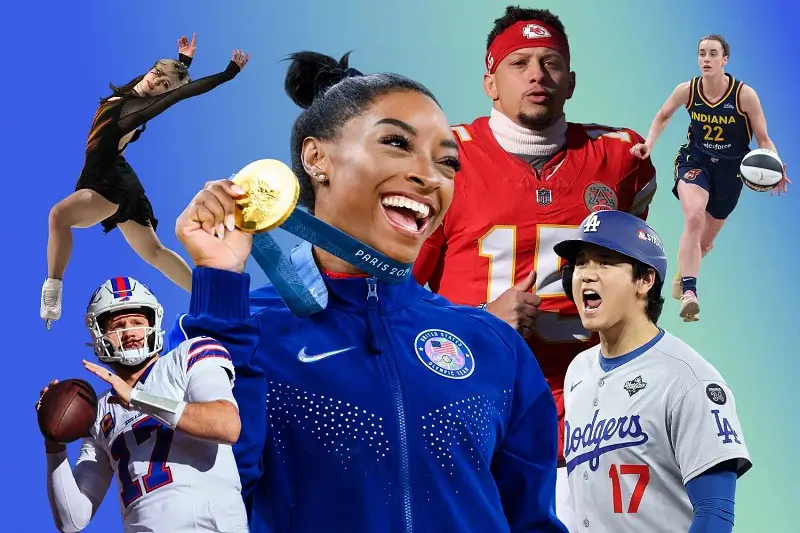
Across continents, cultures and generations, Sports remain one of the most powerful ways to connect people. Whether played in a village field, watched in a packed stadium or followed on a mobile phone, they create shared emotions and common purpose. They can bridge language barriers, reduce social distance and offer moments of pride, joy and hope. In a divided world, organised competition often reminds people of what they have in common rather than what separates them.
A Universal Language
One of the greatest strengths of physical competition is its simplicity. A goal scored in football, a race won by a narrow margin or a dramatic comeback in basketball can be understood almost instantly by anyone watching. No translation is needed to appreciate skill, effort or determination. This makes games a universal language that travels easily across borders.
People from different nations may speak different tongues, follow different traditions and hold different beliefs, yet they can still celebrate a brilliant performance together. A supporter in Lagos may cheer the same team as a fan in London or Buenos Aires. Through these shared moments, strangers often feel like friends.
This universal appeal is especially important in the digital age. Live broadcasts and social media allow supporters to react together in real time. A thrilling final can spark conversations in homes, offices and online communities across the globe within seconds.
Sports and National Pride
International tournaments often create a sense of belonging that reaches beyond politics or social class. When athletes represent their countries, citizens frequently unite behind them with genuine pride. Streets fill with celebration, flags are raised and people who rarely agree on public matters suddenly stand together.
Such moments can strengthen national confidence. Success on the global stage shows young people what is possible through discipline and hard work. It also offers countries a positive image to the wider world. Smaller nations, in particular, can gain recognition when their competitors achieve greatness.
Even defeat can unite people. Supporters often admire courage, resilience and honest effort. A team that gives everything can inspire just as much respect as one that lifts the trophy.
Building Communities at Local Level
The unifying power of competition is not limited to elite events. Local clubs, school matches and neighbourhood tournaments are just as important. These settings bring together parents, volunteers, teachers and residents who may otherwise never meet.
Community activities create routine and belonging. Children learn teamwork, discipline and respect, while adults build friendships through coaching, organising or simply attending matches. In many towns, the local club becomes a meeting point where relationships grow across age groups and backgrounds.
They can also help tackle loneliness. In modern life, many people spend long hours alone or online. Shared physical activity offers real human connection, face-to-face conversation and a reason to gather regularly.
Encouraging Inclusion and Respect
Another reason games unite people is their ability to challenge prejudice. Mixed teams, international squads and global competitions regularly show that talent exists everywhere. Players are judged by commitment and ability rather than race, religion or social status.
Many initiatives now use Sports to promote inclusion for women, disabled athletes and disadvantaged communities. When barriers are removed, society benefits from wider participation and fresh role models. Seeing diverse competitors succeed can change attitudes more effectively than many speeches.
Respect is also built into many contests. Opponents shake hands, officials enforce fairness and supporters admire excellence on both sides. These traditions teach valuable lessons about competition without hatred.
A Force for Peace and Hope
History provides many examples of games easing tension between rivals. Diplomatic relations have sometimes improved through tournaments, friendly matches or athlete exchanges. While competition alone cannot solve major conflicts, it can open doors that politics struggles to unlock.
At difficult times, major events also give people hope. During economic hardship, natural disasters or periods of uncertainty, a memorable victory or inspiring performance can lift national morale. For a few hours, people forget their worries and share optimism.
The future importance of Sports is likely to grow as the world becomes more connected. New technology will bring more audiences together, while grassroots programmes can continue strengthening communities. In every era, the basic truth remains the same: when people play, watch and celebrate together, unity becomes possible.
Leave a Reply