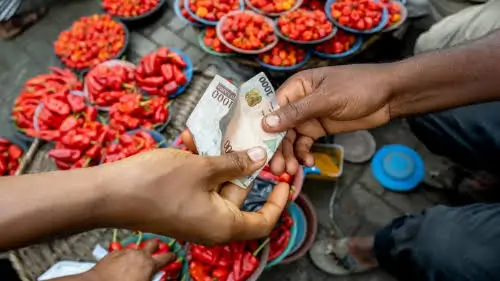
Inflation has remained one of the most pressing economic concerns in Nigeria, affecting households, businesses and public institutions alike. The continuous increase in the prices of goods and services has reduced purchasing power, making it more difficult for many families to meet their daily needs. As inflation persists, discussions have intensified on the measures required to restore price stability and protect vulnerable citizens.
The Impact on Household Spending
The effects of inflation have been felt most strongly in household budgets. Essential items such as food, transportation, healthcare and education have become increasingly expensive, forcing many families to adjust their spending priorities. Savings have also been affected as incomes struggle to keep pace with the rising cost of living.
Businesses Face Increasing Operational Costs
Businesses across various sectors have encountered higher production and operating expenses. Rising costs of raw materials, fuel, electricity and logistics have placed considerable pressure on manufacturers, retailers and service providers. Many enterprises have been compelled to review their pricing strategies, while others have explored cost-saving measures to remain competitive.
Government and Monetary Policy Responses
Efforts have been made by policymakers to address inflation through fiscal and monetary interventions. Measures such as interest rate adjustments, exchange rate reforms and initiatives to boost domestic production have been introduced to stabilise the economy. While some of these policies may require time to produce measurable results, maintaining consistency remains essential for restoring confidence in the economy.
Building a More Resilient Economy
Long-term solutions to inflation extend beyond short-term policy measures. Increased investment in agriculture, manufacturing, infrastructure and energy production would strengthen domestic supply chains and reduce dependence on imports. Encouraging innovation, improving productivity and supporting small and medium-sized enterprises would also contribute to sustainable economic growth and greater price stability.
Inflation continues to shape the economic realities faced by millions of Nigerians. Although the challenges remain significant, coordinated action by government, businesses and citizens can help mitigate its effects. A stable economic environment supported by sound policies and productive investment will be crucial in improving living standards and securing Nigeria’s long-term prosperity.
Leave a Reply