Climate change continues to intensify across the globe, with extreme heatwaves emerging as one of the most visible and dangerous manifestations of a warming planet. Rising average temperatures, prolonged droughts and shifting weather patterns are affecting ecosystems, economies and public health systems. Governments and international organisations are increasingly prioritising adaptation and mitigation strategies to address these accelerating environmental challenges.
Increasing Frequency of Extreme Weather Events
Heatwaves are becoming more frequent, longer-lasting and more severe in many regions. These conditions are placing pressure on infrastructure, agriculture and energy systems. Urban areas are particularly vulnerable due to the heat island effect, which amplifies temperatures and increases risks for densely populated communities.
Impacts on Human Health and Livelihoods
Extreme heat poses significant health risks, including dehydration, heatstroke and worsening of existing medical conditions. Vulnerable populations such as the elderly, children and outdoor workers are disproportionately affected. At the same time, reduced productivity and increased healthcare demand are creating additional socio-economic burdens.
Environmental and Agricultural Consequences
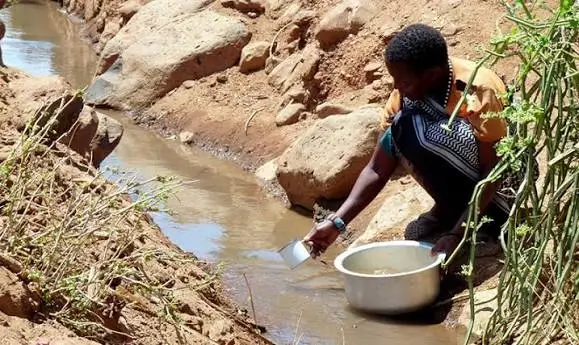
Rising temperatures are disrupting agricultural cycles and reducing crop yields in many parts of the world. Water scarcity is also becoming more pronounced as drought conditions persist. These environmental pressures threaten food security and increase competition for natural resources, particularly in already vulnerable regions.
Global Efforts Toward Climate Adaptation
Countries are investing in renewable energy, climate-resilient infrastructure and sustainable land-use practices to mitigate the effects of global warming. International agreements and climate finance initiatives are playing a critical role in supporting developing nations as they transition toward more sustainable economic models.
Climate change and heatwaves represent a defining global challenge of the 21st century. Coordinated international action, technological innovation and long-term planning will be essential to reducing risks, protecting vulnerable populations and ensuring a more sustainable and resilient global future.
Leave a Reply