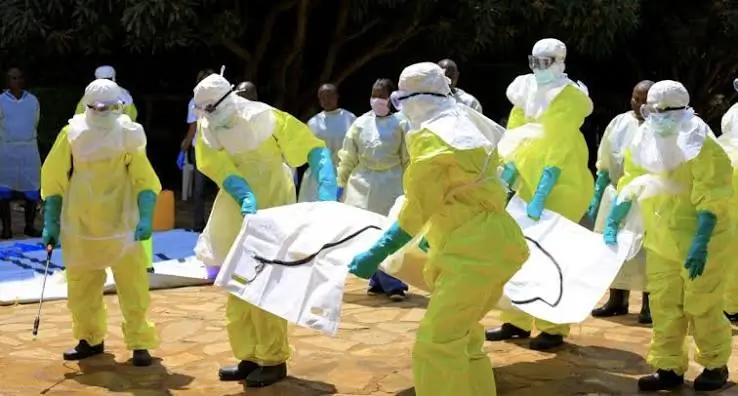
The resurgence of Ebola in parts of Africa has once again highlighted the importance of effective disease surveillance, rapid response and regional cooperation. Although previous outbreaks have demonstrated the continent’s ability to contain the virus through coordinated action, continued vigilance remains essential. Governments, healthcare institutions and international partners have intensified efforts to minimise transmission while protecting public health and strengthening healthcare systems.
Early Detection Saves Lives
Timely identification of Ebola cases is one of the most effective ways to prevent widespread transmission. Surveillance systems, laboratory testing and community reporting mechanisms have been strengthened in affected regions to ensure that suspected cases are detected and isolated promptly. Public awareness campaigns have also encouraged individuals to report symptoms early and seek medical attention without delay.
Healthcare Workers at the Frontline
Healthcare professionals continue to play a critical role in responding to Ebola outbreaks. Their responsibilities include diagnosing patients, providing specialised treatment and educating communities on preventive measures. Ensuring that frontline workers have adequate protective equipment, specialised training and psychological support remains fundamental to an effective public health response.
Regional Cooperation Enhances Preparedness
Infectious diseases do not recognise national borders. African countries have therefore continued to strengthen collaboration through information sharing, coordinated surveillance and joint emergency response strategies. Partnerships between governments, regional health organisations and international agencies have contributed to improving preparedness and reducing the risk of cross-border transmission.
Investing in Stronger Public Health Systems
Long-term resilience against Ebola and other infectious diseases depends on sustained investment in healthcare infrastructure. Modern laboratories, well-equipped hospitals, trained medical personnel and efficient emergency response systems are essential components of a robust public health framework. Continued investment in research and vaccine development will further enhance Africa’s capacity to respond to future outbreaks.
The fight against Ebola requires continuous commitment from governments, healthcare professionals, communities and international partners. While significant progress has been achieved in strengthening disease control across Africa, maintaining preparedness and investing in resilient health systems will remain essential to protecting lives and promoting long-term public health security throughout the continent.
Leave a Reply