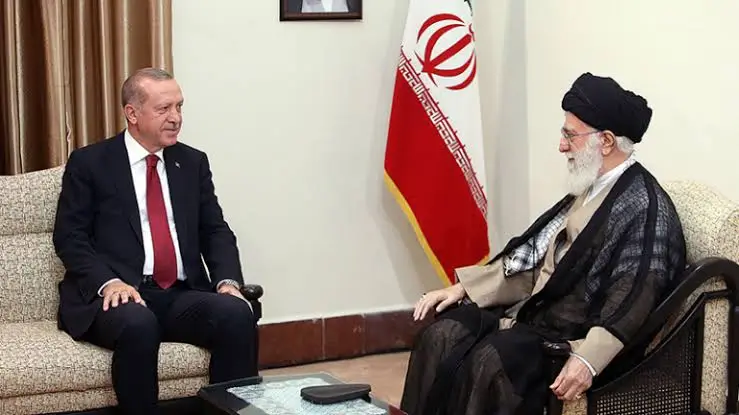
Tensions in the Middle East involving Iran continue to influence regional stability, international diplomacy and global security discussions. The geopolitical landscape remains complex, shaped by long-standing disputes, shifting alliances and competing strategic interests. As diplomatic efforts persist, regional actors and global powers are seeking pathways to reduce escalation risks while addressing underlying political and security concerns.
Regional Power Dynamics and Strategic Interests
Iran plays a significant role in Middle Eastern geopolitics, with its influence extending across multiple neighbouring states through political alliances, security partnerships and economic relationships. These dynamics contribute to a delicate balance of power in the region, where changes in policy or alignment can have wide-reaching consequences.
Security Concerns and Escalation Risks
Ongoing tensions in the region have raised concerns about potential escalation involving military confrontations, proxy conflicts and maritime security disputes. These risks have prompted increased vigilance among regional governments and international stakeholders, who continue to monitor developments closely to prevent further instability.
Diplomatic Engagement and Negotiation Efforts
Despite persistent tensions, diplomatic channels remain active. International negotiations, mediated discussions and multilateral frameworks are being used to address contentious issues, including nuclear-related concerns and regional security arrangements. While progress has been uneven, dialogue remains a critical tool in preventing escalation.
Economic and Energy Market Implications
Instability in the Middle East has direct implications for global energy markets, given the region’s importance in oil and gas production and transportation routes. Fluctuations in supply expectations often influence global pricing, underscoring the interconnected nature of geopolitical events and economic stability.
Middle East tensions involving Iran remain a central concern in global affairs. While challenges persist, continued diplomatic engagement, regional cooperation and adherence to international frameworks are essential for reducing risks and promoting long-term stability in the region.
Leave a Reply