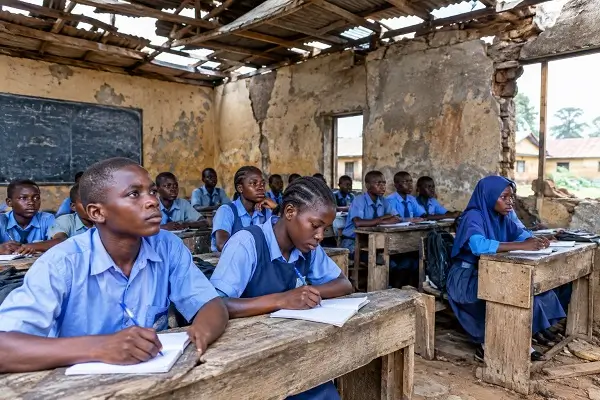
Education in Nigeria has been affected by several social, economic, political and institutional challenges. Although progress has been recorded in access to schooling, serious problems remain across basic, secondary and tertiary education. Poor funding, inadequate infrastructure, insecurity, poverty, teacher shortages and outdated learning methods continue to affect educational outcomes. These challenges must be addressed through sustained investment, effective policies and stronger accountability.
Inadequate Funding
Insufficient funding remains one of the major factors affecting education in Nigeria. Many schools lack the resources needed to provide quality teaching and learning.
Classrooms, laboratories, libraries, workshops and digital facilities are often inadequate. In some institutions, maintenance is also neglected. As a result, students may be taught in overcrowded and poorly equipped environments.
The problem can be reduced through increased and consistent investment in education. Education budgets should be properly implemented. Funds should also be monitored to ensure that they reach schools and are used for their intended purposes.
Poor School Infrastructure
Many schools across Nigeria operate with inadequate infrastructure. Dilapidated classrooms, insufficient furniture, poor sanitation and limited access to electricity and water have been reported in different parts of the country.
Learning is affected when students are placed in uncomfortable or unsafe environments. Practical subjects are also difficult to teach when laboratories and workshops are unavailable.
More classrooms should be constructed where population growth has created pressure. Existing facilities should be renovated regularly. Basic amenities such as clean water, toilets, electricity and internet access should also be provided.
Insecurity and School Disruptions
Insecurity has become another major challenge to education in Nigeria. Conflicts, banditry, kidnapping and communal violence have disrupted schooling in some communities.
Schools may be closed when students and teachers are considered unsafe. Parents may also become reluctant to send their children to school in affected areas. Learning is consequently interrupted, while some children may eventually drop out.
Stronger security measures should be provided around vulnerable schools. Early-warning systems should be developed, while affected learners should be supported through alternative learning arrangements when schools cannot operate normally.
Poverty and Economic Hardship
Poverty continues to prevent many Nigerian children from receiving uninterrupted education. Some children are required to support their families through trading, farming, domestic work or other activities.
The cost of uniforms, books, transportation, examination fees and other educational needs can also become difficult for low-income families.
This can be addressed through targeted scholarships, school feeding programmes, free learning materials and other social support schemes. More attention should also be given to families living in extreme poverty.
Shortage of Qualified Teachers
The quality of education is strongly influenced by the availability and competence of teachers. In some schools, teachers are insufficient to meet the number of students.
Heavy workloads can be created when a small number of teachers are responsible for large classes. Some teachers may also lack access to regular professional development.
More qualified teachers should be recruited. Continuous training should be provided, while teachers working in rural and underserved communities should receive appropriate incentives.
Outdated Teaching Methods
Teaching methods have also affected educational development in Nigeria. In some classrooms, excessive emphasis is still placed on memorisation rather than critical thinking, creativity and practical problem-solving.
Students need to be prepared for a changing economy. Digital skills, entrepreneurship, communication, research and vocational abilities should therefore receive greater attention.
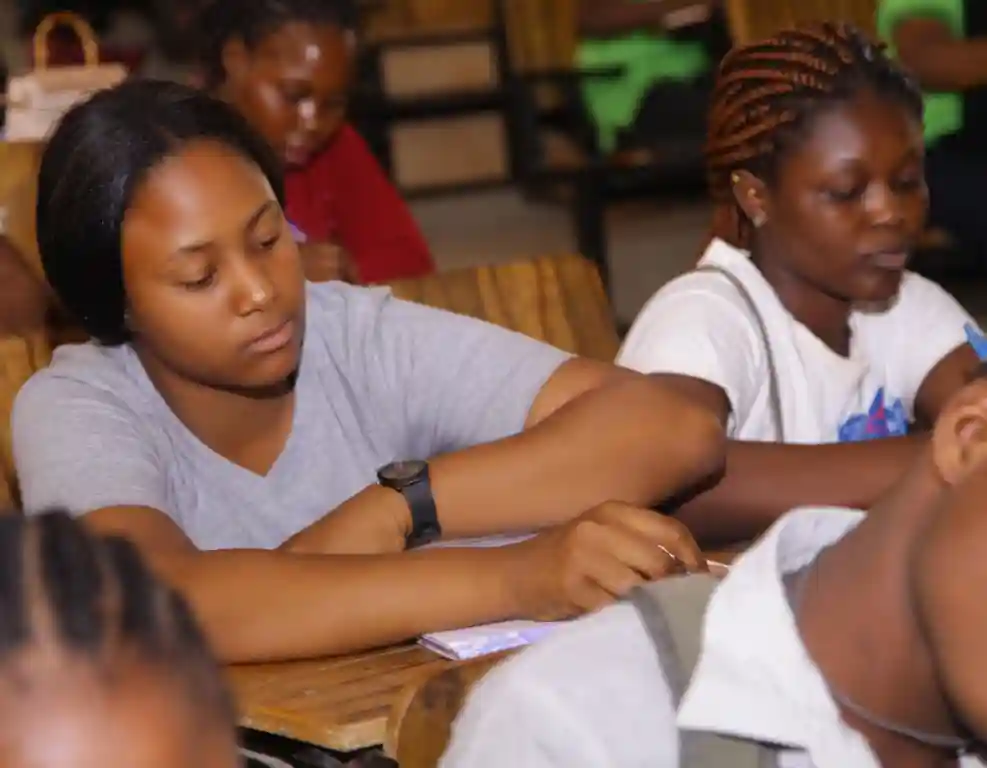
Teacher training should be strengthened. Technology should also be integrated into teaching where appropriate. Practical and student-centred learning should be encouraged.
Limited Access to Technology
Digital technology has become increasingly important in modern education. However, many Nigerian students still have limited access to computers, reliable internet services and digital learning platforms.
The digital divide is particularly significant in rural and low-income communities. Students without digital access may be disadvantaged academically and professionally.
Affordable internet access should be expanded. Schools should be equipped with functional computer facilities, while digital literacy programmes should be introduced for both teachers and students.
Examination Malpractice
Examination malpractice remains a threat to the credibility of Nigeria’s education system. It can encourage students to seek certificates without acquiring the required knowledge and skills.
The problem is often associated with intense pressure to obtain high grades and secure admission or employment.
Schools should promote genuine learning rather than excessive emphasis on examination scores. Examination bodies should continue to strengthen monitoring systems, while students should be educated about the long-term consequences of academic dishonesty.
Weak Policy Implementation
Nigeria has introduced several education policies and reforms over the years. However, effective implementation has often remained a challenge.
Good policies can produce limited results when funding is inadequate, responsibilities are unclear or monitoring is weak. Frequent changes in policy direction can also affect long-term planning.
Education policies should be designed with clear targets and measurable outcomes. Implementation should be monitored regularly. Federal, state and local authorities should also work more closely to improve accountability.
Way Forward for Education in Nigeria
The challenges affecting education in Nigeria require a coordinated response. Sustainable funding should be provided, while resources should be distributed according to actual needs.
Teachers should be properly trained, motivated and supported. Schools should be made safer and better equipped. Technology should be expanded, especially in underserved communities.
Poverty-related barriers should also be reduced through scholarships, feeding programmes and other interventions. At the same time, vocational and technical education should be strengthened to provide students with practical skills for employment and entrepreneurship.
Parents, teachers, government agencies, private organisations and communities all have important roles to play. Greater accountability should be demanded at every level of the education system.
The future of Nigeria’s education depends on how effectively these challenges are addressed. Quality education should not be treated as a secondary priority. It should be regarded as a national investment because better schools, better teachers, safer learning environments and equal educational opportunities will help produce the skilled, innovative and responsible citizens needed for Nigeria’s development.
Leave a Reply