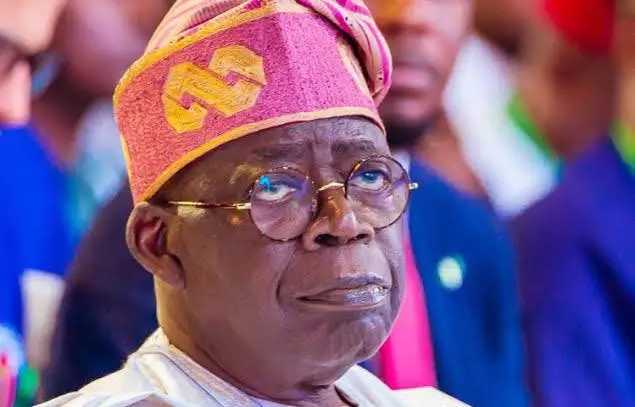
The ever-evolving political and economic landscape of Nigeria, one leader who has been creating significant waves is President Bola Tinubu.
The budgetary trends of past administrations, coupled with the bold economic reforms under Tinubu, offer a compelling picture of fiscal responsibility and economic growth.
Felix Omoko blog post break down the key aspects of Nigeria’s budgetary history, with a focus on the notable differences under President Tinubu’s leadership, and project the country’s economic outlook in the coming years.
Historical Budget Overview: A Comparison of Past Governments
To truly appreciate the transformative changes under President Tinubu, we first need to examine the budgetary trends of previous administrations.
2007: Obasanjo’s Final Budget
- Total Budget: $18 billion
- Borrowing: $5 billion
- Revenue: $13 billion
In 2007, under President Olusegun Obasanjo, Nigeria’s budget was $18 billion. However, borrowing stood at $5 billion, which amounted to a significant portion of the overall budget. Revenue generation was fairly modest at $13 billion, underscoring the challenges Nigeria faced in increasing government revenue.
2015: Jonathan’s Budget
- Total Budget: $22 billion
- Borrowing: $9 billion
- Revenue: $13 billion
Fast forward to 2015, under President Goodluck Jonathan, the budget saw an increase to $22 billion, but Nigeria’s reliance on borrowing grew significantly, with the government borrowing $9 billion. Despite the larger budget, revenue remained stagnant at $13 billion, indicating a continued inability to fully harness the country’s financial potential.
2023: Buhari’s Budget
- Total Budget: $47 billion
- Borrowing: $25 billion
- Revenue: $22 billion
Under President Muhammadu Buhari in 2023, Nigeria’s budget swelled to $47 billion. However, the country was forced to borrow a staggering $25 billion to fund the budget, highlighting an unsustainable fiscal policy.
Despite the substantial increase in the total budget, revenue only grew modestly to $22 billion, continuing the trend of high borrowing and low domestic revenue.
2025: Tinubu’s Budget:
- Total Budget: $34 billion
- Borrowing: $6 billion
- Revenue: $28 billion (Subject to National Assembly approval)
Fast forward to 2025, under President Bola Tinubu, we observe a remarkable shift. The total budget is $34 billion, a decrease from Buhari’s final budget.
However, the key highlight is the drastic reduction in borrowing to just $6 billion, a remarkable 75% reduction compared to Buhari’s borrowing in 2023.
Additionally, revenue generation has seen a substantial increase to $28 billion — a 30% growth in just two years.
This signifies a remarkable achievement in economic management, especially after the challenges of the previous administration.
Tinubu’s Reforms: Reducing Borrowing and Increasing Revenue
The budgetary analysis reveals a stark contrast between President Tinubu’s economic policies and those of his predecessors. The reduction in borrowing by 75% and the 30% increase in revenue in just two years reflect his successful reforms.
1. Revenue Generation: President Tinubu has focused on diversifying Nigeria’s revenue sources, reducing the country’s dependency on oil, and boosting non-oil revenue streams, such as taxes, customs duties, and other forms of domestic income. This has paid off, as seen in the significant increase in revenue generation.
2. Fiscal Discipline: Tinubu has implemented stricter fiscal policies, ensuring that the government avoids unnecessary borrowing. This is a crucial step in stabilizing the economy and reducing Nigeria’s debt burden, which had been rapidly increasing under previous administrations.
3. Diversification of the Economy: By investing in infrastructure, agriculture, and technology, Tinubu is creating avenues for long-term economic growth that do not rely solely on oil revenues. This helps mitigate the negative impacts of fluctuating oil prices and global market conditions.
Challenges and Opportunities Ahead
While the progress made under President Tinubu is encouraging, Nigeria is still facing significant challenges, including inflation and food shortages.
The following points will shape the country’s economic trajectory:
1. Inflation and Food Security: Inflation remains a key challenge, driving up the cost of living and exacerbating food insecurity. The government must continue its efforts to stabilize the Naira, increase agricultural productivity, and address supply chain bottlenecks to ensure food security.
2. Sustainability of Growth: While the reforms have led to an increase in revenue and a reduction in borrowing, sustaining these improvements will require continued policy consistency, transparency, and effective governance. Ensuring that economic growth translates into jobs and improved living standards is vital.
3. Foreign Investment: President Tinubu’s reforms and the reduction in borrowing are likely to create a more attractive environment for foreign investors. Continued investments in infrastructure, human capital, and technology will drive economic diversification and long-term stability.
Projection for the Coming Years: In the next few years, if President Tinubu continues his trajectory of fiscal prudence, Nigeria could see:
- Increased Economic Growth: The country’s focus on non-oil sectors, coupled with improved infrastructure and human capital development, could result in sustained economic growth.
- Better Debt Management: The reduction in borrowing will provide Nigeria with more fiscal space, enabling the government to invest in key sectors such as education, health, and technology, without the overhang of excessive debt.
- Improved Living Standards: By addressing inflation and food security, there is potential for improved living conditions for Nigerians, especially if economic growth translates into job creation and higher wages.
The transformation under President Tinubu’s leadership has been remarkable, as evidenced by the substantial increase in revenue and the sharp reduction in borrowing.
However, challenges remain, particularly concerning inflation and food security. Moving forward, Tinubu’s ability to maintain fiscal discipline while fostering economic diversification will be key in ensuring a brighter future for Nigeria.
The reforms put in place are the foundation of a more resilient economy — one that, with continued careful management, could significantly improve the lives of Nigerians in the years to come.
Leave a Reply