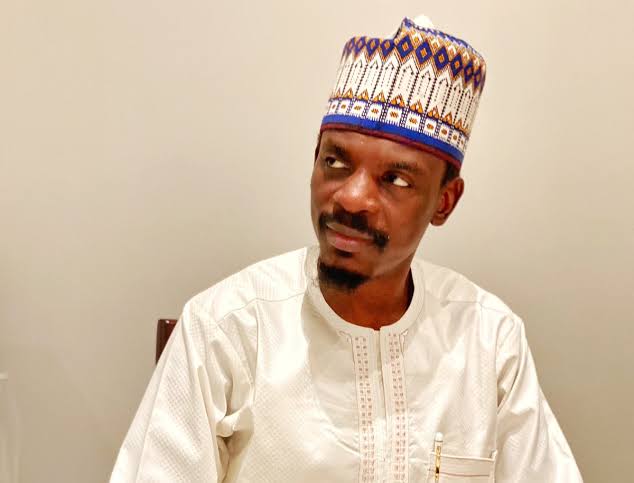
Bashir Ahmad, former presidential aide and prominent Northern figure has emphasized a critical point about the ongoing stigma faced by the people of Northern Nigeria.
He declared, “We are not Boko Haram; we are the victims of Boko Haram.” This sentiment is not only an assertion of the region’s innocence but also a powerful reminder of the suffering endured by millions of Northerners at the hands of the terrorist group.
Boko Haram’s Devastation in Northern Nigeria
For over a decade, Boko Haram wreaked havoc across the northeastern region of Nigeria, leaving in its wake a trail of destruction and unimaginable loss. It is well-documented that the victims of the insurgency have been predominantly Northerners, particularly Muslims, who suffered the brunt of the violence.
1. Mass Kidnappings and Killings: Boko Haram’s reign of terror included the abduction of thousands of young girls, women, and men. The infamous kidnapping of the Chibok girls in 2014, in which over 200 girls were taken from their school, is just one example of the many kidnappings orchestrated by the group.
The North, especially the northeastern states, witnessed widespread massacres, bombings, and attacks that claimed the lives of countless innocent people.
2. Economic Destruction: The group’s attacks targeted more than just human lives. Boko Haram destroyed farms, businesses, and vital infrastructure. Many local farmers were forced off their land, disrupting agriculture — the primary source of livelihood in the region.
Thousands of businesses were bombed, leaving communities financially crippled. These acts of destruction had devastating effects on the region’s economy and the livelihoods of its people.
3. Displacement and Fear: Entire communities were displaced due to the ongoing violence. Villages were burned, schools were shut down, and families were forced to flee their homes to seek refuge in safer areas. The fear instilled by Boko Haram made everyday life a struggle for the people of the North.
The Stigma: Misunderstanding and Prejudice
Despite the overwhelming evidence that Northerners were the primary victims of Boko Haram’s terror, there are still many who perpetuate harmful stereotypes. These prejudices often label entire communities or even regions as either members or sympathizers of Boko Haram.
Bashir Ahmad’s statement on X addresses this misconception head-on. He highlights that the people of the North have consistently rejected Boko Haram from its early stages and have been at the forefront of the fight against terrorism. This includes both grassroots efforts and collaboration with the Nigerian military to rid the region of the insurgents.
The truth is that the North has suffered deeply because of Boko Haram. It is important to understand that many Northerners have lost loved ones, seen their businesses destroyed, and witnessed the collapse of their communities as a direct result of the group’s actions. They are survivors of terrorism, not its supporters.
The Collective Effort to Overcome Terrorism
It is crucial to recognize the collective efforts made by Northerners in combating Boko Haram. The region has not been passive in this fight. Northern leaders, local communities, and security forces have all played a role in resisting the insurgency, even at great personal and communal cost.
Many Northern soldiers and civilians have lost their lives in the war against Boko Haram. The region has been home to countless refugees, and it is unfair to label those who have endured this hardship as anything but victims.
Bashir Ahmad’s call to differentiate between Boko Haram and the people of the North is not just a plea for justice, but an urgent reminder to the world. Northerners, like all Nigerians, want peace, security, and prosperity.
They deserve to be recognized for their resilience in the face of terrorism, not blamed or stigmatized for the actions of a violent few.
As Nigeria continues to rebuild in the aftermath of Boko Haram’s terror, it is essential that we all approach the issue of insurgency with empathy, understanding, and a commitment to ending the cycle of violence and prejudice. The people of the North are not Boko Haram; they are the victims who have fought and continue to fight for a better future.
This post by Felix Omoko Blog highlights the perspective that Northerners, particularly Muslims, have been victims of Boko Haram terrorism and not sympathizers or supporters. It calls for greater understanding and unity in the face of prejudice and misrepresentation.
Leave a Reply