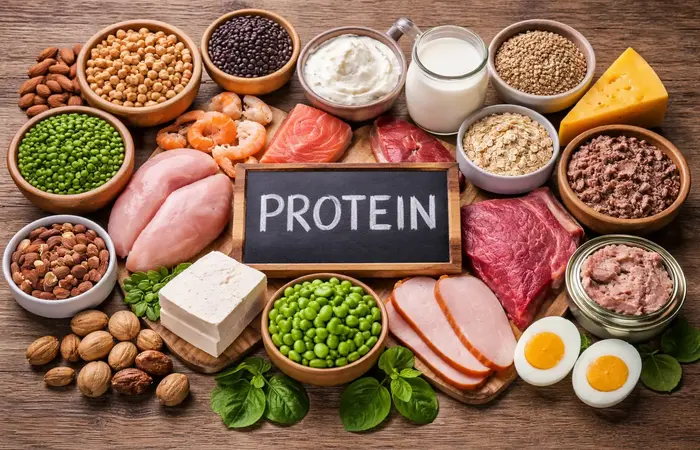
Protein is one of the most essential nutrients the body needs for growth, repair, and overall health. It plays a key role in building muscles, producing enzymes and hormones, and supporting the immune system. Consuming adequate protein from both plant and animal sources helps maintain balanced nutrition and improves body function.
While animal products are often considered complete proteins, many plant foods also provide substantial protein and valuable nutrients such as fibre, vitamins, and minerals.
Below are twenty of the most protein-rich foods drawn from both plant and animal sources.
Animal-Based Protein Foods
1. Eggs
Eggs are one of the most complete and affordable sources of protein. A single egg provides about 6 grams of high-quality protein along with essential vitamins such as vitamin B12 and vitamin D. They are also versatile and can be prepared in many ways.
2. Chicken Breast
Chicken breast is widely known for its high protein content and low fat. A 100-gram serving can provide about 31 grams of protein, making it a favourite choice for athletes and fitness enthusiasts.
3. Fish (Salmon)
Salmon is not only rich in protein but also packed with omega-3 fatty acids that support heart health. A typical serving provides about 20–22 grams of protein.
4. Lean Beef
Lean beef supplies around 26 grams of protein per 100 grams. It also contains iron, zinc, and vitamin B12, which are important for energy production and red blood cell formation.
5. Turkey
Turkey meat is another excellent protein source. It provides around 25–29 grams of protein per 100 grams and is commonly recommended for healthy diets.
6. Milk
Milk contains around 8 grams of protein per cup. It also provides calcium, phosphorus, and vitamin D, which support strong bones and teeth.
7. Greek Yoghurt
Greek yoghurt is thicker and higher in protein than regular yoghurt. A serving may contain 15–20 grams of protein, making it ideal for breakfast or snacks.
8. Cheese
Cheese varieties such as cheddar or mozzarella contain significant amounts of protein. A 100-gram portion can provide about 25 grams of protein.
9. Tuna
Tuna is a lean fish rich in protein and low in calories. A serving offers roughly 25 grams of protein and is often used in salads and sandwiches.
10. Shrimp
Shrimp provides high-quality protein with very little fat. A 100-gram serving contains about 20 grams of protein and several beneficial minerals.
Plant-Based Protein Foods
11. Beans
Beans such as kidney beans, black beans, and pinto beans are rich plant protein sources. One cup of cooked beans may provide about 15 grams of protein along with fibre that aids digestion.
12. Lentils
Lentils are highly nutritious legumes providing around 18 grams of protein per cooked cup. They are widely used in soups, stews, and traditional dishes.
13. Chickpeas
Chickpeas, also known as garbanzo beans, contain about 14–15 grams of protein per cooked cup. They are commonly used in salads, hummus, and curries.
14. Soybeans
Soybeans are among the richest plant protein foods, delivering about 28 grams of protein per cooked cup. They are used to produce tofu, soy milk, and other plant-based products.
15. Tofu
Tofu is made from soybeans and is a popular protein substitute for meat. A typical serving provides around 10–15 grams of protein.
16. Peanuts
Peanuts are protein-rich legumes often consumed as snacks. A 100-gram serving provides roughly 25 grams of protein along with healthy fats.
17. Almonds
Almonds contain about 21 grams of protein per 100 grams and are also rich in vitamin E, magnesium, and antioxidants.
18. Pumpkin Seeds
Pumpkin seeds are nutrient-dense and provide approximately 19 grams of protein per 100 grams, along with healthy fats and minerals like zinc.
19. Quinoa
Quinoa is a unique grain that contains all nine essential amino acids, making it a complete plant protein. One cooked cup provides about 8 grams of protein.
20. Oats
Oats contain more protein than many other grains. A cup of cooked oats provides about 6 grams of protein along with fibre that supports heart health.
A balanced diet should include a variety of protein sources from both plants and animals. Animal-based proteins often supply complete amino acids and important nutrients such as vitamin B12 and iron.
On the other hand, plant-based proteins contribute fibre, antioxidants, and beneficial compounds that support long-term health. By combining these foods in daily meals, individuals can meet their protein needs while maintaining overall nutritional balance.
Leave a Reply