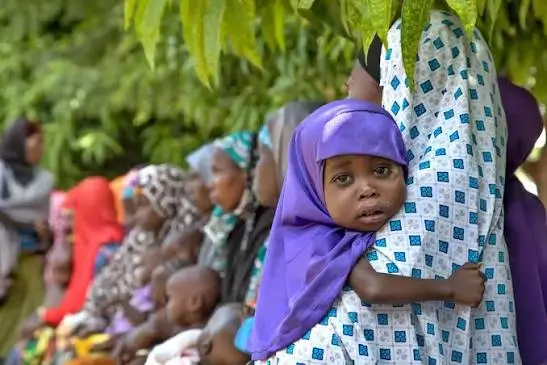
Education has remained one of the most effective tools for improving child welfare and promoting sustainable national development. Recent initiatives aimed at expanding access to quality education in Northern Nigeria have attracted widespread attention, reflecting a growing commitment to addressing learning gaps, improving school attendance and creating brighter opportunities for young people. As these efforts continue, stakeholders are emphasising the importance of ensuring that every child has the opportunity to learn in a safe and supportive environment.
Expanding Access to Quality Learning
Improving access to education requires more than constructing new classrooms. Greater attention has been given to recruiting qualified teachers, supplying modern learning materials and creating environments where children can thrive academically. Community participation has also been recognised as an essential factor in encouraging school enrolment and reducing dropout rates.
Addressing Barriers to School Attendance
Many children continue to face obstacles that limit their educational opportunities, including poverty, insecurity, early marriage and inadequate school infrastructure. Addressing these challenges requires coordinated efforts involving government agencies, development partners, community leaders and parents. Financial support programmes and school feeding initiatives have also contributed to encouraging regular attendance.
The Role of Technology in Modern Education
Digital technology is increasingly transforming the educational landscape across Nigeria. Online learning platforms, digital classrooms and interactive teaching resources are helping to improve the quality of instruction while expanding access to knowledge. Continued investment in internet connectivity and digital literacy will enable more students to benefit from these innovations.
Investing in the Nation’s Future
Education remains a long-term investment with far-reaching social and economic benefits. Well-educated children are more likely to contribute positively to their communities, secure meaningful employment and participate actively in national development. Sustained investment in educational infrastructure, teacher training and inclusive learning policies will strengthen Nigeria’s human capital for generations to come.
Strengthening child welfare through education is not solely the responsibility of government. Families, communities, civil society organisations and the private sector all have important roles to play in ensuring that every child receives a quality education. By maintaining this shared commitment, Nigeria can build a more skilled, productive and prosperous society where every young person has the opportunity to realise their full potential.
Leave a Reply