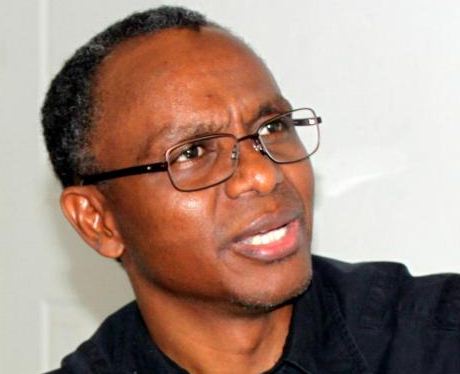
The political te in Nigeria has been rocked by the recent defection of Nasir El-Rufai, the former governor of Kaduna State, from the All Progressives Congress (APC). El-Rufai’s departure from the party, which he helped build into a dominant political force over the last decade, has raised concerns about the future stability of President Bola Tinubu’s administration as it faces the looming 2027 elections.
El-Rufai’s Role in APC and Nigerian Politics
Nasir El-Rufai is a prominent figure in Nigerian politics, known for his political acumen and his significant role in the formation and rise of the APC. Serving two terms as the governor of Kaduna State from 2015 to 2023, El-Rufai earned a reputation as a reformist with a strong stance on infrastructural development, governance, and security. His influence within the APC was undeniable, with his close ties to key party figures, including President Bola Tinubu, further solidifying his place in the party’s leadership.
However, El-Rufai’s political relationship with Tinubu and other top APC figures has recently become strained. The former governor’s defection signals a deeper rift within the party, and his exit could have major ramifications for the APC’s cohesion and its prospects in the 2027 general elections.
Reasons Behind El-Rufai’s Defection
While El-Rufai has not provided a detailed explanation for his decision to leave the APC, there are several factors that may have influenced his move. First, El-Rufai has long been seen as a political pragmatist, often aligning himself with whoever he believes will further his agenda. His departure could signal dissatisfaction with Tinubu’s leadership, as many observers point to growing divisions within the party since Tinubu assumed office in May 2023.
It’s also important to consider the internal power struggles within the APC. As a party that has seen rapid expansion and competition for control over key offices and political influence, the APC has increasingly become a battleground for competing factions. El-Rufai’s defection may be a result of feeling marginalized or sidelined in the current power structure, particularly as Tinubu consolidates his hold on the presidency.
Impact on Tinubu’s Government and the 2027 Elections
El-Rufai’s exit from the APC represents a potential blow to President Tinubu’s government, especially as the party prepares for the high-stakes 2027 elections. El-Rufai’s extensive political network, particularly in the northern region, was a key asset for the APC’s success in the 2023 elections. His defection could lead to the loss of crucial support in the north, which is a vital region for securing electoral success in Nigeria.
The fallout from El-Rufai’s departure may also embolden other disillusioned APC members, potentially triggering a wave of defections or dissent within the party ranks. This could weaken Tinubu’s ability to effectively govern and rally the party ahead of the next elections. A fractured APC, particularly in the lead-up to 2027, could create space for opposition parties to capitalize on internal divisions and gain significant ground.
The Potential Consequences for APC’s Unity
The defection of a high-profile figure like El-Rufai raises questions about the future unity of the APC. While the party has been a dominant political force since its formation, the departure of influential leaders could lead to a fragmentation of the party’s base. This could result in infighting, with factions within the party vying for control and influence. Such a scenario could distract from the party’s agenda and weaken its electoral prospects.
In addition to the internal party challenges, El-Rufai’s departure could embolden opposition parties, particularly those who see an opportunity to exploit APC’s vulnerabilities. The PDP (People’s Democratic Party) and other smaller parties may be keen to attract disillusioned APC members, using El-Rufai’s defection as evidence of the ruling party’s instability.
The Road to 2027
El-Rufai’s defection from the APC has thrown a wrench into President Tinubu’s political calculations ahead of the 2027 elections. The defection could deepen existing divisions within the party, potentially weakening the APC’s chances of retaining power. For now, all eyes are on El-Rufai to see if he will align with another party, further fracturing the political landscape, or if he will remain on the sidelines until the 2027 election cycle.
The fallout from this defection is a reminder of the fragile nature of political alliances in Nigeria, where power struggles, personal ambitions, and shifting loyalties can change the course of the nation’s political future.
Leave a Reply