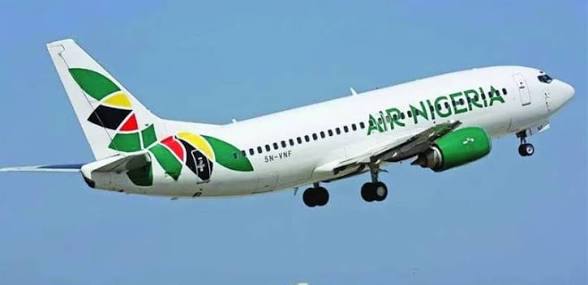
Domestic air fight costs from Abuja to Warri and several other South-South and South-East destinations have surged sharply, with ticket prices rising to as much as N500,000 during the ongoing yuletide season. The development has sparked widespread concern among travelers, particularly as many Nigerians rely heavily on air transport at this time of year to reconnect with family and loved ones.
The steep increase in fares coincides with a notable rise in flight operations to the South-South and South-East regions under the leadership of Minister of Aviation and Aerospace Development, Festus Keyamo, in the administration of President Bola Ahmed Tinubu. According to industry observations, flight schedules to these regions have expanded by more than 80 percent during the festive period, reflecting an unprecedented surge in passenger demand.
A major factor driving this shift is the growing insecurity on major highways linking the North to the southern parts of the country. Incidents of kidnapping, armed robbery, and violent attacks have made long-distance road travel increasingly risky, prompting many Nigerians to abandon buses and private vehicles in favor of air travel, despite the higher cost. For many travelers, safety has become a more compelling consideration than affordability.
The yuletide season traditionally records the highest volume of domestic travel, as workers, traders, students, and families return home to celebrate Christmas and the New Year. This year’s travel pattern, however, appears more intense, particularly for South-South and South-East routes, which have seen a sharp rise in passenger traffic from Abuja and other major cities. Airlines, responding to the demand, have increased frequencies, added extra flights, and in some cases deployed larger aircraft where available.
While the increase in flight schedules has improved connectivity and reduced the likelihood of complete seat shortages, it has also exposed structural challenges within Nigeria’s aviation sector. Limited aircraft availability, high operating costs, aviation fuel expenses, maintenance obligations, and foreign exchange pressures continue to affect airlines’ pricing strategies. As demand outpaces supply during peak periods, fares naturally climb, leaving many travelers priced out.
For passengers, the N500,000 fare on certain routes represents more than a seasonal inconvenience. It underscores the growing inequality in access to safe transportation, where air travel is becoming increasingly exclusive. Civil servants, small business owners, and middle-income earners who depend on affordable travel options are among those most affected, often forced to either postpone travel or take calculated risks on the roads.
The Federal Government’s push to improve aviation infrastructure and expand domestic routes has been welcomed, particularly in regions that historically suffered from limited air connectivity. The current surge in flights to the South-South and South-East demonstrates the sector’s capacity to respond to demand when conditions align. However, the affordability question remains unresolved and continues to dominate public discourse.
As the festive season progresses, stakeholders are calling for balanced measures that protect passenger safety, encourage airline sustainability, and ensure fair pricing. Many Nigerians hope that beyond the yuletide rush, broader security improvements on highways and long-term reforms in the aviation sector will restore confidence in multiple modes of travel, reducing the pressure that drives airfares to extreme levels.
Leave a Reply