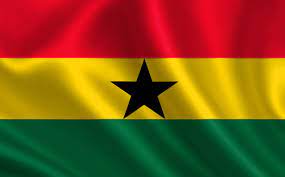
The development story of Ghana reflects a nation that continues to shape its future through economic reforms, social investment and cultural pride. In recent decades, Ghana has built a reputation as one of West Africa’s more stable democracies while pursuing growth across key sectors such as industry, education and public health. This article provides a concise overview of the country’s progress, examining its economic structure, healthcare system, educational development, sporting achievements, political administration and rich cultural identity. Together, these elements illustrate how Ghana is positioning itself for long-term national advancement while maintaining strong traditions and public institutions.
Economic growth and national development
The economy of Ghana has experienced steady transformation over the past two decades, driven largely by natural resources, agriculture, services and emerging industrial activity. Cocoa production remains one of the country’s most important exports, while gold mining and oil production have significantly contributed to national revenue. Successive governments have attempted to diversify the economy to reduce dependence on raw commodities and encourage value-added manufacturing.
Infrastructure development has also been a priority, particularly in transport, power generation and digital connectivity. Improvements in road networks and port facilities have helped facilitate trade across West Africa. At the same time, policies aimed at supporting small and medium-sized enterprises continue to shape employment opportunities. Despite challenges such as inflation and currency fluctuations, Ghana maintains a reputation as one of the region’s more resilient economies with growing interest from international investors.
Healthcare system and public wellbeing
Public health services have expanded significantly in recent years as Ghana continues efforts to improve access to healthcare across urban and rural communities. The National Health Insurance Scheme has played an important role in reducing financial barriers to medical treatment for millions of citizens. Hospitals, regional clinics and community health centres form the backbone of the healthcare delivery system.
However, the country still faces challenges such as uneven distribution of medical professionals, limited specialised facilities and funding pressures within the health sector. Government initiatives and partnerships with international organisations are helping to strengthen maternal care, vaccination programmes and disease prevention strategies. These measures contribute to improving life expectancy and overall wellbeing among the population.
Education and human capital development
Education remains a cornerstone of national development policy. Ghana has introduced several reforms to expand access to schooling at both basic and secondary levels. One of the most widely discussed initiatives in recent years has been the expansion of free secondary education, which significantly increased enrolment rates across the country.
Universities and technical institutions are also growing in importance as the government encourages science, technology and vocational training. The aim is to develop a skilled workforce capable of supporting industrialisation and innovation. While challenges remain in areas such as classroom infrastructure and teacher training, education continues to be recognised as a critical pathway for economic mobility and national progress.
Sports achievements and national pride
Sport plays a powerful role in shaping national identity and unity. Football remains the most popular sport, with passionate supporters following both domestic clubs and international competitions. Ghana’s national football team, popularly known as the Black Stars, has achieved notable success in African tournaments and has represented the country on the global stage during several World Cup competitions.
Beyond football, athletes from Ghana have also excelled in boxing, athletics and other sporting disciplines. Sporting achievements often inspire young people and strengthen a sense of national pride. Investment in youth academies and sports infrastructure continues to grow as authorities recognise the role of athletics in community development and international recognition.
Governance, institutions and cultural heritage in Ghana
The political system of Ghana operates under a constitutional democracy with regular elections and a multi-party structure. Since the early 1990s, peaceful transitions of power have strengthened confidence in democratic institutions and governance. Parliament, the judiciary and independent oversight bodies contribute to maintaining accountability and the rule of law.
Cultural traditions remain deeply embedded in everyday life across Ghana. Festivals, traditional leadership structures and artistic expressions continue to play vital roles in community identity. Music, dance, storytelling and colourful ceremonies highlight the diversity of ethnic groups throughout the country.
At the same time, modern urban culture is evolving rapidly in major cities such as Accra and Kumasi. Contemporary art, film, fashion and digital creativity are gaining international attention. This dynamic blend of heritage and modernity illustrates how Ghana continues to celebrate its history while adapting to global cultural influences.
Across multiple sectors, Ghana demonstrates the complex balance between development, governance and cultural continuity. Economic expansion, improved education access, strengthening health systems and vibrant sporting achievements all contribute to shaping the country’s national trajectory.
Leave a Reply