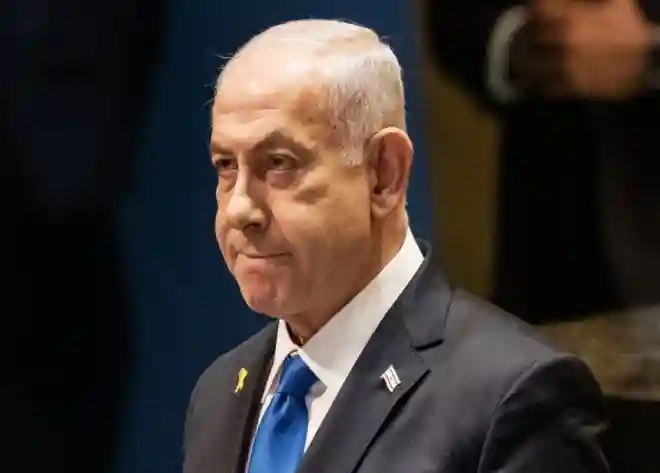
The International Criminal Court (ICC) has issued arrest warrants for Israeli Prime Minister Benjamin Netanyahu and former Defense Minister Yoav Gallant, citing their alleged involvement in war crimes against humanity. This decision comes amid ongoing tensions and conflict in the region, raising profound implications for international law and diplomatic relations.
The warrants were issued as part of the ICC’s broader investigation into actions taken during recent military operations in Gaza, where numerous civilian casualties and widespread destruction have been reported. The court’s findings suggest that Netanyahu and Gallant played pivotal roles in orchestrating military strategies that resulted in substantial harm to civilian populations, which the ICC views as a violation of international humanitarian law.
The charges against Netanyahu and Gallant are rooted in accusations of disproportionate use of force and the targeting of civilian infrastructure during military operations. The ICC has emphasized that accountability for such actions is essential in upholding the principles of justice and protecting human rights. The issuance of arrest warrants serves as a stark reminder of the court’s mandate to address grave crimes that threaten global peace and security.
This decision has sparked a flurry of reactions from various stakeholders. Supporters of the ICC’s actions argue that it represents a crucial step toward justice for victims of the conflict, highlighting the need for accountability in situations where state leaders may evade responsibility for their actions. They contend that such measures are vital for deterring future atrocities and ensuring that humanitarian laws are respected.
Conversely, the Israeli government has vehemently rejected the ICC’s jurisdiction over its actions, labeling the warrants as politically motivated and an infringement on national sovereignty. Israeli officials assert that the country has a right to defend itself against threats, particularly from militant groups operating in Gaza, and argue that their military operations are conducted in accordance with international law.
The situation presents a complex interplay between international justice, state sovereignty, and the ongoing humanitarian crisis in the region. The warrants not only escalate tensions between Israel and the ICC but also highlight the challenges of enforcing international law in conflict zones where power dynamics are fluid, and the risks to civilian populations are high.
As the ICC moves forward with its investigations, the global community will be watching closely. The court’s ability to uphold justice in this case could have far-reaching implications for future military engagements and the accountability of leaders worldwide. Furthermore, it raises essential questions about the effectiveness of international mechanisms in addressing war crimes and protecting vulnerable populations in times of conflict.
The issuance of arrest warrants for Prime Minister Netanyahu and former Defense Minister Gallant marks a critical juncture in the pursuit of justice for alleged war crimes. It underscores the ICC’s commitment to holding leaders accountable while simultaneously highlighting the complexities and challenges faced in achieving peace and stability in the region. As this situation unfolds, it will likely continue to evoke strong reactions and provoke debate about the role of international law in contemporary conflicts.
Leave a Reply