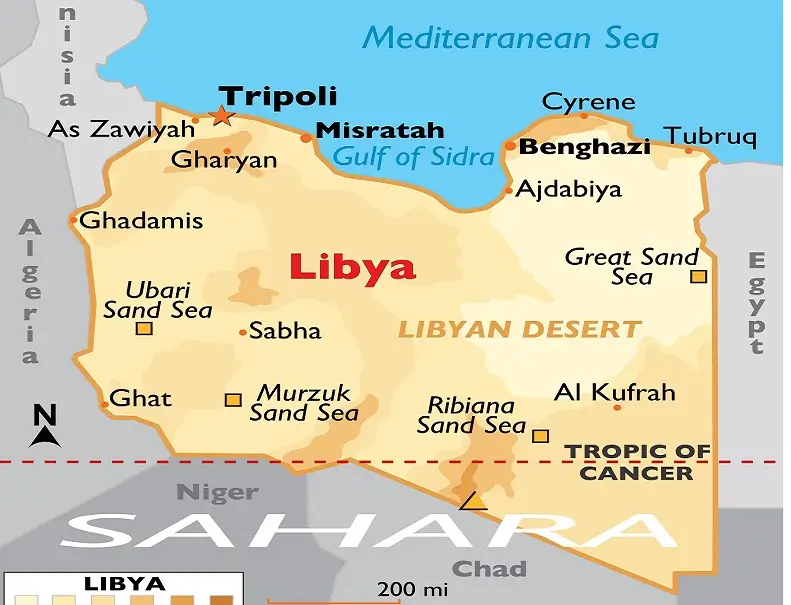
Libya continues to attract regional and international attention because of its efforts to strengthen the government, rebuild the economy, improve health services and expand technology for sustainable employment. The country remains one of the Africa countries with significant mineral resources and strategic importance. Greater attention has been given to the rule of law, while national institutions have been strengthened to improve public confidence. Interest in the list of current and past leaders and the significance of independence day has also remained high as citizens and observers assess national progress.
Government reforms and national leadership
The government has continued to introduce measures intended to improve stability and encourage public confidence. Greater emphasis has been placed on the rule of law so that institutions can operate more effectively. Across many Africa countries, governance standards are often compared, and Libya has remained part of those discussions.
Public administration has been reviewed to encourage accountability and transparency. The management of mineral resources has also been regarded as a priority because national income depends heavily on energy production. The economy has been supported through reforms designed to improve investment and public finance.
Many people continue to search for the list of current and past leaders to understand the country’s political history and leadership transitions. National celebrations during independence day are also regarded as opportunities to reflect on achievements and future goals. Technology has increasingly been adopted by the government to improve public services and administrative efficiency.
Economic growth and employment opportunities
The economy has gradually been supported by increased energy production and improved commercial activities. Revenue generated from mineral resources has continued to play a significant role in national development. Several Africa countries have strengthened economic partnerships with Libya through trade and investment initiatives.
Employment opportunities have been expanded in sectors including:
- Oil and gas
- Construction
- Agriculture
- Health services
- Technology industries
The government has encouraged private sector participation to reduce unemployment and strengthen the economy. Greater investment has also been directed towards technology, creating opportunities for young professionals and skilled workers. The rule of law has been recognised as an essential requirement for attracting investors and protecting businesses.
Libya health and technology development
Libya has continued to invest in health infrastructure as healthcare delivery is improved across different regions. New facilities have been developed while existing hospitals have been upgraded. Technology has been integrated into medical services to improve patient management and healthcare efficiency.
The government has encouraged partnerships with international organisations to strengthen health programmes. Several Africa countries have cooperated with Libya on disease control, medical training and research initiatives. The economy has benefited as healthier communities contribute more effectively to national productivity.
Better management of mineral resources has provided additional funding for public health projects. Respect for the rule of law has also supported fair access to healthcare services. During independence day activities, achievements in health and technology are frequently highlighted to showcase national development.
Mineral resources and national development
The country’s mineral resources remain among its greatest economic strengths. Oil and natural gas continue to generate substantial national revenue, supporting the economy and funding development projects. The government has prioritised responsible resource management to ensure long-term sustainability.
Technology has been introduced to improve exploration, production and environmental monitoring. Several Africa countries have explored opportunities for cooperation in energy development and infrastructure projects. Compliance with the rule of law has remained essential in regulating investments and protecting national interests.
The list of current and past leaders demonstrates how different administrations have influenced resource policies and economic planning. Independence day celebrations also provide opportunities to reflect on how mineral resources have contributed to national growth.
Future outlook for employment and development
Employment prospects are expected to improve as the economy continues to diversify beyond the energy sector. The government has been encouraged to expand investment in education, health and technology so that more skilled workers can be prepared for future industries. Cooperation with Africa countries is expected to strengthen regional trade and economic integration.
The responsible management of mineral resources will remain essential for sustainable development. Continued respect for the rule of law is expected to strengthen investor confidence and promote long-term stability. Interest in the list of current and past leaders will continue as citizens evaluate national progress, while independence day will remain an important reminder of the country’s journey towards unity, development and prosperity. Libya is expected to benefit further as the government, economy, health, technology and employment sectors continue to advance together for the benefit of all citizens.
Leave a Reply