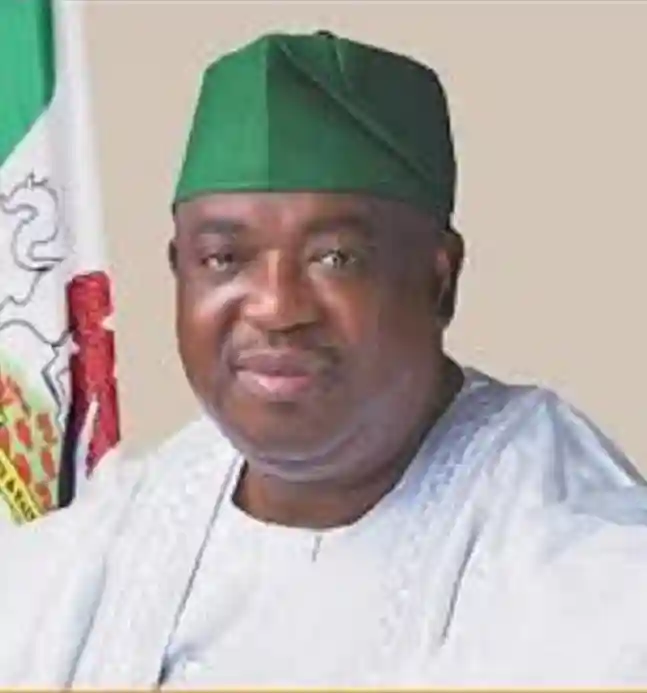
Governor Caleb Mutfwang has emerged as a central figure in reshaping Plateau State’s political landscape by fostering unity among previously divided political forces. In a state long characterized by intense political rivalries, ethnic sensitivities, and shifting alliances, Mutfwang’s approach has focused on dialogue, inclusion, and strategic engagement across party and community lines. His efforts have gradually reduced political tension and created a framework for cooperation that emphasizes stability and shared governance.
Plateau’s History of Political Fragmentation
Plateau State has experienced decades of political fragmentation driven by ethnic diversity, religious differences, and competition among political elites. These divisions often translated into polarized elections, fragile alliances, and governance challenges. Successive administrations struggled to build lasting consensus, with political actors frequently prioritizing narrow interests over collective progress. This background made the task of uniting Plateau’s political forces both complex and delicate.
Mutfwang’s Entry into the Political Scene
Caleb Mutfwang came into office with a reputation shaped by his previous role as chairman of Mangu Local Government Area and his involvement in grassroots politics. His campaign emphasized reconciliation and inclusive leadership, resonating with voters fatigued by division and conflict. Upon assuming office, he signaled a departure from confrontational politics by reaching out to opposition figures and traditional power brokers, setting the tone for a more collaborative governance style.
Building Cross-Party Alliances
One of Mutfwang’s key strategies has been the deliberate cultivation of cross-party relationships. Rather than isolating opposition parties, he engaged their leaders in consultations on policy priorities and security concerns. This approach reduced hostility and encouraged cooperation on issues of common interest, such as peacebuilding and economic development. By involving political rivals in discussions, Mutfwang fostered a sense of shared responsibility for Plateau’s future.
Role of Dialogue and Consensus
Dialogue has been central to Mutfwang’s unifying efforts. He established regular forums where political stakeholders, community leaders, and civil society representatives could openly discuss challenges facing the state. These engagements helped address grievances that had long fueled political tension. Through consensus-building, Mutfwang promoted solutions that reflected broad agreement rather than partisan dominance.
Inclusive Governance and Appointments
Inclusive governance has also played a significant role in uniting Plateau’s political forces. Mutfwang’s administration emphasized balanced appointments that reflected the state’s diverse ethnic and political makeup. By ensuring that various groups saw themselves represented in government, he reduced feelings of marginalization and built trust across communities. This inclusiveness extended to policy implementation, where local input was actively sought.
Managing Security and Stability
Security challenges have historically intensified political divisions in Plateau State. Mutfwang recognized that lasting political unity could not be achieved without addressing insecurity. His administration prioritized collaboration with security agencies and community leaders to promote peace. By framing security as a collective responsibility rather than a political weapon, he further reinforced unity among political actors.
Impact on Governance and Development
The unification of Plateau’s political forces has had tangible effects on governance. Reduced political hostility has improved legislative cooperation and facilitated the passage of key policies. Development initiatives have benefited from a more stable political environment, enabling better coordination between state institutions and local governments. Observers note that this atmosphere of cooperation has strengthened public confidence in government.
Caleb Mutfwang’s efforts to unite Plateau’s political forces reflect a pragmatic and inclusive approach to leadership. By prioritizing dialogue, cross-party engagement, and balanced governance, he has helped ease long-standing divisions and foster a more cooperative political climate.
Leave a Reply