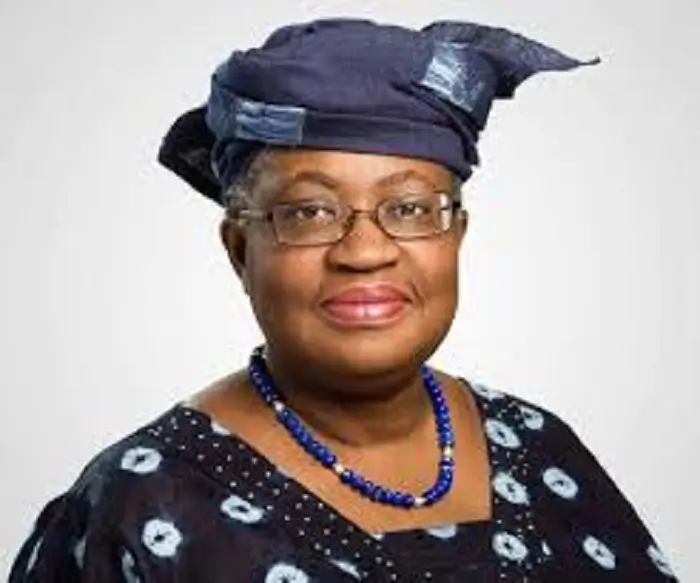
Dr Ngozi Okonjo-Iweala is widely regarded as one of Nigeria’s most accomplished economic leaders and an influential figure in global governance. With a distinguished academic background, decades of experience in public finance, and historic leadership at the World Trade Organization, she has built a reputation for reform-driven policy and principled diplomacy. Her journey from national economic management to the helm of multilateral trade reflects a career defined by competence, resilience and international recognition.
Early Life and Educational Formation
Okonjo-Iweala stands today as one of Nigeria’s most distinguished public servants and international figures. Born in 1954 in Ogwashi-Uku, in present-day Delta State, Okonjo-Iweala was raised in a family that valued scholarship, discipline and public responsibility. Her father was a respected academic and traditional leader, influences that shaped her intellectual orientation and sense of service from an early age.
Her formal education reflects both excellence and global exposure. She attended Queen’s School, Enugu, before proceeding to the United States for higher studies. She earned a Bachelor’s degree in Economics from Harvard University and later completed a PhD in Regional Economics and Development at Massachusetts Institute of Technology. Her academic grounding in development economics would later define her approach to public finance, reform and international negotiations. Throughout her educational journey, she demonstrated a consistent commitment to analytical rigour and policy-oriented research.
Marriage and Family Life
Beyond her professional achievements, Okonjo-Iweala’s personal life reflects stability and resilience. She is married to Dr Ikemba Iweala, a neurosurgeon of Nigerian origin based in the United States. Their marriage has spanned decades, marked by mutual professional accomplishment and a shared dedication to family values.
The couple has four children, all of whom have pursued accomplished careers in their respective fields. Despite her demanding public roles, Okonjo-Iweala has often spoken about the importance of family support in sustaining her through periods of political pressure and intense global responsibility. Her ability to balance high-level international assignments with personal commitments has reinforced her image as both a global technocrat and grounded family figure.
Ministerial Leadership in Nigeria
Okonjo-Iweala’s national prominence rose significantly during her tenure as Nigeria’s Minister of Finance. She first served in this capacity from 2003 to 2006 under the administration of Olusegun Obasanjo. During this period, she spearheaded major economic reforms aimed at improving fiscal discipline, increasing transparency and restructuring public debt.
One of her most notable achievements was leading negotiations that resulted in the historic cancellation of a substantial portion of Nigeria’s external debt by the Paris Club. This agreement significantly reduced Nigeria’s debt burden and improved its fiscal outlook. She later returned as Coordinating Minister for the Economy and Minister of Finance from 2011 to 2015 under Goodluck Jonathan. In this role, she oversaw economic management during a period marked by oil price volatility and structural reform challenges.
Her ministerial career was characterised by advocacy for prudent budgeting, institutional reform and anti-corruption measures. Though not without political resistance, her technocratic approach earned her recognition both domestically and internationally.
Okonjo-Iweala at the WTO
A defining chapter in Okonjo-Iweala’s career emerged with her appointment as Director-General of the World Trade Organization in 2021. In assuming this office, she became the first woman and the first African to lead the organisation. This milestone represented not only a personal achievement but also a symbolic shift in global trade governance.
At the WTO, Okonjo-Iweala has prioritised reform of the multilateral trading system, dispute settlement revitalisation and equitable access to vaccines and medical supplies during global crises. She has advocated for trade as a tool for development, particularly for emerging and least-developed economies. Her leadership style combines technical expertise with diplomatic consensus-building, essential in navigating the complex interests of member states.
Okonjo-Iweala’s tenure has underscored her longstanding belief that economic policy must serve inclusive growth and sustainable development. Her global role has further amplified her influence beyond Nigeria’s borders.
Honours and International Recognition
Over the course of her career, Okonjo-Iweala has received numerous honours and awards in recognition of her contributions to economics and public service. She has been listed repeatedly among the world’s most influential women by leading international publications. Universities across different continents have conferred honorary degrees upon her in acknowledgement of her policy leadership.
Her awards reflect recognition not merely of position, but of sustained impact. From debt relief negotiations to global trade reform, Okonjo-Iweala has consistently operated at the intersection of economics, governance and international diplomacy. These accolades affirm her reputation as a reform-oriented leader committed to transparency and institutional strengthening.
Okonjo-Iweala’s career trajectory illustrates the power of rigorous education, disciplined public service and global engagement. From her early academic achievements to her ministerial stewardship and leadership at the World Trade Organization, she has remained a prominent voice in economic reform.
Leave a Reply