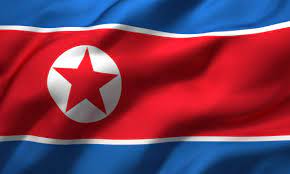
North Korea remains one of the world’s most secretive states, but important facts about its government, society and daily life can be examined. Located in Asia, the country occupies a significant position on the continent and maintains relationships with neighbouring countries. Its history has made it an important security issue on the continent. Its mineral resources, technology, population and economy have also shaped its strategic importance.
1. Government and Political Structure
North Korea is officially called the Democratic People’s Republic of Korea. It operates under a highly centralised political system in which power is concentrated around the Kim family and the Workers’ Party of Korea. The government exercises extensive control over public institutions, media and economic activity. Elections are held, but political competition is not comparable with that found in many other countries.
The country’s political philosophy has been strongly influenced by Juche, which promotes national self-reliance. Its regional role is also discussed widely across Asia and the wider region of Asia. This has affected policy, diplomacy and domestic planning.
2. Technology and National Priorities
Technology is developed under close state supervision, with technical education and research being closely regulated. Internet access for ordinary citizens is heavily restricted, while an internal computer network is available for selected services. Scientific and technical resources have been directed towards telecommunications, computing, industrial projects and military programmes.
Military technology has received particular attention, especially in missile and cyber capabilities. As digital development has become increasingly important across Asia, its development in this state has remained closely connected to national security.
3. Population, Cities and Daily Life
The population is estimated at about 26 million, although exact figures are difficult to establish. Most people live in urban or semi-urban areas, with Pyongyang serving as the principal political and economic centre. The population is predominantly Korean and is relatively homogeneous compared with many countries elsewhere.
Food security, healthcare and employment remain important social concerns. The population has also been affected by natural disasters and economic pressures, which can influence living standards.
4. Currency, Mineral Resources and Economy
The official currency is the North Korean won, commonly abbreviated as KPW. The economy is largely state-directed, with agriculture, manufacturing, mining and military production playing important roles. Informal markets have also become significant sources of everyday goods.
The country possesses valuable mineral resources, including coal, iron ore, graphite and magnesite. These deposits could support industrial growth, but sanctions, infrastructure weaknesses and limited foreign investment have restricted their development. The wider continent has states whose mineral resources attract substantial international investment, making this state’s unused potential notable.
5. Wealth, Influential Elites and Future Prospects
Although widespread economic hardship has been reported, a comparatively privileged elite exists. Senior officials, politically connected traders and successful market operators are believed to have better access to housing, imported products and private services. The group known as the donju has been associated with market-based wealth, although reliable information about individual fortunes is scarce.
The economy remains constrained by sanctions and limited international trade, while these resources could become more valuable if restrictions changed. Its technology may also be expanded for civilian industries. Across the continent, countries have used trade and technology to diversify their economies, but this country faces unusual political and diplomatic barriers.
The most important facts are therefore clear: its government is highly centralised; technology is closely controlled; the population is about 26 million; the currency is the won; mineral resources are substantial; and the economy remains heavily managed. Wealth is concentrated among privileged groups, while ordinary households face more restricted opportunities. These features explain why North Korea continues to attract international attention and why its position in Asia remains strategically important. The country also remains closely watched because decisions affecting trade, security and technical capability can influence neighbouring countries. North Korea’s unusual combination of political control and economic limitation makes it a distinctive case within the continent.
Leave a Reply