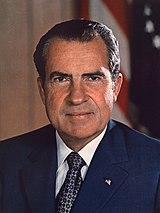
Richard Nixon remains one of the most discussed political figures in modern history. Richard Nixon served as a US President during a period that was marked by major diplomatic breakthroughs and significant political controversy. His administration in the United States of America was remembered for achievements in foreign affairs as well as the Watergate scandal that ultimately led to his resignation.
His personal life, educational background, family values and political career have continued to attract attention across the United States of America and beyond. His years as a US President reflected both remarkable success and extraordinary political difficulties.
Richard Nixon Family, Parents and Education
Richard Nixon was born on 9 January 1913 in Yorba Linda, California, in the United States of America. His parents were Francis Anthony Nixon and Hannah Milhous Nixon. He was raised in a modest Quaker family where discipline, honesty and hard work were strongly encouraged.
His education was completed with outstanding academic performance. He attended Whittier College before earning a law degree from Duke University School of Law in 1937. His legal training was regarded as one of the foundations of his political career.
Richard Nixon married Thelma Catherine “Pat” Ryan in 1940. Their marriage was widely admired throughout much of his political life. Two daughters were born to the couple:
- Tricia Nixon Cox
- Julie Nixon Eisenhower
Family life was generally kept away from political disputes whenever possible, although public attention often followed the household of every US President.
Political Career and Period of Administration
Before becoming a US President, Richard Nixon served in several important public offices. He was elected to the House of Representatives before becoming a United States Senator from California. Later, he served as Vice President under Dwight D. Eisenhower from 1953 to 1961.
His presidential administration covered the following period:
- Sworn into office: 20 January 1969
- Re-elected: 1972
- Left office: 9 August 1974
His administration was therefore one of the most eventful in the political history of the United States of America. During these years, many domestic and international policies were introduced while global tensions remained high.
Achievement in Office
Several important accomplishments were recorded during his administration despite the controversies that later emerged.
Major achievements included:
- Diplomatic relations were opened with China in 1972 after decades of separation.
- Historic arms limitation agreements were signed with the Soviet Union through the Strategic Arms Limitation Talks (SALT I).
- American involvement in the Vietnam War was gradually reduced.
- The Environmental Protection Agency (EPA) was established to strengthen environmental protection.
- Occupational safety and health policies were expanded through federal initiatives.
These achievements influenced both the United States of America and international diplomacy. The office of the US President was used to reshape global relationships, particularly during the Cold War era.
Challenges Faced in Office
Although several successes were recorded, serious challenges were also encountered throughout the administration.
Among the major difficulties were:
- The Vietnam War continued to create political divisions.
- Economic inflation and unemployment affected many Americans.
- Public confidence in government institutions gradually declined.
- The Watergate scandal became the defining crisis of the presidency.
The Watergate investigation revealed that individuals connected to the White House had been involved in illegal political activities. Although direct responsibility remained heavily debated, pressure mounted against the administration. As investigations continued, the first resignation of a US President in American history eventually took place in August 1974.
The political crisis significantly changed public expectations of transparency and accountability within government across the United States of America.
Lasting Legacy and Historical Importance
The legacy of Richard Nixon continues to generate debate among historians, political analysts and citizens alike. His foreign policy accomplishments have frequently been recognised as some of the most significant diplomatic achievements of the twentieth century. At the same time, the Watergate scandal has remained a lasting reminder of the importance of constitutional checks and democratic accountability.
Many reforms affecting campaign financing, government oversight and public records were introduced after his resignation. Future administrations were subjected to greater scrutiny, while the responsibilities carried by every US President became even more closely examined.
His life demonstrated that remarkable political accomplishments could exist alongside profound political failures. The story of Richard Nixon continues to be studied because it illustrates how leadership, diplomacy, public trust and accountability can shape the future of the United States of America. His presidency remains one of the most influential and closely analysed periods in the political development of the nation, while the office of the US President continues to be measured against the lessons that emerged from his administration.
Leave a Reply