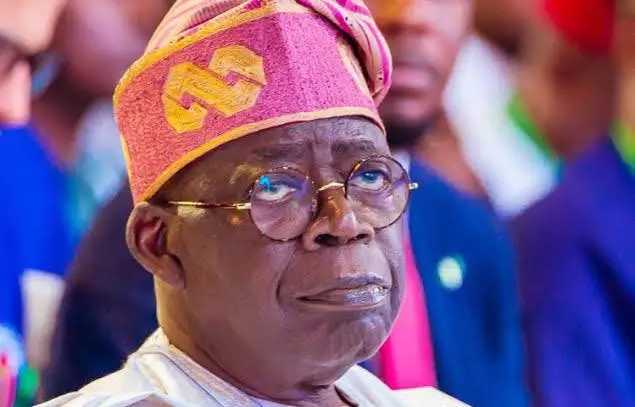
President Bola Ahmed Tinubu’s political network has continued to expand ahead of the 2027 presidential election, with governors, senators, House of Representatives members, businessmen and former political office holders being aligned with his re-election bid. Influential politicians across Nigeria’s 36 states have been associated with the President’s political structure, either through direct endorsement, party alignment or active participation in the ruling All Progressives Congress.
Governors and State Power Behind Tinubu
The strongest pillar of President Tinubu’s 2027 political structure is being provided by governors and influential state-level politicians. In Abia State, Senator Orji Uzor Kalu, a former governor and businessman, has remained one of the prominent supporters of Tinubu. Uche Ogah, a businessman and APC chieftain, has also remained active within the party structure.
In Adamawa State, Governor Ahmadu Umaru Fintiri has maintained political relevance in the state, while discussions around Tinubu’s 2027 bid have continued among major political stakeholders. In Akwa Ibom, Governor Umo Eno and Senate President Godswill Akpabio have emerged as important figures in the President’s political network.
In Anambra State, Governor Charles Soludo has publicly declared support for Tinubu’s 2027 re-election bid. In Bauchi, former governors Isa Yuguda and Mohammed Abubakar, alongside Senator Shehu Buba Umar, have been associated with the growing support for the President.
Bayelsa has influential figures such as Governor Douye Diri and former senator and businessman Ben Murray-Bruce. In Benue, Governor Hyacinth Alia has remained an important political figure in the state. Borno has produced some of Tinubu’s strongest allies, including Governor Babagana Zulum and Vice-President Kashim Shettima, who previously served as governor.
In Cross River, Governor Bassey Otu has remained an important APC figure. In Delta, Governor Sheriff Oborevwori has developed a political relationship with the Tinubu administration. Ebonyi Governor Francis Nwifuru and Edo Governor Monday Okpebholo have also remained within the President’s broader political camp.
Ekiti Governor Biodun Oyebanji, Enugu Governor Peter Mbah and Gombe Governor Inuwa Yahaya are also among the influential governors whose political activities will be significant to the 2027 contest.
In Imo State, Governor Hope Uzodinma has remained one of the President’s strongest political allies in the South-East and has also served as chairman of the Progressive Governors’ Forum. Jigawa Governor Umar Namadi, Kaduna Governor Uba Sani and Katsina Governor Dikko Umar Radda have strengthened the APC structure across their respective states.
In Kano, Deputy Senate President Barau Jibrin remains a major political figure, while Governor Abba Kabir Yusuf has maintained his own political influence in the state. Kebbi Governor Nasir Idris, Kogi Governor Ahmed Usman Ododo and former Kogi Governor Yahaya Bello are also important figures in the northern political structure.
Kwara Governor AbdulRahman AbdulRazaq has remained an influential APC governor, while Lagos Governor Babajide Sanwo-Olu has continued to provide significant political support from the South-West. Former Lagos Governor Akinwunmi Ambode also remains an influential figure within the state’s political landscape.
Nasarawa Governor Abdullahi Sule, Niger Governor Mohammed Umar Bago and Ogun Governor Dapo Abiodun are among the governors helping to sustain the APC’s influence in their respective states. Ondo Governor Lucky Aiyedatiwa has also remained an important APC figure.
Osun presents a different political picture. Governor Ademola Adeleke belongs to the opposition Peoples Democratic Party but has publicly expressed support for Tinubu’s 2027 presidential ambition. Oyo also remains politically significant, with former minister and APC figure Adebayo Adelabu among the notable personalities linked to the President’s political network.
In Plateau State, Governor Caleb Mutfwang has remained politically influential, while Rivers State has become particularly important because of the political influence of former governor and FCT Minister Nyesom Wike. Governor Siminalayi Fubara has also declared support for Tinubu.
In Sokoto, Governor Ahmad Aliyu remains an influential APC figure. Taraba Governor Agbu Kefas has also become part of the wider political conversation around Tinubu’s 2027 ambition. Yobe Governor Mai Mala Buni and Zamfara Governor Dauda Lawal remain among the major political figures shaping the northern political landscape.
Senators and National Assembly Allies
At the federal legislative level, support for Tinubu has been particularly visible among senior lawmakers. Senate President Godswill Akpabio has emerged as one of the President’s most prominent political allies, while Deputy Senate President Barau Jibrin has remained an important figure in the North-West political structure.
Senator Orji Uzor Kalu of Abia North has also repeatedly defended the President and promoted his 2027 prospects. Other APC senators and members of the House of Representatives are expected to play significant roles in mobilising support across their constituencies.
Speaker of the House of Representatives Abbas Tajudeen and Deputy Speaker Benjamin Kalu are also among the senior National Assembly figures associated with the administration. Their positions place them at the centre of legislative and political mobilisation ahead of 2027.
Ministers, Former Governors and Political Strategists
A significant part of Tinubu’s political network is being formed by former governors and former political office holders who remain active in national politics.
Nyesom Wike, former Rivers State governor and current FCT Minister, has remained one of the most politically influential figures around the Presidency. Former Kano Governor Abdullahi Ganduje, former Kaduna Governor Nasir El-Rufai and former Osun Governor Gboyega Oyetola are also among the prominent former governors who remain active in national politics.
Other influential figures include Secretary to the Government of the Federation George Akume, National Security Adviser Nuhu Ribadu and Minister of Aviation Festus Keyamo. Their roles in government and national political affairs have made them important components of the administration’s wider political structure.
Businessmen and Influential Political Associates
The President’s political network also includes businessmen who have remained active in public affairs and political discussions.
Orji Uzor Kalu represents one of the clearest examples, having combined business, executive and legislative experience with active participation in APC politics. Former senator Ben Murray-Bruce, a businessman and media entrepreneur from Bayelsa State, has also expressed support for the Tinubu administration.
Other prominent businessmen, including Aliko Dangote and Abdul Samad Rabiu, remain influential within Nigeria’s economic environment. However, their economic relationship with the government should not automatically be interpreted as a formal political endorsement of Tinubu’s 2027 campaign.
The 2027 Political Map Taking Shape
The emerging political structure suggests that Tinubu’s re-election campaign is likely to be built around a combination of federal power, state governors, National Assembly members, former office holders, businessmen and cross-party political relationships.
The President’s network is particularly significant because support has increasingly been expressed beyond the formal APC structure. Politicians such as Charles Soludo in Anambra, Ademola Adeleke in Osun and Siminalayi Fubara in Rivers have demonstrated that Tinubu’s political relationships are not restricted to members of the ruling party.
With the 2027 election approaching, these alliances are expected to remain fluid. More endorsements, defections and political negotiations could still reshape the political landscape before the election. For now, President Tinubu has established a broad network of political associates across Nigeria, giving his 2027 re-election project a substantial national foundation.
Leave a Reply