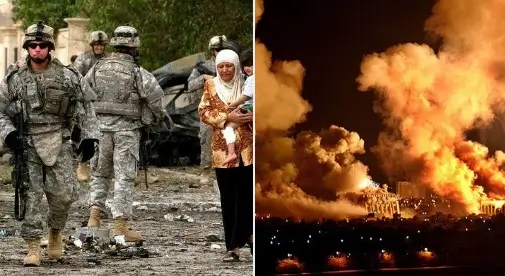
The United States military has reportedly developed three separate airstrike strategies for potential intervention in Nigeria, following President Donald Trump’s directive to prepare military options in response to escalating religious violence. The move comes days after Washington designated Nigeria a Country of Particular Concern (CPC) over the killing of more than 3,000 Christians in 2025 by Islamist militant groups operating across several northern and Middle Belt states.
According to U.S. defense sources, the Pentagon’s contingency plans include full-scale bombing missions modeled after prior operations in Iraq and Afghanistan, precision drone strikes targeting militant hideouts, and joint counterterrorism operations with Nigerian security forces. Each plan is said to vary in intensity, scope, and risk, depending on the level of cooperation from Abuja and the progress of diplomatic engagements already underway between both governments.
The development underscores Washington’s growing frustration over Nigeria’s handling of religiously motivated violence, particularly in Plateau, Benue, and Kaduna States. American intelligence officials believe that extremist networks have expanded their reach in recent months, posing a threat not only to local populations but also to regional stability across West Africa. The airstrike plans, therefore, are viewed as both a warning and a potential last resort to deter further massacres.
In Abuja, Nigerian authorities have not officially confirmed discussions on joint operations, though top government officials, including the Ministers of Defence and Information, have reiterated that Nigeria remains capable of addressing its security challenges without foreign intervention. They cautioned that any unauthorized military action would constitute a breach of sovereignty and could strain bilateral relations between the two countries.
While Washington maintains that the objective of its strategy is to prevent genocide and restore peace, analysts warn that military involvement could complicate Nigeria’s internal dynamics and fuel anti-Western sentiment.
Leave a Reply