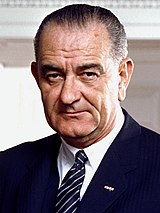
Lyndon B. Johnson was one of the most influential leaders in modern American history. Lyndon B. Johnson served as a US President during a period of social reform, civil rights progress and international conflict. His leadership in the United States of America was marked by ambitious domestic policies and difficult foreign policy decisions. His family background, education, political journey and achievements have continued to be studied by historians and political observers. The years spent as a US President left a lasting impact on the United States of America and shaped the direction of national development.
Lyndon B. Johnson Family, Parents and Education
Lyndon B. Johnson was born on 27 August 1908 near Stonewall, Texas, in the United States of America. His parents were Samuel Ealy Johnson Jr., a farmer and politician, and Rebekah Baines Johnson, a well-educated teacher who encouraged learning and public service.
His early education was completed in local schools before he attended Southwest Texas State Teachers College, now known as Texas State University. His studies prepared him for a career in teaching before politics became his primary focus.
He married Claudia Alta “Lady Bird” Taylor in 1934. Their marriage became one of the most recognised political partnerships in American history. They had two daughters:
- Lynda Bird Johnson Robb
- Luci Baines Johnson
Strong family values were often reflected throughout his public life while serving as a US President.
Political Career
Before becoming a US President, Lyndon B. Johnson built an impressive political career through years of public service.
His political journey included:
- Member of the United States House of Representatives (1937–1949)
- United States Senator from Texas (1949–1961)
- Senate Majority Leader (1955–1961)
- Vice President under John F. Kennedy (1961–1963)
- Became President after the assassination of President Kennedy in November 1963
- Elected to a full presidential term in 1964
His experience in Congress provided him with exceptional legislative skills. Many important laws were successfully negotiated during his years in office, strengthening his reputation across the United States of America.
Achievement in Office
Several landmark achievements were recorded during his presidency. Many of his domestic programmes became known as the Great Society, which aimed to reduce poverty and improve living standards.
Major accomplishments included:
- The Civil Rights Act of 1964 was signed to prohibit discrimination.
- The Voting Rights Act of 1965 expanded voting protections.
- Medicare and Medicaid were established to improve healthcare access.
- Education funding was significantly increased.
- Anti-poverty programmes were introduced across the country.
- Consumer and environmental protections were strengthened.
These reforms transformed public policy and improved opportunities for millions of citizens. The office of the US President was used to promote broad social and economic change throughout the United States of America.
Challenges Faced in Office
Despite remarkable domestic achievements, serious challenges affected the administration.
Major difficulties included:
- Escalation of the Vietnam War.
- Growing public protests against military involvement.
- Rising government spending.
- Political divisions over foreign policy.
- Civil unrest in several American cities.
The Vietnam War became the greatest challenge of the presidency. Public confidence gradually declined as casualties increased and opposition expanded. Considerable pressure was placed on the administration, and the popularity of the US President was significantly affected.
In 1968, he announced that he would not seek another presidential term, allowing the nation to focus on finding new leadership during a period of national uncertainty.
Lasting Legacy and Historical Importance
The legacy of Lyndon B. Johnson remains significant because of the balance between historic domestic reform and controversial foreign policy decisions. His civil rights legislation permanently changed the legal and social landscape, while his healthcare and education initiatives continue to benefit millions of Americans.
Although the Vietnam War remains closely associated with his presidency, his domestic achievements are widely recognised as some of the most important reforms of the twentieth century. His leadership demonstrated how determined political action could reshape national policy while also revealing the enormous pressures carried by every US President.
The life and career of Lyndon B. Johnson continue to be examined because they illustrate the opportunities and responsibilities that accompany national leadership. His service strengthened democratic institutions, expanded civil rights and influenced generations of policymakers. His profile remains an essential part of the political history of the United States of America, while the role of the US President continues to be evaluated through the successes and challenges experienced during his administration.
Leave a Reply