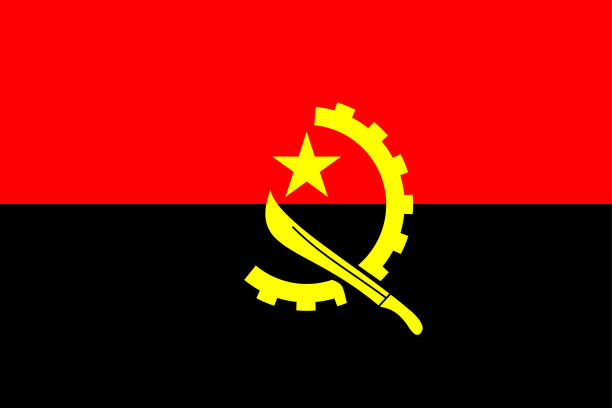
Angola, a Southern African nation, gained independence from Portugal in 1975 but endured a civil war until 2002. It is a presidential republic with the President holding major executive powers. The economy relies heavily on oil and diamonds, though poverty and diversification remain challenges. Politically, the MPLA has ruled since independence, with UNITA as the main opposition.
Angola History
Angola, located in Southern Africa, was colonized by Portugal in the late 16th century and remained under Portuguese rule for centuries. After a long struggle, Angola gained independence on November 11, 1975. However, the nation immediately plunged into a devastating civil war that lasted until 2002, involving rival liberation movements and Cold War powers.
Form of Government
Angola is a unitary presidential republic. The President serves as both head of state and head of government, holding executive authority, while the National Assembly exercises legislative power.
Economy
Angola has one of Africa’s largest oil reserves, making petroleum its economic backbone. Oil exports account for the majority of government revenue and foreign exchange earnings. The country also has vast reserves of diamonds, natural gas, and fertile agricultural land. Despite its resource wealth, Angola faces challenges such as poverty, unemployment, and economic diversification.
Politics
The ruling party, MPLA (Popular Movement for the Liberation of Angola), has dominated Angolan politics since independence. The main opposition is UNITA (National Union for the Total Independence of Angola). Politics is characterized by strong presidential influence, gradual democratic reforms, and efforts to rebuild institutions after years of conflict.
Leave a Reply