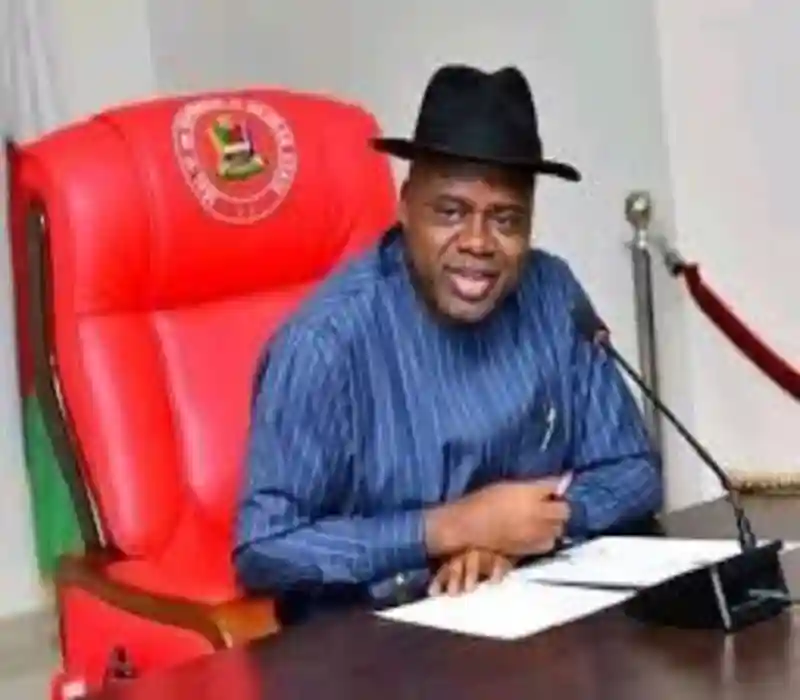
Governor Douye Diri of Bayelsa State has banned ethnic and tribal traders’ associations from operating in the state’s markets. This decision has created a wave of reactions, especially from the Igbo community, who have found themselves at the heart of the ban. The move is part of broader efforts by the Bayelsa State government to maintain peace and order in its markets, as well as to address growing concerns about ethnic divisions and the politicization of trade within the region.
The Ban: What’s the Rationale?Bayelsa’s decision to prohibit traders from organizing along ethnic or tribal lines, specifically targeting the Igbo Market Traders Association, has sparked intense debate. The government’s official position is that ethnic-based associations create divisions and tensions within markets, which could ultimately undermine peace and unity in the state. The policy is framed as a move to foster inclusivity and unity among the various ethnic groups in the state.
The state government has gone as far as directing the Commissioner of Police to enforce this order, with instructions to arrest anyone who continues to parade themselves as members of such associations. This directive effectively targets not only traders who belong to the Igbo ethnic group but any group that continues to align their market activities along ethnic or tribal lines.
The announcement has been met with strong opposition, especially from the Igbo community. Many have expressed concerns that the ban unfairly targets a specific group, possibly leading to the marginalization of the Igbos, who have a significant presence in Bayelsa and other parts of the Niger Delta.
The Igbo traders, who have long been involved in commerce across Nigeria, argue that their associations are necessary for fostering solidarity and ensuring that they have a voice in the local economic landscape.Critics of the ban also argue that the decision is reactionary and that it overlooks the complex dynamics of Nigeria’s multi-ethnic society. They suggest that Bayelsa’s move might be a response to growing tension between ethnic groups, particularly in the wake of increased complaints from the Yoruba community in various parts of Nigeria about the rise in ethnic-based organizations. The ban could, therefore, be viewed as a protective measure by Governor Diri’s administration to prevent similar tensions from escalating in Bayelsa.
To fully understand the gravity of Bayelsa’s decision, one must look at the broader context of Nigeria’s ethnic and political landscape. Over recent years, there has been increasing concern over the role of ethnic groups in public and economic life, especially in the areas of trade and market politics. Ethnic associations, such as the Igbo and Yoruba traders’ groups, have grown in influence, leading to complaints from other regions who perceive them as divisive and capable of fostering disharmony. Governor Diri’s move may have been influenced by these tensions, particularly the concerns voiced by the Yoruba community.
The Yoruba traders’ associations, for example, have been vocal in various parts of Nigeria, expressing concerns over the dominance of other ethnic groups in certain markets and the control of economic activities by ethnic factions. Given the sensitive nature of Nigeria’s diverse ethnic makeup, Bayelsa’s action might be seen as a preventative measure to avoid the kind of ethnic rifts that could spill over into violence or political instability.
A notable commentary regarding the ban comes from observers who argue that the Igbos themselves, through their actions and statements, have sometimes created an atmosphere of distrust between themselves and other ethnic groups in Nigeria. According to some, certain behaviours and utterances from some members of the Igbo community have led to the perception that they are pushing for more influence or control, especially in regions where they have substantial economic power. This has, in turn, caused unease in other parts of the country, leading to heightened scrutiny and even hostility towards Igbo groups in various regions.
By banning ethnic-based market organizations, Bayelsa may be responding to this perception, attempting to protect the state from potential backlash and ensuring that no one group dominates the local economy or creates divisions. In this view, the ban is seen as a reaction to the need for more conservative approaches to market organization and inter-ethnic relations in the state.
Economic Implications of the Ban
Beyond the political and ethnic implications, the ban could also have significant economic consequences. The Igbo traders’ association has long been a pillar of commerce in Bayelsa, particularly in the city of Yenagoa, where many Igbo traders operate small businesses. If the ban is enforced and the Igbo community is no longer able to organize along these lines, it could disrupt the local business environment. The tight-knit nature of these ethnic groups often helps them secure favourable deals, protect their interests, and create networks that facilitate economic activity. Without these associations, many of these traders might face greater challenges in securing trade deals or influencing market regulations.
The policy also raises questions about the future of other ethnic groups in Bayelsa. If Igbos are prohibited from forming such associations, it is possible that other ethnic groups in the state—such as the Urhobos, Ijaws, and others—could face similar restrictions in the future. This could lead to a more fragmented, less cooperative economic environment, where ethnic-based divisions become more pronounced in other sectors.
While Bayelsa’s ban on ethnic traders’ associations is undoubtedly a bold move, it also highlights the complex balancing act that the state government must perform in managing ethnic diversity while fostering economic growth and social harmony. As Nigeria continues to grapple with issues of ethnic identity, economic inequality, and political representation, Bayelsa’s decision could serve as a bellwether for how other states may approach the question of ethnic associations in the future.
Governor Diri’s administration must carefully consider the long-term effects of this ban, not only on the Igbo traders but also on the broader social fabric of Bayelsa. The challenge lies in finding a solution that allows for the fair participation of all ethnic groups in the market economy without exacerbating tensions or undermining the unity that the state seeks to promote.
Bayelsa’s ban on ethnic traders’ associations represents a significant intervention in the complex dynamics of Nigeria’s multi-ethnic marketplace. While Governor Douye Diri’s decision is likely to resonate differently among the various ethnic groups in the state, it reflects the growing concern over ethnic divisions and the need for more inclusive, less politically charged market structures. Whether this move will lead to greater harmony or further divisions remains to be seen, but it undeniably raises important questions about the future of trade, ethnicity, and unity in Nigeria.
Leave a Reply