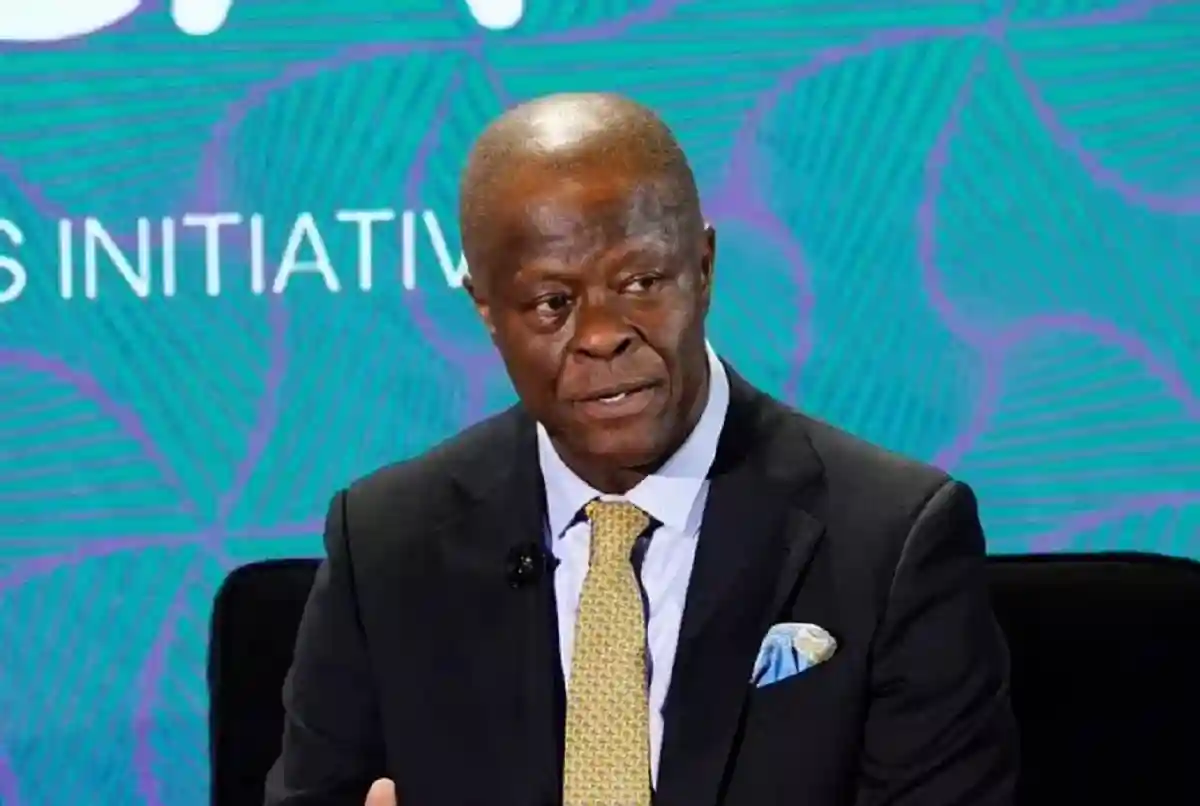
The Nigerian government has achieved significant financial savings following the implementation of key economic reforms under President Bola Ahmed Tinubu’s administration.
According to Wale Edun, the Minister of Finance and Coordinating Minister of the Economy, the Federal Government has saved more than $20 billion from the removal of fuel subsidies and the floating of the naira, which were introduced in 2023.
In a statement made recently, Edun highlighted that these bold policy measures have been instrumental in reducing the government’s fiscal burden, while also setting the stage for a more sustainable and robust economic recovery.
The decision to remove the fuel subsidy, a long-standing fiscal challenge, has faced both praise and criticism. However, the government remains steadfast in its belief that the subsidy was unsustainable and detrimental to the country’s economic growth.
The Impact of Subsidy Removal
One of the most significant steps taken by the Tinubu administration was the removal of the fuel subsidy, which had been a contentious issue for decades. Prior to its removal, the Nigerian government was spending billions of dollars annually to subsidize fuel prices, a practice that drained national resources and led to inefficiencies in the economy.
Edun pointed out that the subsidy removal has directly contributed to substantial savings, with the government now able to redirect these funds into critical infrastructure projects, social programs, and other economic initiatives that can drive long-term growth.
According to Edun, the savings from the subsidy removal have helped stabilize the country’s finances, creating a more sustainable budgetary framework moving forward.
The Naira Float Policy: A Step Toward Market-Driven Exchange Rates
In addition to the subsidy removal, the Nigerian government also implemented the naira float policy, allowing the naira to be determined by market forces rather than being pegged at an artificial rate. This policy has been part of broader efforts to unify the multiple exchange rates that previously existed, which often led to distortions in the economy.
The naira float policy has faced its own set of challenges, including initial currency depreciation, but it has been hailed as a necessary step toward aligning the Nigerian currency with global market realities.
Edun explained that this move has brought greater transparency to the foreign exchange market, leading to improved investor confidence and foreign direct investment.
By adopting a market-driven exchange rate system, Nigeria has been able to attract more foreign investment and better manage the demand for foreign currencies. As the naira adjusts to its new market-driven value, the country is expected to see a stabilization of its foreign exchange reserves in the long term, which will bolster Nigeria’s economic resilience.
A Path to Economic Stability
Edun emphasized that the government’s commitment to economic reforms is unwavering, with the $20 billion saved from the subsidy removal and the naira float policy serving as a testament to the effectiveness of these initiatives. While the immediate effects of these policies have been challenging, the long-term benefits are expected to outweigh the short-term costs.
With these savings, the Nigerian government is now better positioned to focus on infrastructure development, poverty reduction programs, and other economic policies that can stimulate growth and create job opportunities. The finance minister reiterated that these reforms are part of a broader strategy to diversify the economy, reduce dependence on oil revenues, and improve the welfare of Nigerians.
The $20 billion in savings from the removal of fuel subsidies and the floating of the naira marks a pivotal moment in Nigeria’s economic history. While these reforms have sparked debate, they are critical steps toward transforming the country’s financial landscape and ensuring long-term economic sustainability.
As the Tinubu administration continues to implement its economic policies, all eyes will be on how these reforms translate into tangible benefits for the average Nigerian. With a clear focus on growth, transparency, and fiscal discipline, Nigeria’s economy may well be on the path to a more prosperous future.
Wale Edun’s statements underscore the importance of these measures in positioning Nigeria as a stronger and more resilient economy in the years to come. #Politics
Leave a Reply