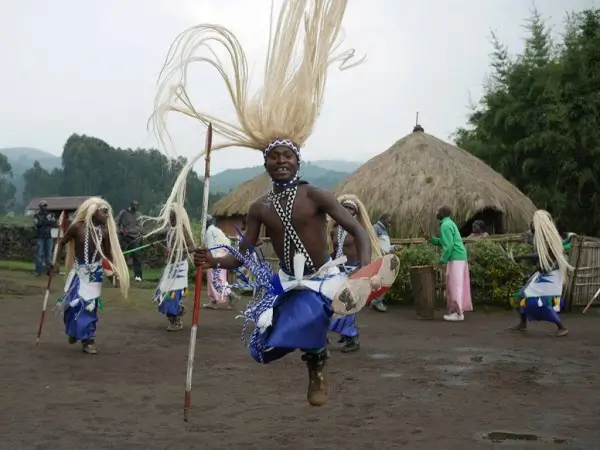
Culture is the backbone of any society. It encompasses the values, beliefs, customs, languages, arts, and traditions that define the identity of a people. In Nigeria, a country with over 250 ethnic groups and more than 500 languages – culture is not only rich and diverse but also an essential part of the national heritage. From the masquerades of the Igbo and the Ifa divination system of the Yoruba to the elaborate festivals of the Hausa-Fulani, Nigeria’s cultural tapestry is vast and complex.
However, despite this richness, Nigeria faces numerous challenges in preserving its cultural heritage in the face of modernization, globalization, and internal socio-political pressures. This essay examines the multifaceted challenges of cultural preservation in Nigeria and explores how these obstacles threaten the continuity of traditional values and identities.
I. Influence of Westernization and Globalization
One of the most significant threats to cultural preservation in Nigeria is the overwhelming influence of Western culture, which has been accelerated by globalization, mass media, and the internet.
1. Cultural Homogenization
Globalization has introduced new lifestyles, languages, and social norms that increasingly overshadow traditional Nigerian practices. Western music, fashion, and food dominate urban spaces, often at the expense of indigenous expressions. As a result, young Nigerians are more likely to relate to Western pop culture than to their ethnic heritage. This cultural homogenization leads to a gradual erosion of indigenous identity.
2. Language Decline
Language is a core element of culture. In Nigeria, many indigenous languages are on the brink of extinction due to the dominance of English, which is the official language and the medium of instruction in most schools. Children are often raised speaking English at home and in school, leading to a decline in fluency in their mother tongues. Once a language dies, a significant part of the culture – oral traditions, proverbs, songs, and folklore – is lost with it.
II. Urbanization and Migration
Nigeria’s rapid urbanization has also played a role in the weakening of cultural traditions, particularly in cities where ethnic identities tend to blend or fade.
1. Disconnection from Rural Traditions
Urban areas prioritize modern lifestyles over traditional customs. As people migrate from rural communities to cities in search of education and employment, they often abandon or dilute their cultural practices. Festivals, rites of passage, and indigenous crafts that were once central to community life become irrelevant in urban settings.
2. Inter-Ethnic Integration
While cultural integration can be positive, it sometimes results in the loss of distinct cultural practices. Mixed marriages and cosmopolitan living encourage people to adopt more neutral or dominant cultures, leading to the marginalization of minority ethnic identities.
III. Neglect and Underfunding of Cultural Institutions
Government neglect is another significant barrier to cultural preservation in Nigeria. Museums, cultural centers, and heritage sites are often underfunded, poorly managed, or ignored altogether.
1. Lack of Investment
Many cultural sites and artifacts are in a state of decay due to lack of maintenance. Traditional art forms, such as pottery, textile weaving, and sculpture, receive little institutional support or promotion. Without adequate investment, these cultural expressions cannot thrive or attract the younger generation.
2. Limited Documentation and Archiving
In Nigeria, much of the cultural heritage is transmitted orally, which makes it vulnerable to being forgotten. The lack of systematic documentation and archiving of traditional knowledge, languages, and customs makes it difficult to preserve them for future generations. There is an urgent need for comprehensive cultural preservation policies and initiatives, including digital archiving and educational programs.
IV. Religious and Cultural Tensions
Religion has historically coexisted with culture in Nigeria, but in recent times, there have been increasing tensions between religious beliefs and traditional cultural practices.
1. Religious Intolerance
Some religious groups view traditional practices as pagan or superstitious and actively discourage their followers from participating in them. This has led to the abandonment of cultural festivals, shrines, and rituals in certain communities. For example, masquerade performances and ancestral worship are condemned by some Christian and Islamic sects, despite their historical and cultural significance.
2. Cultural Alienation
As people convert to new religious ideologies, they may feel alienated from their cultural roots. In some cases, they are taught to renounce their traditional names, attire, and customs, which further accelerates cultural decline.
V. Political Instability and Insecurity
Nigeria’s political and security challenges also impact cultural preservation, particularly in regions affected by conflict.
1. Displacement of Communities
Ethnic conflicts, terrorism, and communal clashes have displaced thousands of Nigerians, separating people from their cultural environments. Internally displaced persons (IDPs) often lose access to cultural landmarks and traditions, and survival takes precedence over cultural continuity.
2. Destruction of Cultural Sites
In conflict zones, cultural artifacts and heritage sites are at risk of destruction. In the North-East, for example, insurgent groups like Boko Haram have attacked cultural and educational institutions, considering them un-Islamic. Such acts not only destroy physical symbols of heritage but also attempt to erase collective memory.
VI. Generational Gaps and Youth Disinterest
Another major challenge is the lack of cultural transmission between generations, resulting in a youth population that is increasingly disconnected from traditional practices.
1. Educational System Neglect
Nigeria’s education system places little emphasis on indigenous knowledge. Cultural studies are often absent from the curriculum, and few schools teach local languages or history with depth. Without formal education in their heritage, young Nigerians are unlikely to appreciate or continue cultural traditions.
2. Modernization and Peer Influence
With the proliferation of smartphones, social media, and global entertainment, youth culture in Nigeria is increasingly shaped by external influences. Many young people view traditional practices as outdated or irrelevant, preferring modern alternatives that are perceived as more progressive or fashionable.
VII. Loss of Cultural Artifacts and Colonial Legacy
Nigeria continues to suffer from the historical theft and exportation of cultural artifacts during the colonial era, many of which are still housed in European museums.
1. Cultural Plunder
Artifacts such as the Benin Bronzes were looted during the British invasion of the Benin Kingdom in 1897. These artworks, which hold deep cultural and spiritual significance, remain in foreign institutions. The absence of these artifacts deprives Nigerians of vital aspects of their historical identity.
2. Challenges of Repatriation
Although there have been calls for the return of stolen artifacts, legal and diplomatic barriers have slowed the process. Even when returned, Nigeria must develop infrastructure and policies to house and protect these items adequately.
The preservation of culture in Nigeria faces numerous and interconnected challenges – from globalization and urbanization to political instability and generational shifts. The erosion of language, traditions, and identity is not just a cultural loss but a threat to national unity and continuity. However, all is not lost. Solutions lie in a multifaceted approach: integrating cultural education into school curricula, supporting local artists and custodians of tradition, investing in cultural infrastructure, encouraging youth participation, and enforcing policies that protect heritage.
Furthermore, modern technology and digital platforms can be powerful tools for cultural preservation if used intentionally. Documenting festivals, languages, and oral traditions through videos, podcasts, and online archives can help ensure that Nigeria’s diverse cultures are preserved and shared globally.
Leave a Reply