
The Delta State Government has announced bold new plans to transform the transport sector through the introduction of standard bus terminals in key cities. This initiative, which will commence in Asaba, Warri, and Sapele, is part of a larger agenda to bring order, safety, and efficiency to the movement of people and goods within the state. By adopting global best practices, the state seeks to deliver a modern transportation system that can meet the needs of a growing urban population while boosting economic activity.
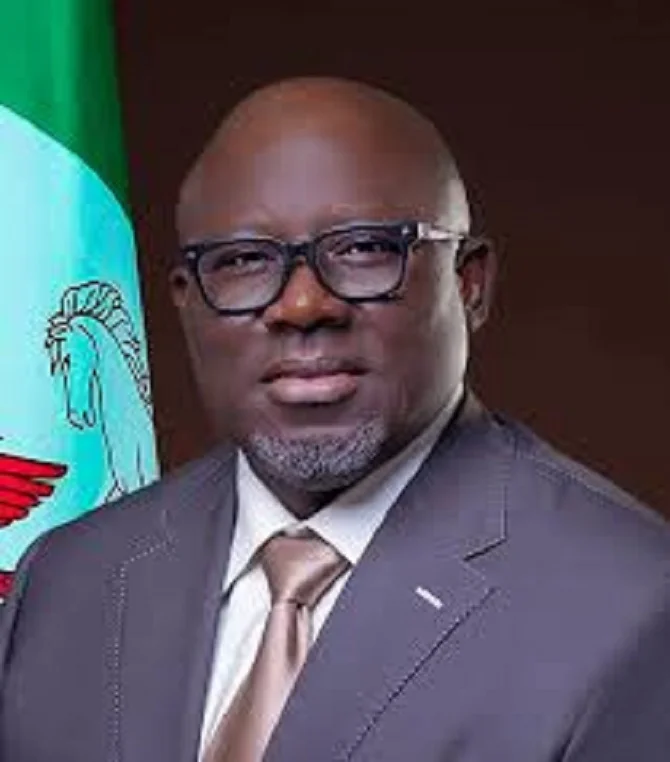
Governor Sheriff Oborevwori, who has made infrastructure and service delivery key pillars of his administration, emphasized that the reforms are designed not just to improve convenience for commuters but also to create a more sustainable urban environment. According to him, transportation plays a central role in everyday life, influencing productivity, quality of life, and economic growth. By modernizing the sector, Delta State is positioning itself as a forward-thinking hub in Nigeria’s South-South region.
At the heart of the new initiative is the construction of modern bus terminals. These facilities will act as organized transit hubs to streamline passenger movement, reduce road congestion, and enhance public safety. For too long, the state’s transport system has relied on makeshift parks and roadside boarding points, which often create traffic bottlenecks and expose passengers to unsafe conditions. The new model promises to eliminate these challenges by providing structured entry and exit points for buses, with dedicated parking and traffic management systems.
Each terminal will be equipped with modern amenities designed to improve the passenger experience. Waiting areas with comfortable seating, ticketing halls with digital payment systems, and real-time information displays will ensure commuters have access to reliable, convenient, and user-friendly services. In addition, safety measures such as surveillance cameras, lighting, and regulated boarding procedures will be introduced to protect both passengers and operators.
Beyond passenger comfort, the project is expected to deliver significant economic benefits. The construction and operation of the terminals will create direct jobs in building, facility management, and transportation services, while also providing indirect opportunities for small businesses such as food vendors, shops, and service providers located around the hubs. By reducing traffic congestion and improving travel efficiency, the reforms will also enhance productivity across the state’s urban centers, making them more attractive to investors and residents alike.
The modernization of Delta’s transport system is aligned with global best practices observed in major cities across the world. In many metropolitan regions, centralized bus terminals serve as the backbone of organized urban mobility, integrating multiple forms of transport and providing commuters with seamless connections. By taking inspiration from such models, Delta State aims to deliver a transport system that is not only functional but also forward-looking, environmentally friendly, and inclusive.
Governor Oborevwori has stressed that this reform is a key step in fulfilling his “MORE Agenda,” which emphasizes meaningful development across sectors, opportunities for all citizens, realistic reforms, and enhanced security. According to him, a well-structured transport system is essential to delivering on these promises, as it directly affects economic growth, public safety, and the welfare of residents.
The first phase of the project will focus on Asaba, the state capital, as well as Warri and Sapele, two of the busiest commercial centers. Once completed, these pilot terminals will serve as a model for future expansion to other parts of the state. The government has also indicated that it will work closely with transport unions, operators, and community stakeholders to ensure smooth implementation and broad public acceptance of the reforms.
Ultimately, the restructuring of Delta State’s transport system represents more than just a physical infrastructure upgrade. It is a statement of intent by the government to align with international standards, improve the quality of urban life, and create a modern, safe, and efficient system for all. By investing in these reforms today, Delta State is laying the foundation for a stronger economy, better mobility, and a more sustainable future.
Leave a Reply