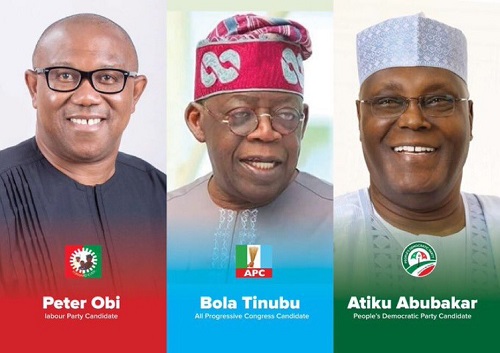
The 2027 Presidential Candidates are already attracting significant attention across Nigeria as political discussions gradually shift towards the next general election cycle. Although political parties have not officially concluded their nomination processes, several prominent figures are widely regarded as potential contenders based on their political influence, experience, and public visibility. Among the names frequently mentioned are President Bola Tinubu, former Vice President Atiku Abubakar, former Anambra State Governor Peter Obi, activist and politician Omoyele Sowore, and several other emerging political figures. This article examines the backgrounds, political parties, states of origin, and years of political involvement associated with some of the leading personalities expected to shape the contest for Nigeria’s highest office.
Political Landscape Ahead of 2027
Nigeria’s political environment remains dynamic as various parties prepare for future electoral contests. The country’s democratic system has continued to evolve since the return to civilian rule in 1999, creating opportunities for established politicians and new entrants alike.
The race among the 2027 Presidential Candidates is expected to be influenced by several factors, including economic performance, security concerns, youth participation, infrastructure development, and national unity. Political alliances, defections, and coalition-building efforts may also play important roles in determining the eventual contenders.
Nigeria’s major political parties, including the All Progressives Congress (APC), Peoples Democratic Party (PDP), Labour Party (LP), and African Action Congress (AAC), are likely to be central players in the political calculations leading up to the election.
2027 Presidential Candidates: Major Contenders and Their Backgrounds
Bola Ahmed Tinubu currently serves as the President of Nigeria and remains one of the most influential figures in contemporary Nigerian politics. He hails from Lagos State and is a member of the All Progressives Congress (APC). Tinubu’s political journey spans more than three decades. He served as a Senator during the Third Republic and later as Governor of Lagos State from 1999 to 2007. His role in building political structures across the country has earned him a reputation as a major political strategist.
Atiku Abubakar, a native of Adamawa State, is another prominent figure often associated with the presidency. A member of the Peoples Democratic Party (PDP), Atiku served as Nigeria’s Vice President between 1999 and 2007. His political involvement dates back to the late 1980s, giving him over three decades of experience in public affairs. He has contested for the presidency multiple times and remains a notable voice in national political discourse.
Peter Obi, from Anambra State, gained widespread popularity during the 2023 presidential election. He is associated with the Labour Party and previously served as Governor of Anambra State from 2006 to 2014. Obi has been active in politics for more than two decades and is widely recognised for his emphasis on prudent management of public resources, education, and economic development.
Omoyele Sowore, a native of Ondo State, is the founder of the African Action Congress (AAC). Known primarily as a journalist, activist, and publisher, Sowore entered mainstream politics in 2019 when he contested for the presidency. His political career spans over a decade, with much of his influence rooted in activism, civil rights advocacy, and calls for governmental reforms.
Political Experience and Leadership Records
One major factor that may influence voters is the political pedigree of the candidates. Experience in governance often serves as a measure through which citizens assess leadership capabilities.
Among the 2027 Presidential Candidates, Bola Tinubu possesses extensive executive and legislative experience. His tenure as Governor of Lagos State is frequently cited as a foundation for his national political influence. Atiku Abubakar similarly brings considerable administrative experience from his years as Vice President and his involvement in economic reform initiatives.
Peter Obi’s record as Governor of Anambra State remains a significant part of his political profile. His supporters often highlight achievements in fiscal management and educational investment. Meanwhile, Omoyele Sowore presents a different leadership model rooted in activism, transparency advocacy, and citizen engagement.
Other personalities may emerge from various political parties as the election approaches. Governors, former ministers, legislators, and business leaders could also seek nominations depending on political developments within their respective parties.
Political Parties and Electoral Strength
Political parties remain critical vehicles for presidential ambition in Nigeria. The APC currently controls the federal government and maintains a substantial presence across many states. This position may provide strategic advantages to any APC candidate.
The PDP continues to be one of the country’s largest opposition parties, with strong structures across the federation. Labour Party supporters are expected to remain active following the party’s increased visibility in recent electoral cycles. The AAC, though smaller in national reach, continues to advocate alternative political ideas and reforms.
The success of the 2027 Presidential Candidates will depend not only on personal popularity but also on the organisational strength, funding capacity, and nationwide acceptance of their respective political parties.
Factors That May Shape the Election
Several issues are likely to dominate political debates as Nigerians evaluate prospective leaders. Economic growth, inflation, employment opportunities, infrastructure development, healthcare, education, and national security are expected to remain key concerns for voters.
Youth participation may also play a significant role. Nigeria’s large youth population continues to demand greater accountability, transparency, and inclusive governance. Social media platforms and digital campaigns are expected to influence political communication more than ever before.
As the election season gradually approaches, the 2027 Presidential Candidates will be closely scrutinised based on their records, policy proposals, leadership qualities, and ability to unite a diverse nation. While the final list of contestants will only emerge after party primaries and official nominations, figures such as Bola Tinubu, Atiku Abubakar, Peter Obi, Omoyele Sowore, and others are already shaping discussions about Nigeria’s political future. The performance of these individuals and their parties in the coming months will significantly influence the direction of the country’s democracy and governance.
Leave a Reply